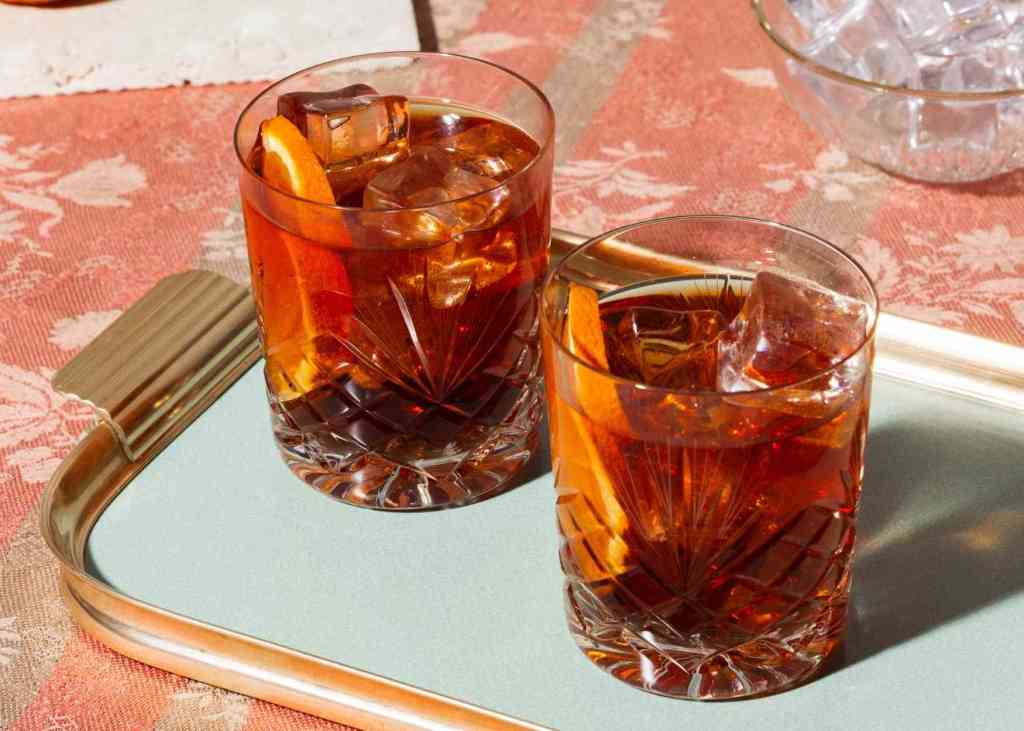
Last week we visited Valencia and stayed the night, so we could attend a taller (workshop) on how to make vermouth. We hope to do a few of these, so by the time we return to Australia we have the know-how to make our own. Many bars here in Spain (especially Barcelona and Madrid) have their own vermouth Vermouth Casero or Casa – house Vermouth often served el grifo – on tap.
The workshop was held at a small delicatessen type shop – Ruka Tienda in Valencia. The workshop was run by Maria from Valsangiacomo Bodega whose brand Vittore Vermouth is local to the Valencia Communidad. Vermut Vittore Naranje is one of my favourites.
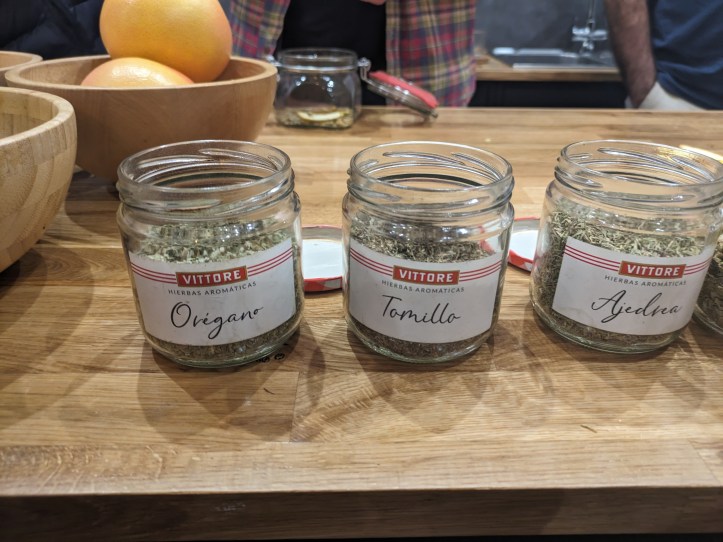
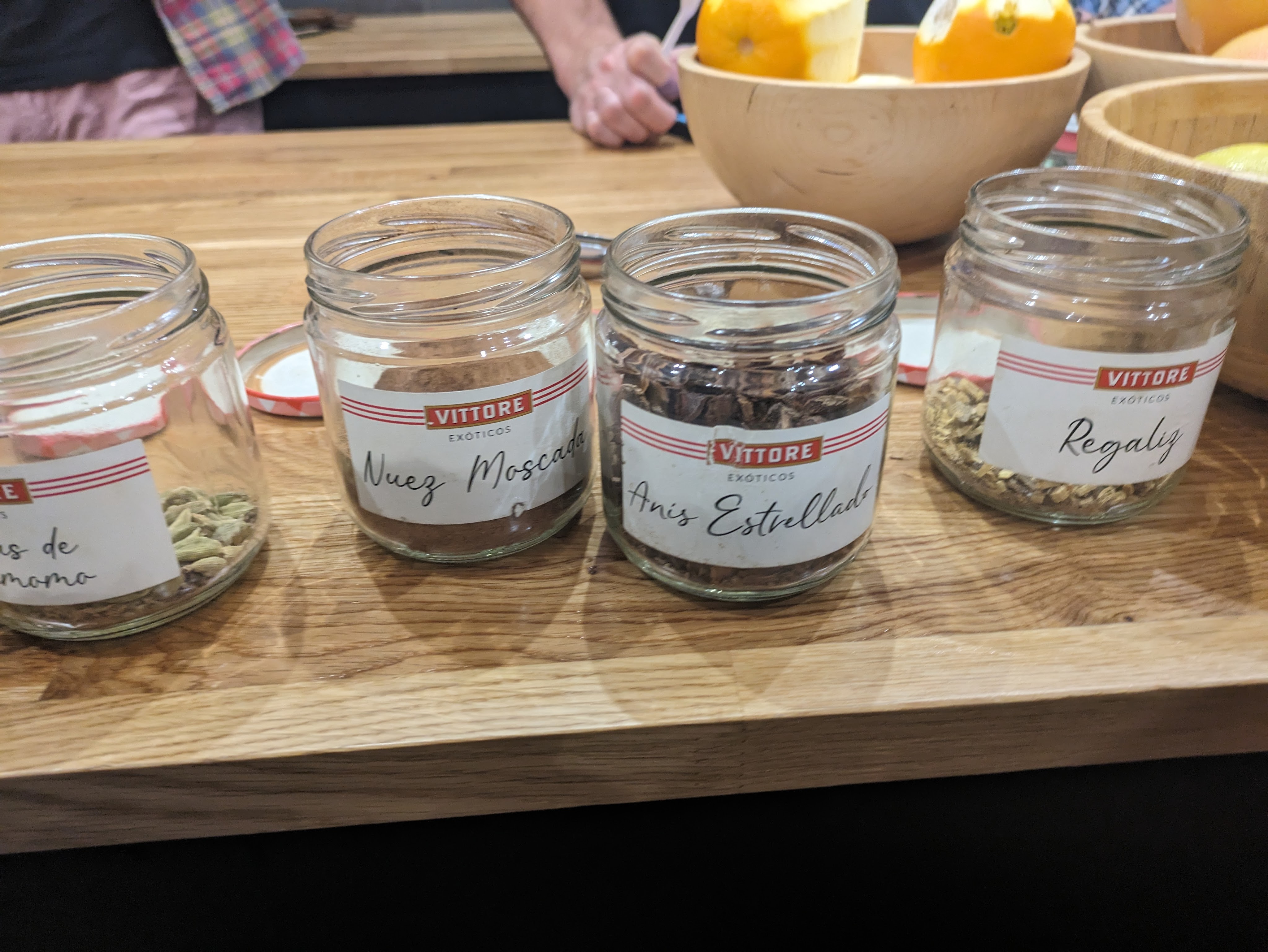
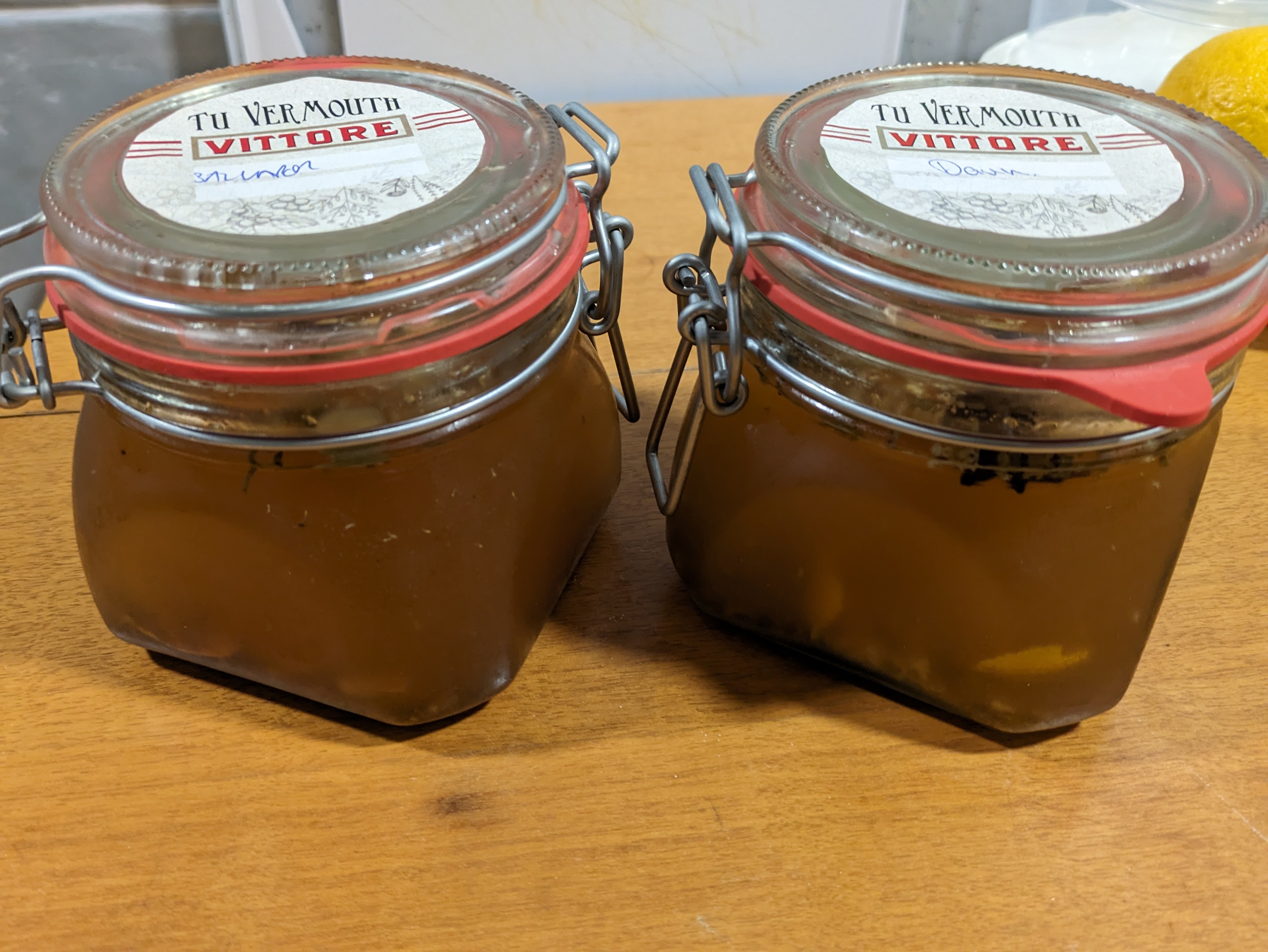
The workshop was very informative as we learned what wine to start with, the sugar that is added and all about the herbs, aromatics etc that go into making Spanish vermouth. The main ingredient in vermouth is wormwood (ajenjo) and the base formula for any drink calling itself vermouth must be 75% wine and wormwood. The plant is so important to this amazing drink that it has ended up with the herb as its name. Wermut in German and from there, vermouth, vermut and so on.
Spanish vermouth is quite different from that found in Italy and France. Here it is served straight (no mixer or cocktail) with just ice and an orange or lemon slice. It is seen as an aperitif, something to drink before lunch. Historically it was a very popular drink in Spain until the 1970s when the trend for this drink diminished. It has become very popular again, especially in Barcelona and Catalunya where it first originated in Spain but can be found in most regions.
On our next visit to Valencia we will take that time to do some “sightseeing”. It’s a beautiful city but we were a bit shell-shocked to be amongst so many tourists again as we have been quite isolated from this. It was very strange to walk the streets hearing so many different English accents and other European languages.
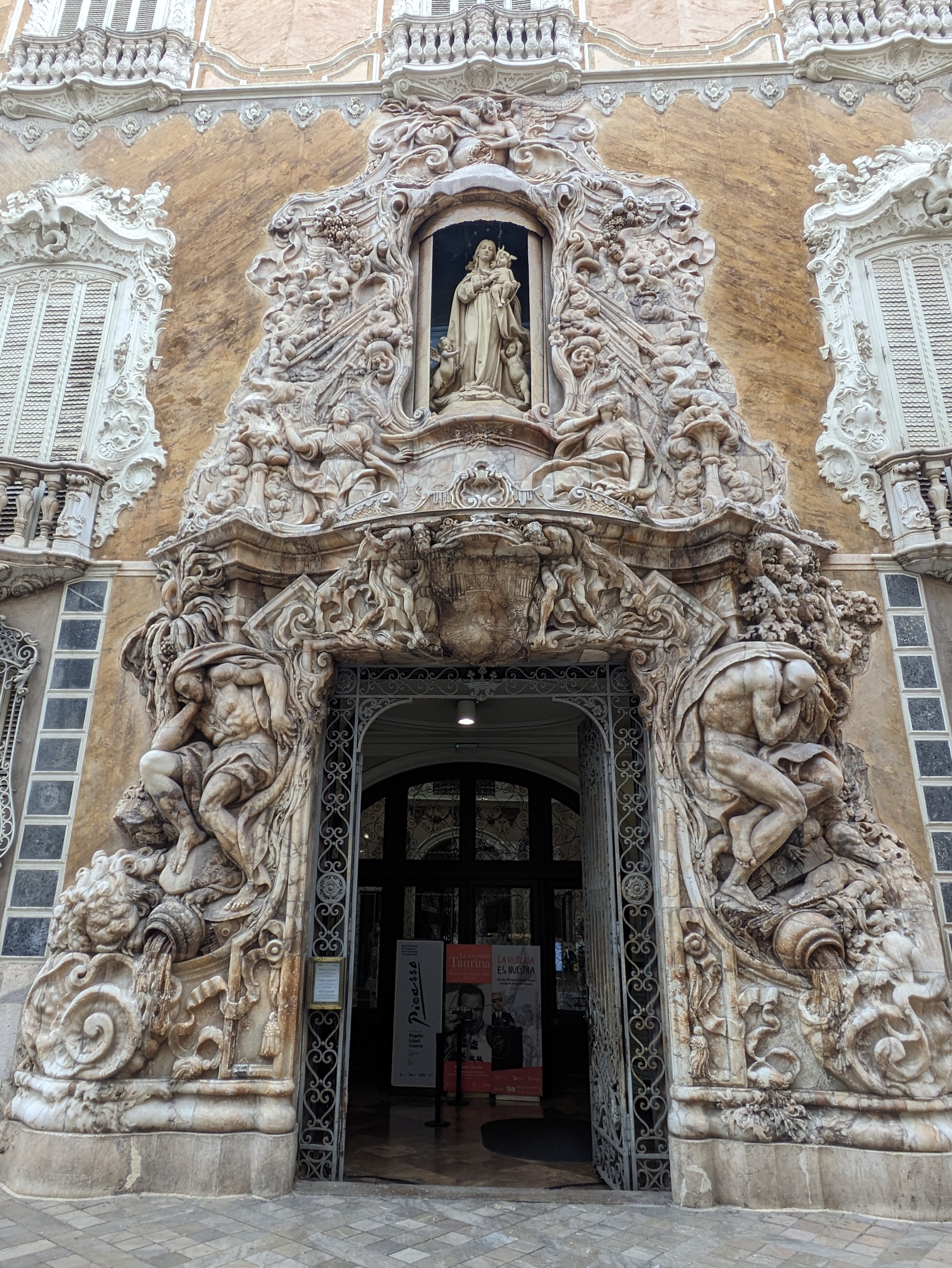
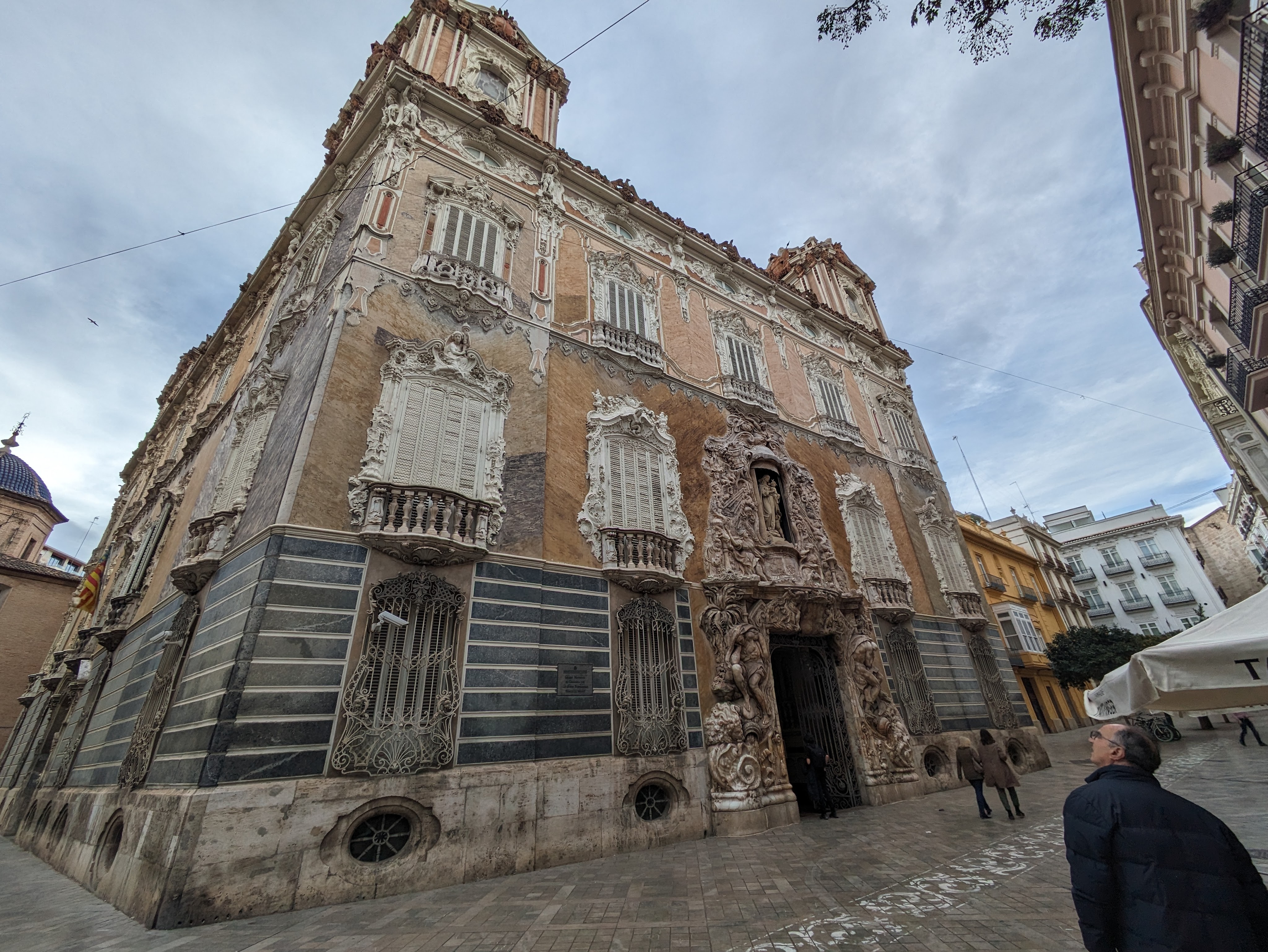
But we could not help but stop at this building the Museu Nacional de Ceràmica i de les Arts Sumptuàries Gonzàlez Martí- simply because it was just wow!
 Our life in Spain