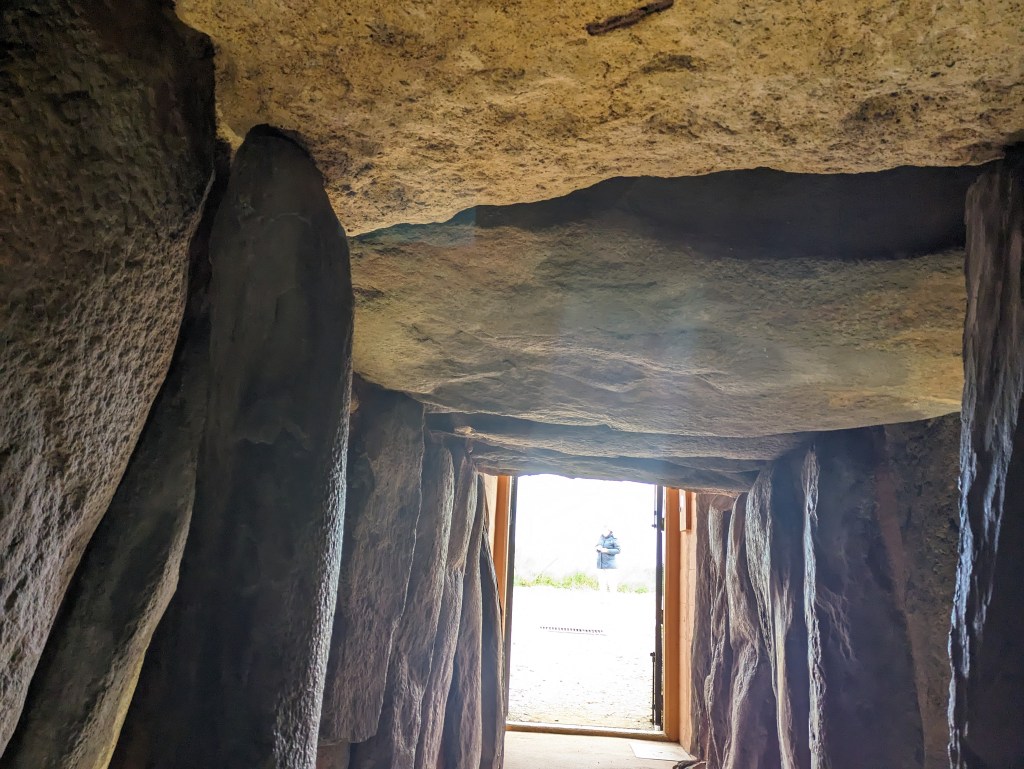
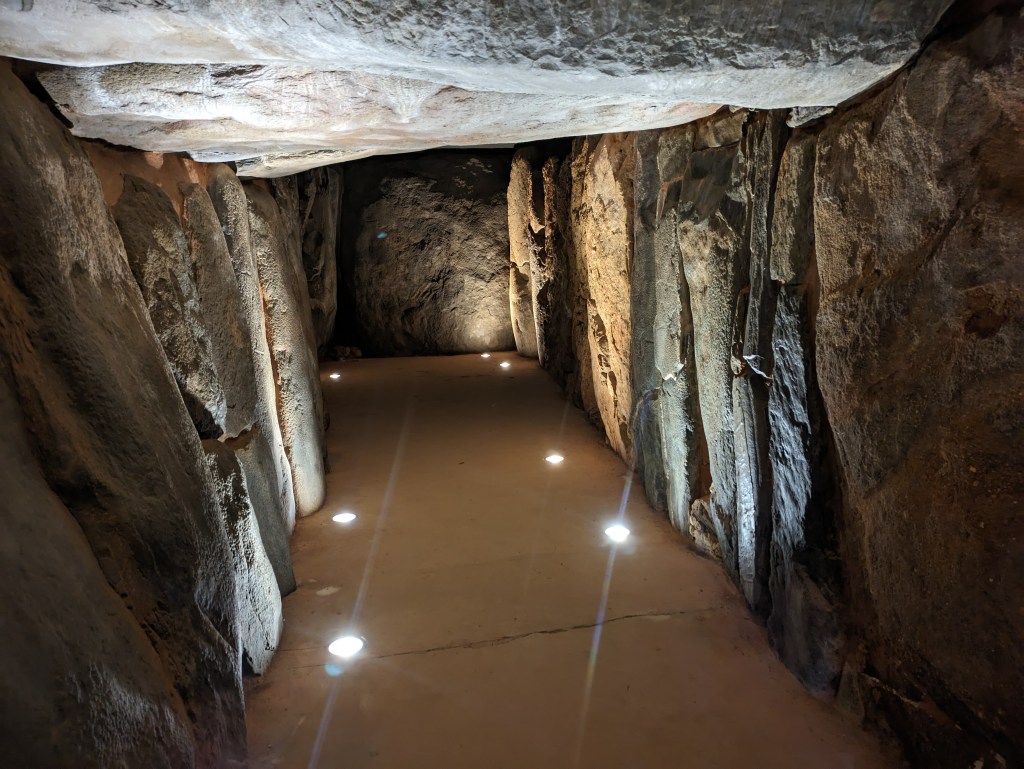
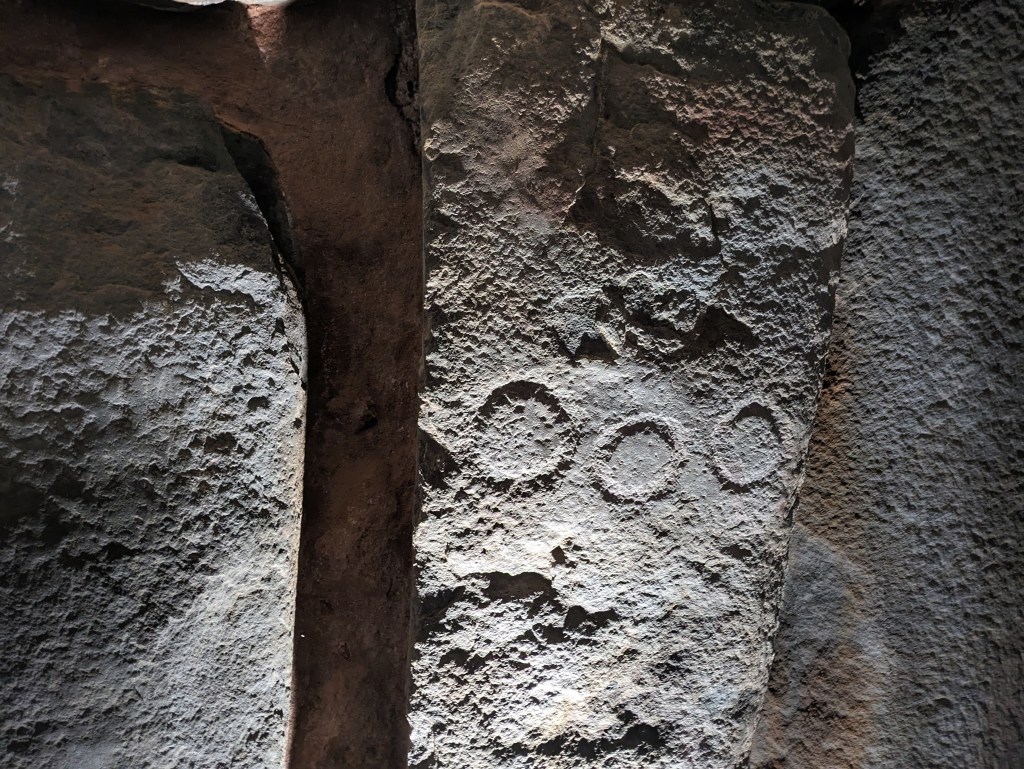
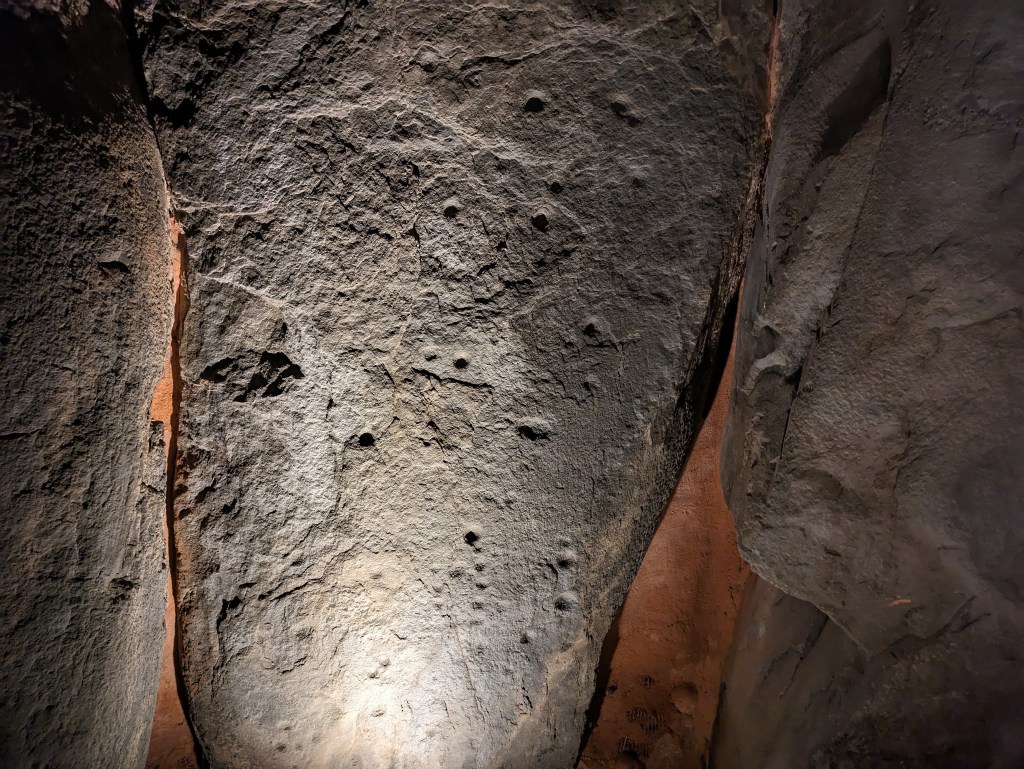
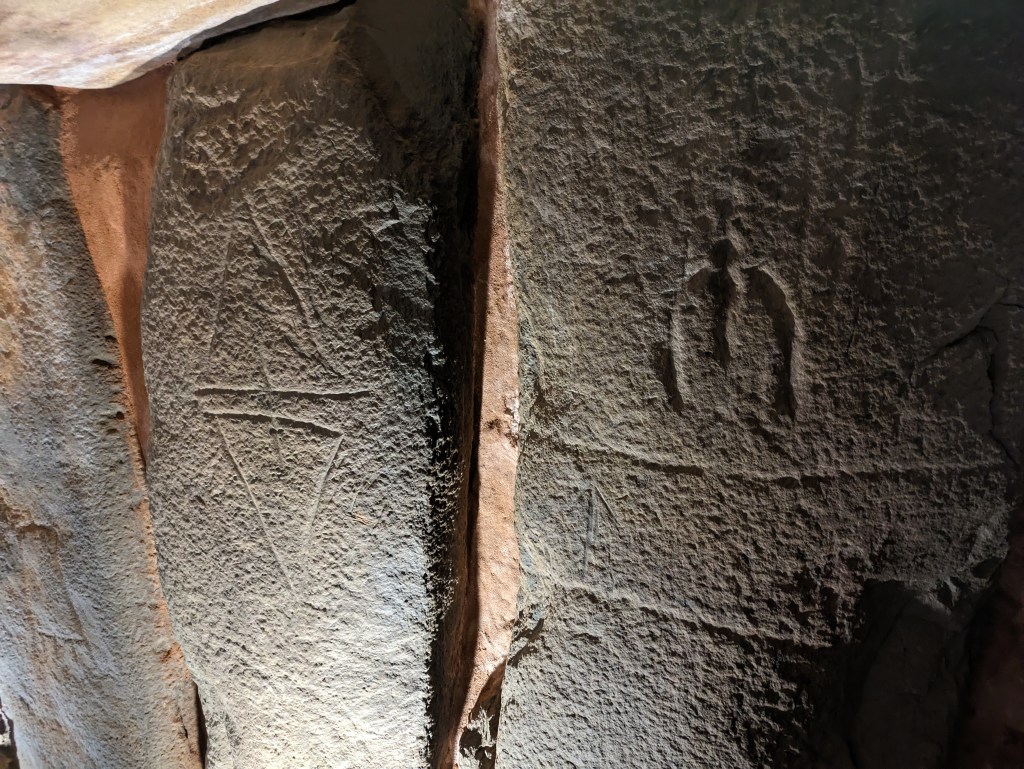
Our first stop in Huelva Provincia was the Dolmen de Soto de Trigueros (A dolmen is a type of single-chamber megalithic tomb). Apparently, unbeknownst to us, Spain has quite a few and Huelva provincia has around 200. The Dolmen de Soto was on our way and we were pleased we took the time to visit.
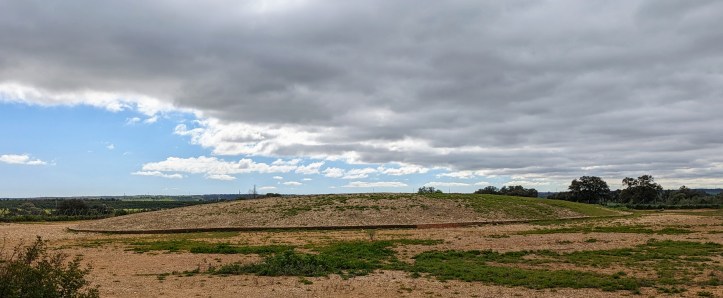
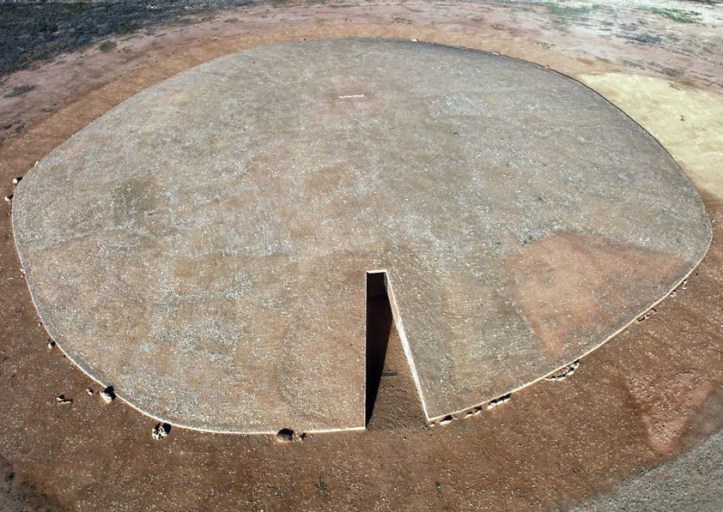
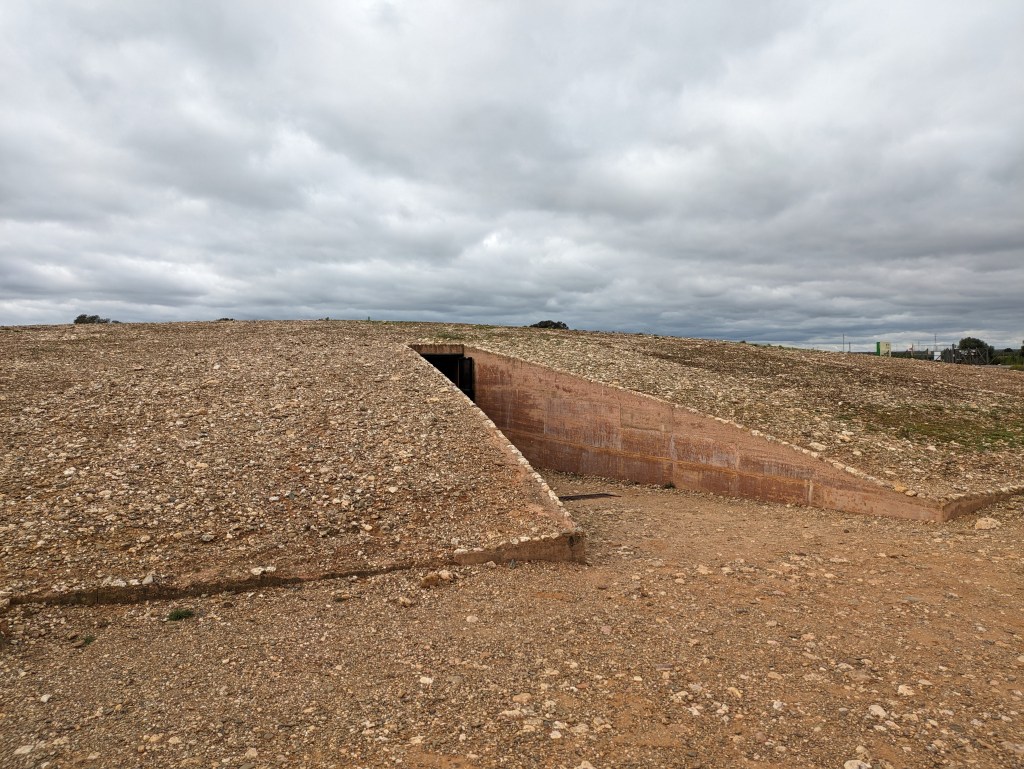
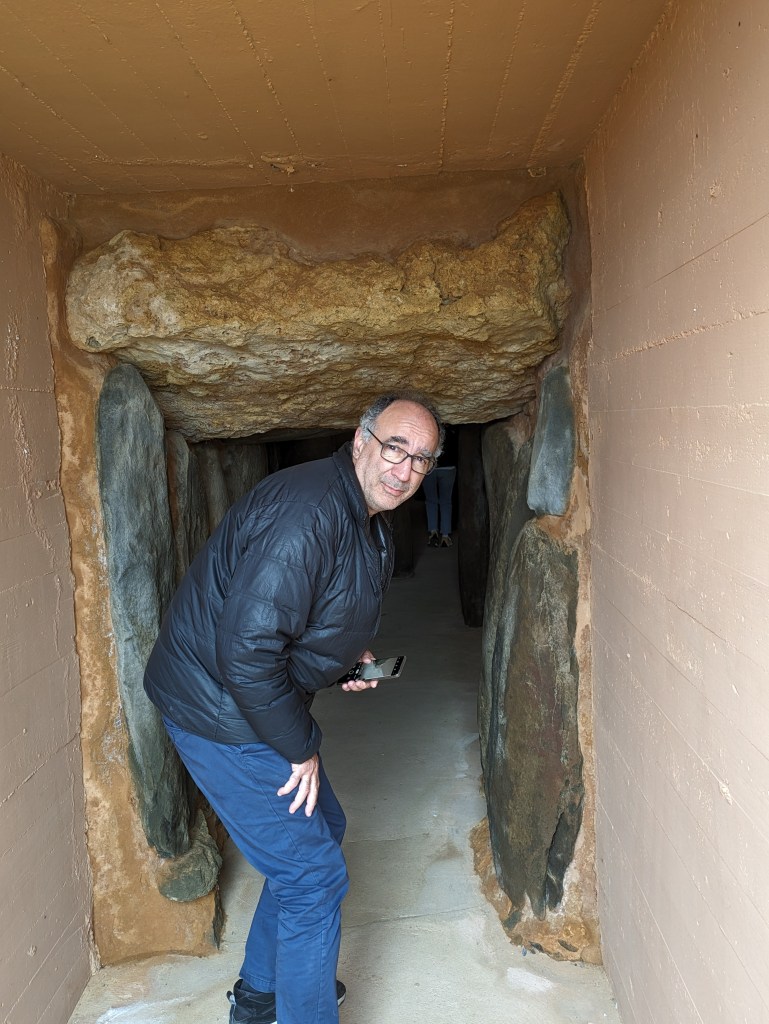
Found by Armando de Soto Morillas, who wanted to build a new house on his estate in 1922, he discovered the site when he began to excavate. A few years later a German archaeologist Hugo Obermaier was asked to perform some research and he discovered eight buried bodies in a fetal position with their respective artifacts beside them. At almost 21 metres long and a diameter of 80 metres, it is one of the largest in Huelva and dates back to between 3000 and 2500 BC. It is oriented from east to west, so that the first rays of sun in the equinox move along the passage and shine on the chamber for a few minutes, as part of a ritual in which maybe the dead came back from the afterlife, bathed in the sunlight.
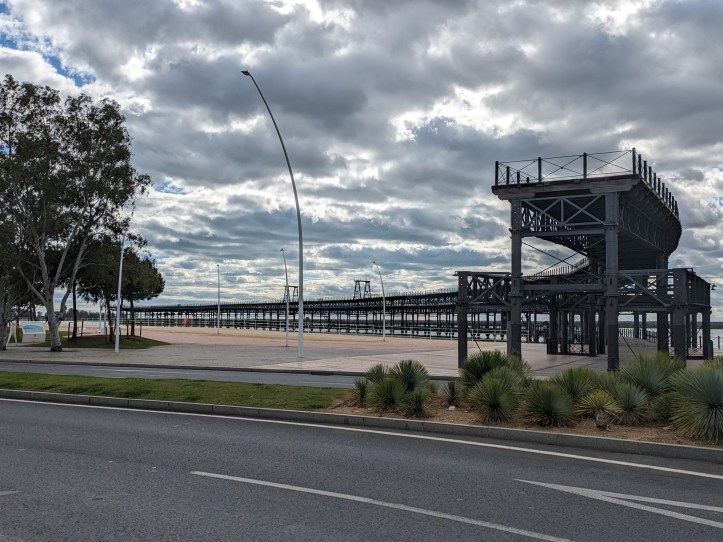
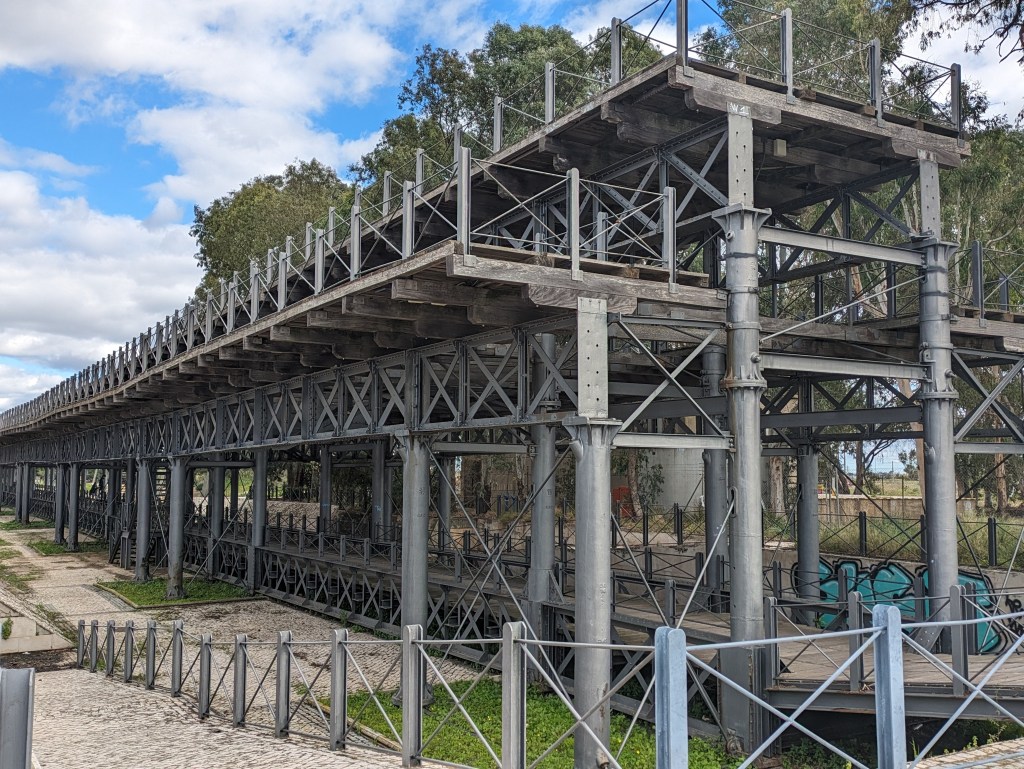
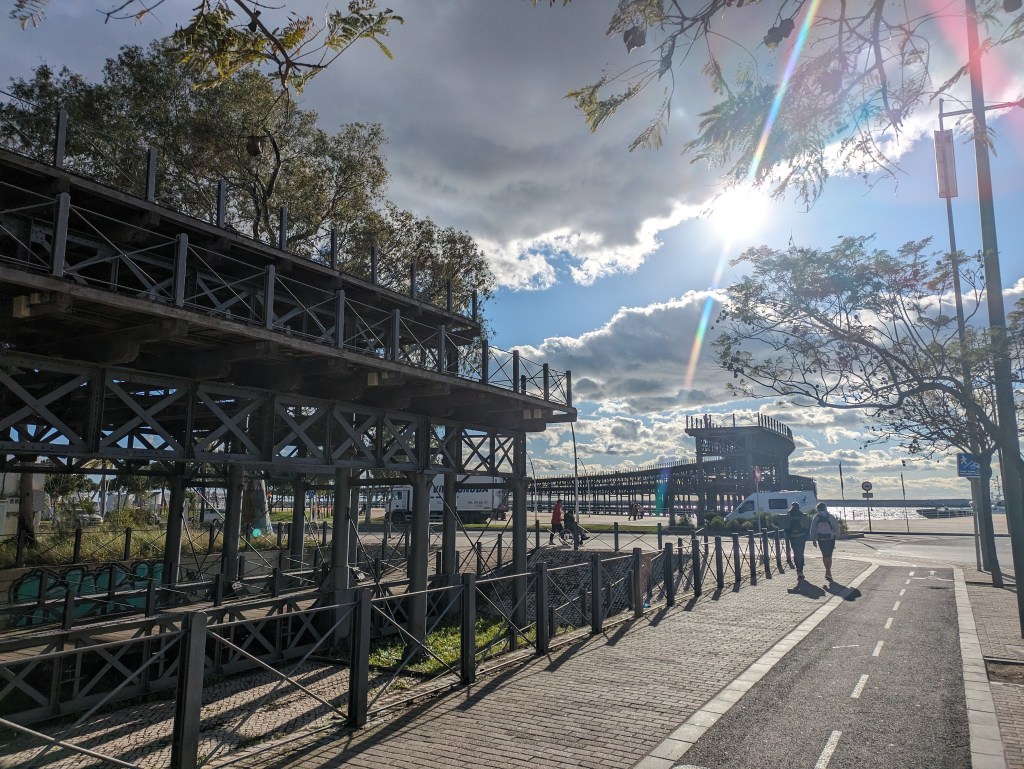
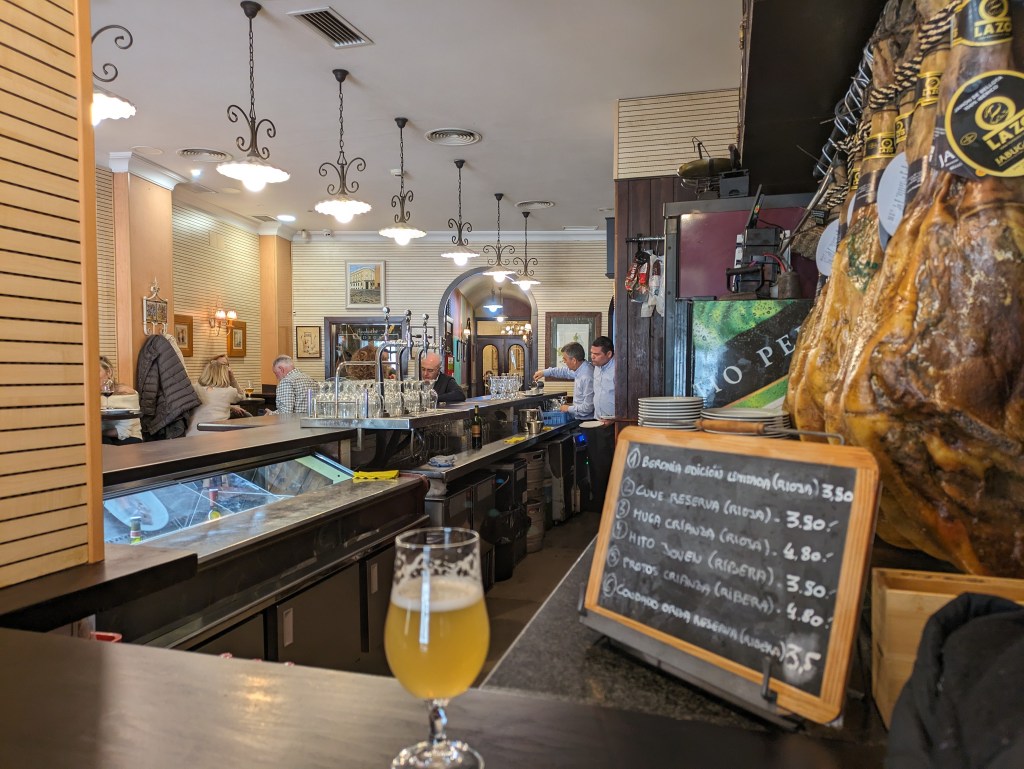
We then made our way to Huelva which sits on the Río Odiel, as this was one place we had considered basing ourselves. We went for a walk around town, stopped for a beer and a toilet stop and then checked out the Muelle de Riotinto (19th-century pier built by Rio Tinto). One of the rivers that branch off from the Rio Odiel is the Rio Tinto which is where the company Rio Tinto started from when a group of investors purchased and opened its first copper mine nearby. The large pier that was once used by Rio Tinto to load ships is no longer used and is now a part of the park on the river and is open to people to visit and walk out to the end.
We finished our day in Mazagon a beachside town where we stayed the night.
 Our life in Spain