When you visit anywhere in Europe, probably like most people, you realise how little history you know and nowhere is this more apparent to us than Albania.
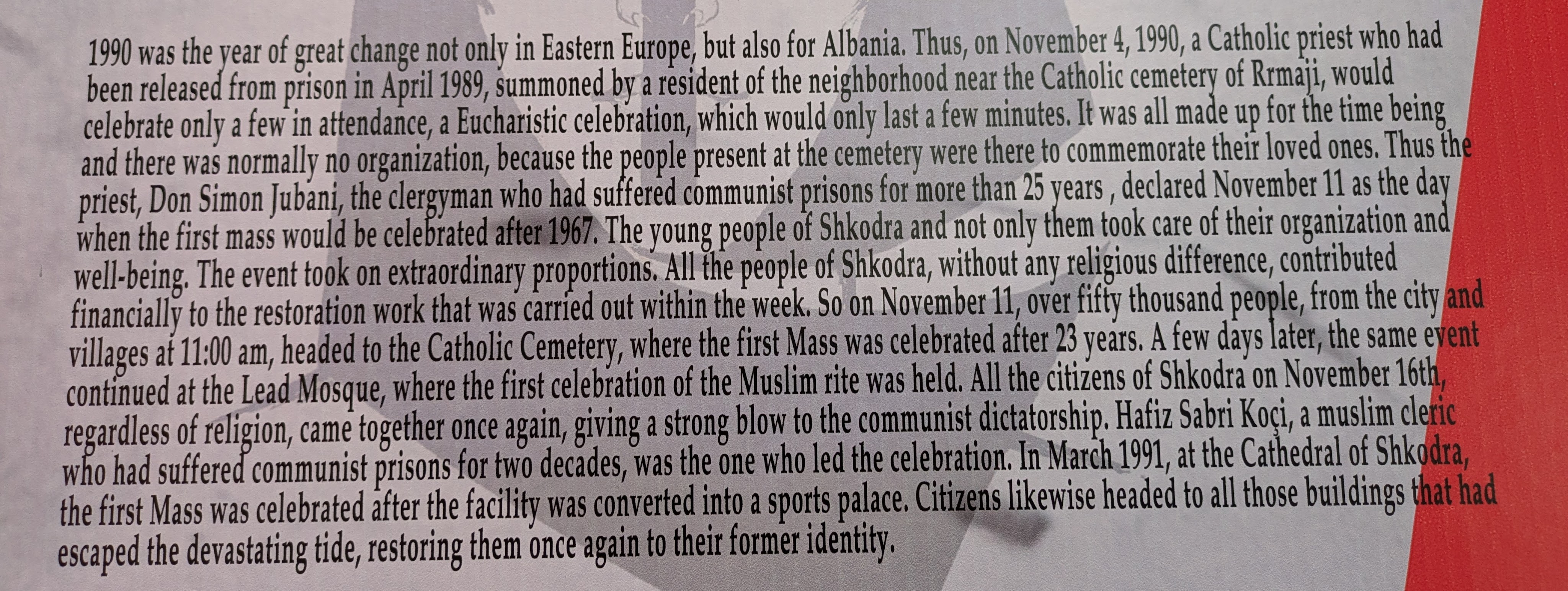
Albania was a communist regime from 1946 – 1992. It is regarded as one of the most brutal and isolated. Until the early 1950s, the government was aligned with Stalin. By 1955, newly isolated Albania had become the epitome of a Stalinist state with Soviet models being copied or adapted for virtually every sphere of Albanian life. However, by the early 1960s the Soviet Union chose to cut ties with Albania and this then led Albania to look for aid, which The People’s Republic of China was happy to provide. From 1966 to 1967 Albania experienced a Chinese-style cultural revolution. In 1990 like many Eastern European countries, change swept across Albania and the communist regime ended and multi-party elections were held on March 31, 1991.
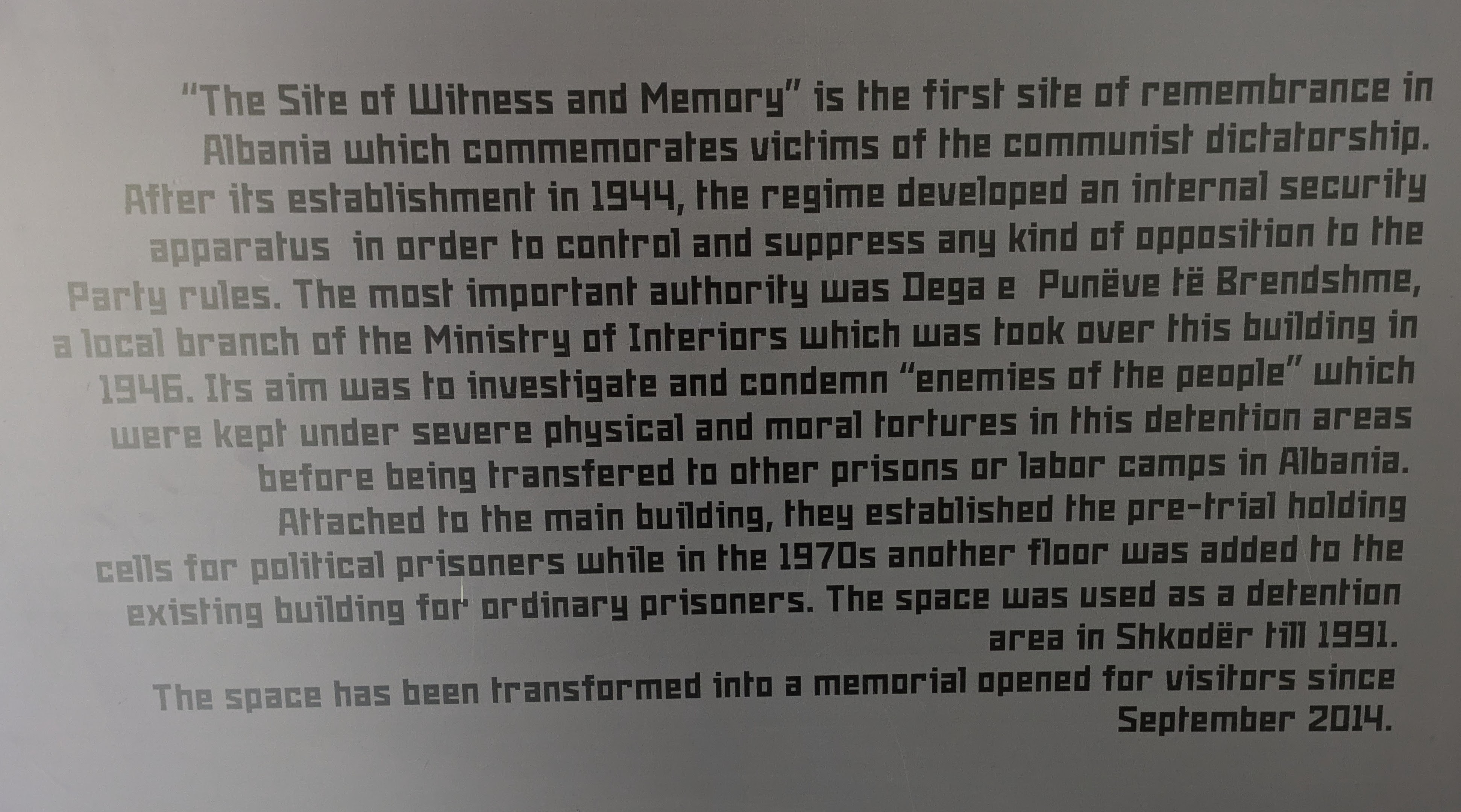
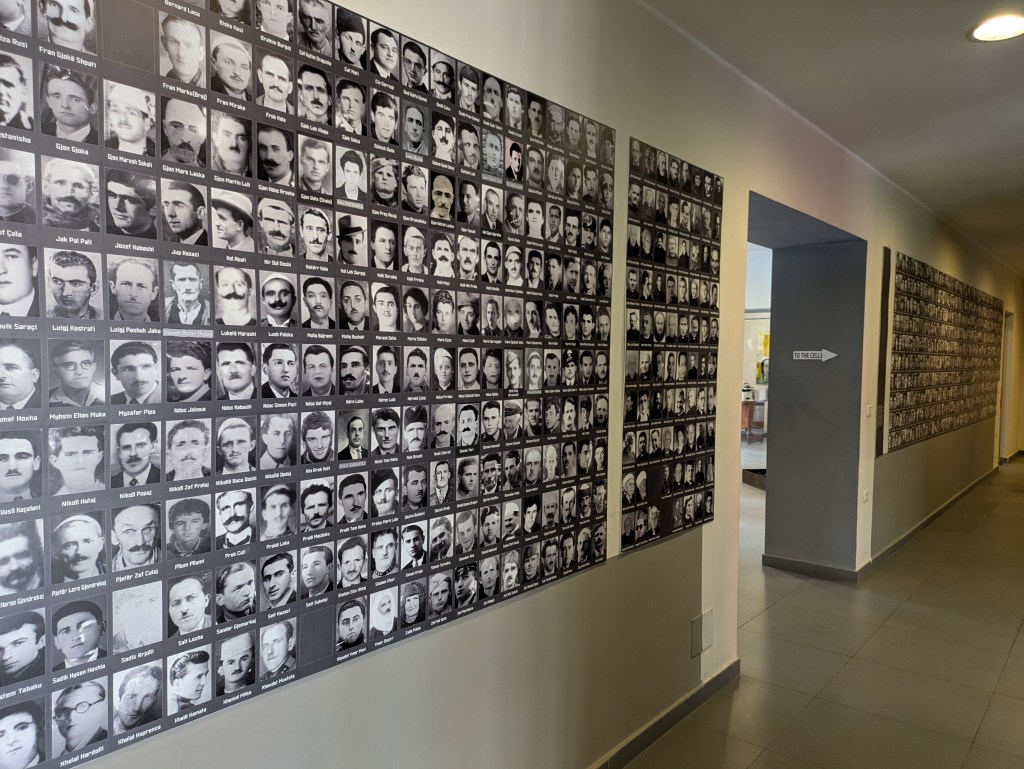
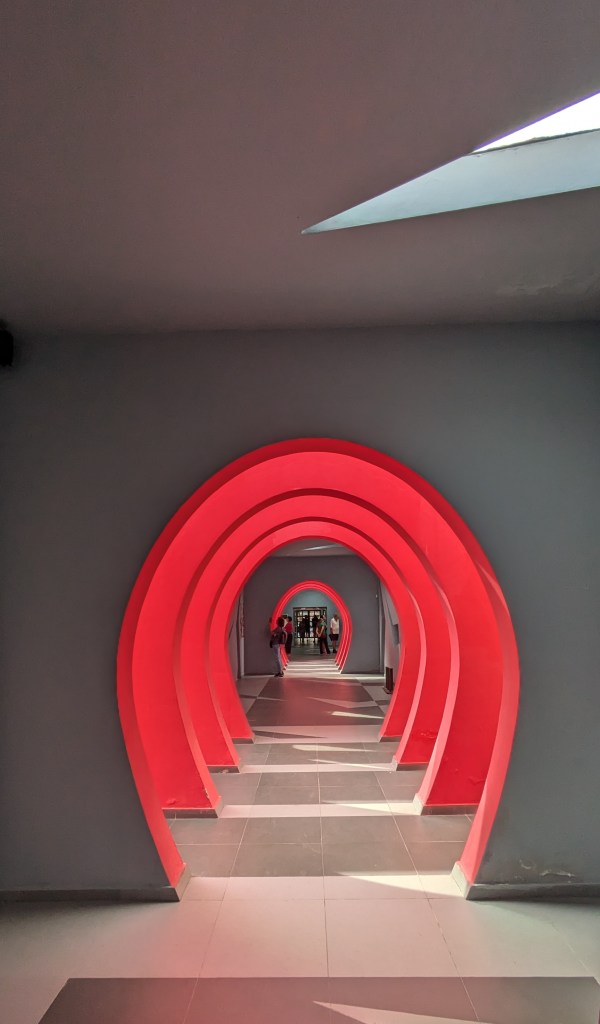
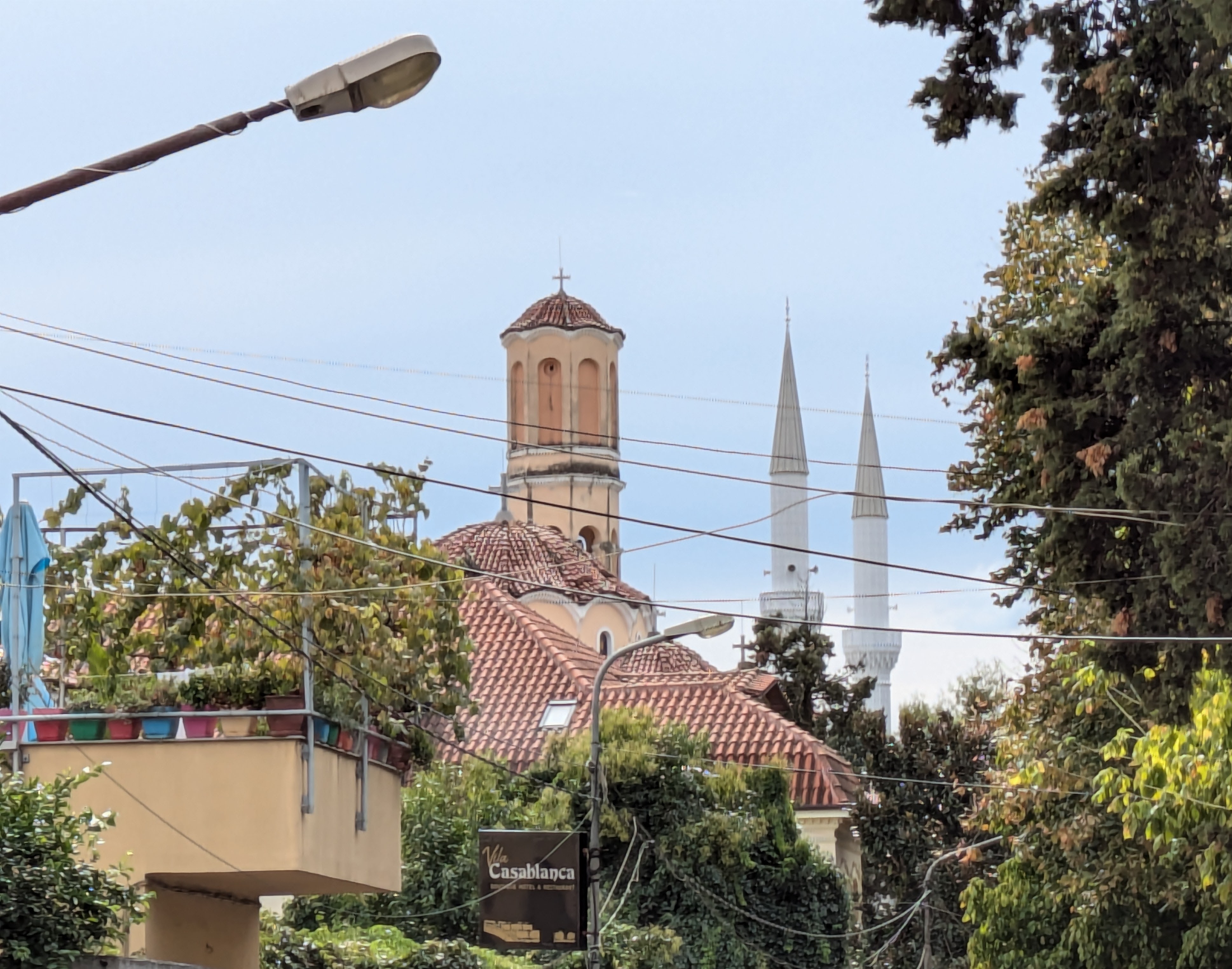
Shkodër was referred to as “the prison city” because the government had created 23 prisons mostly family homes and religious buildings that were converted to prison cells and torture rooms. The prisons held religious leaders (Catholic, Islamic and Orthodox), as well as political prisoners. The government also created an Athiest Museum the only one of its kind in the world.
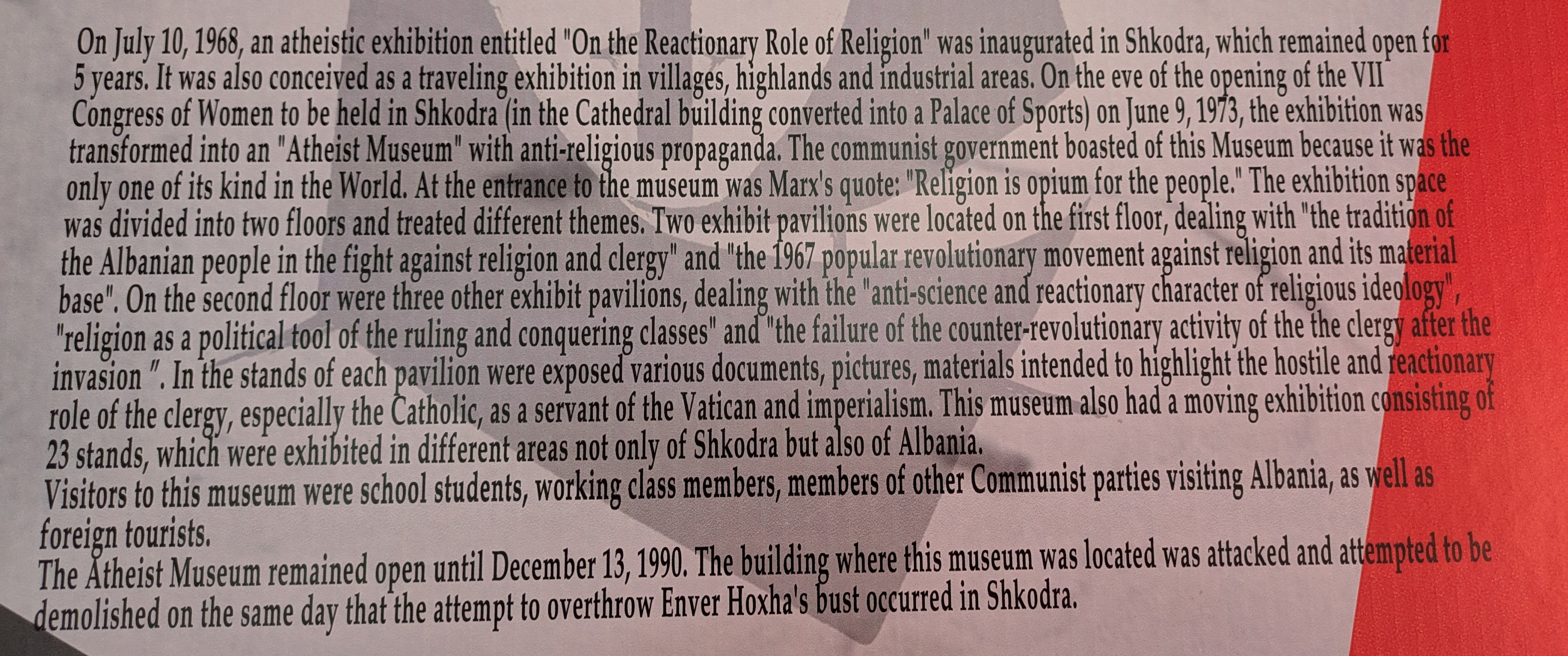
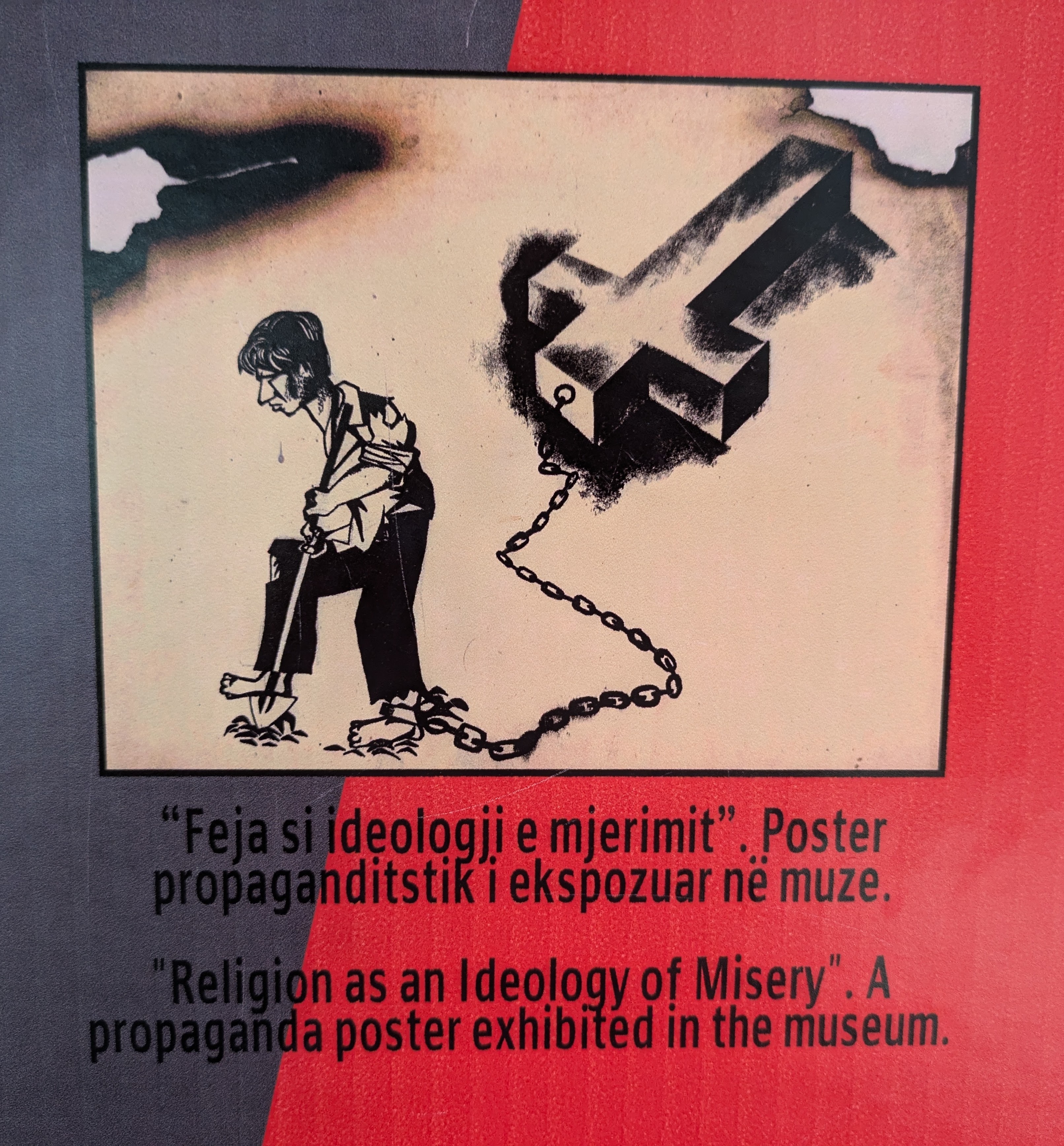
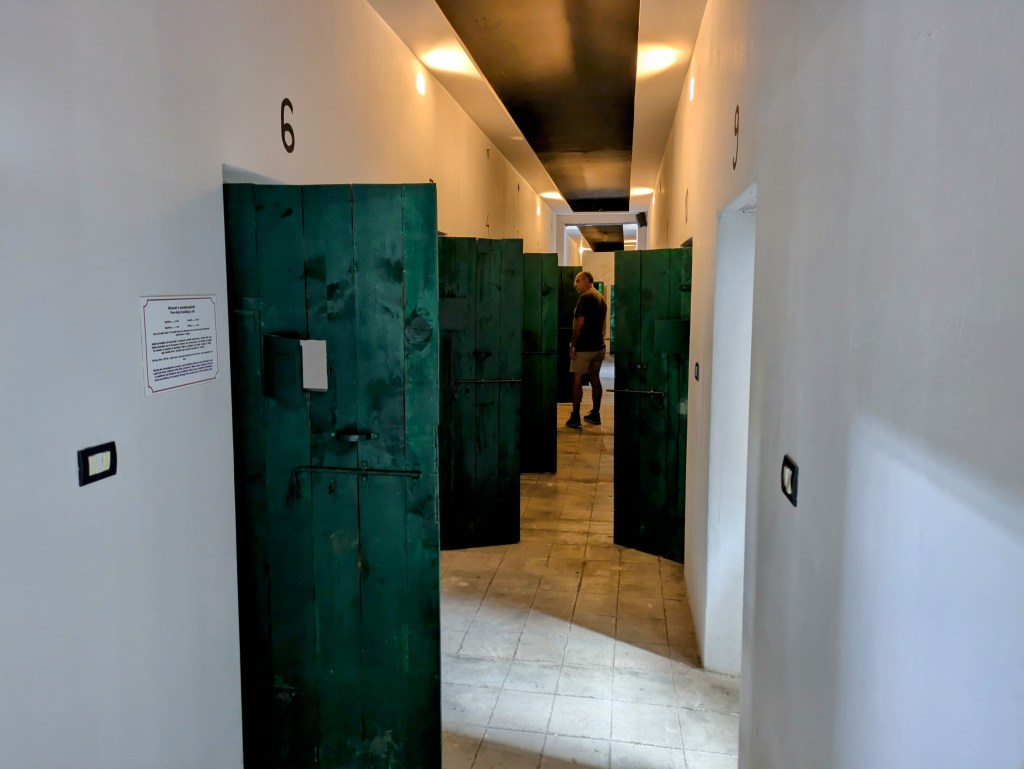
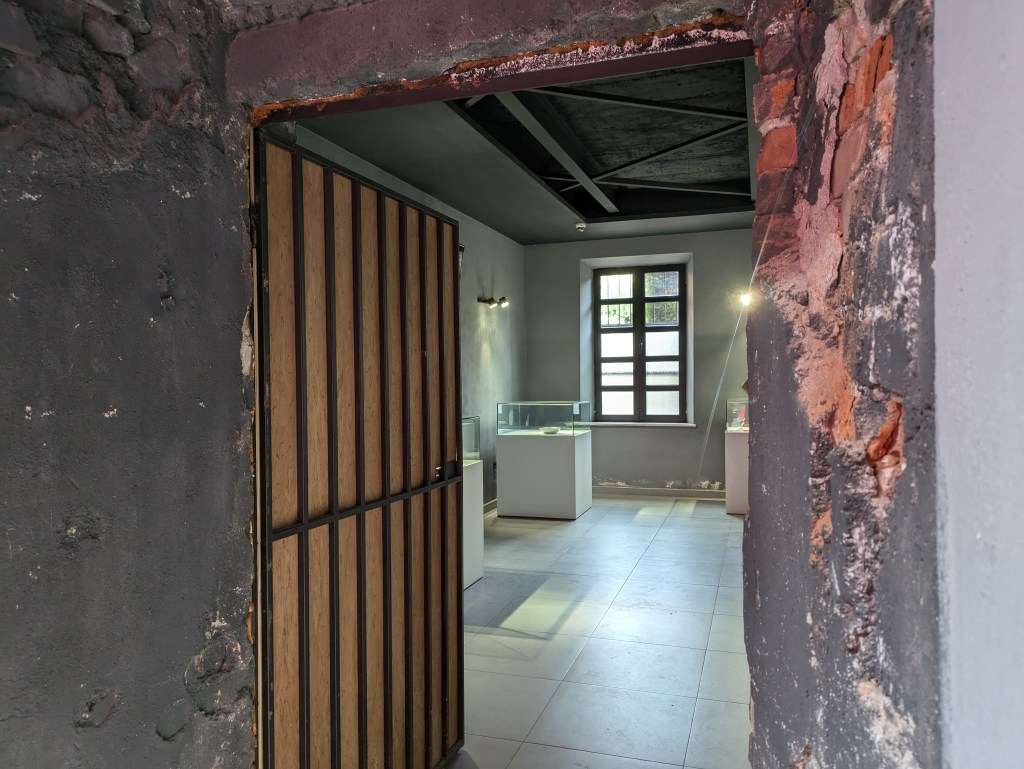
The museum was definitely worth visiting. Albania is still quite an underdeveloped and poor country and you can see in the Albania of today that it has only been 33 years since the collapse of the communist regime and change of government.
 Our life in Spain