
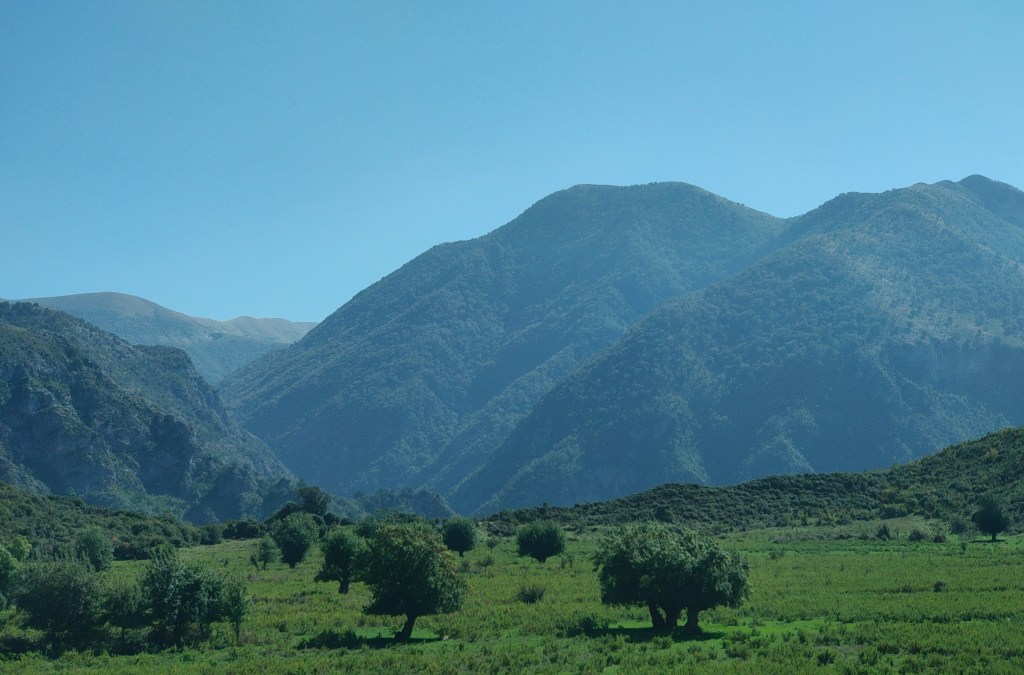
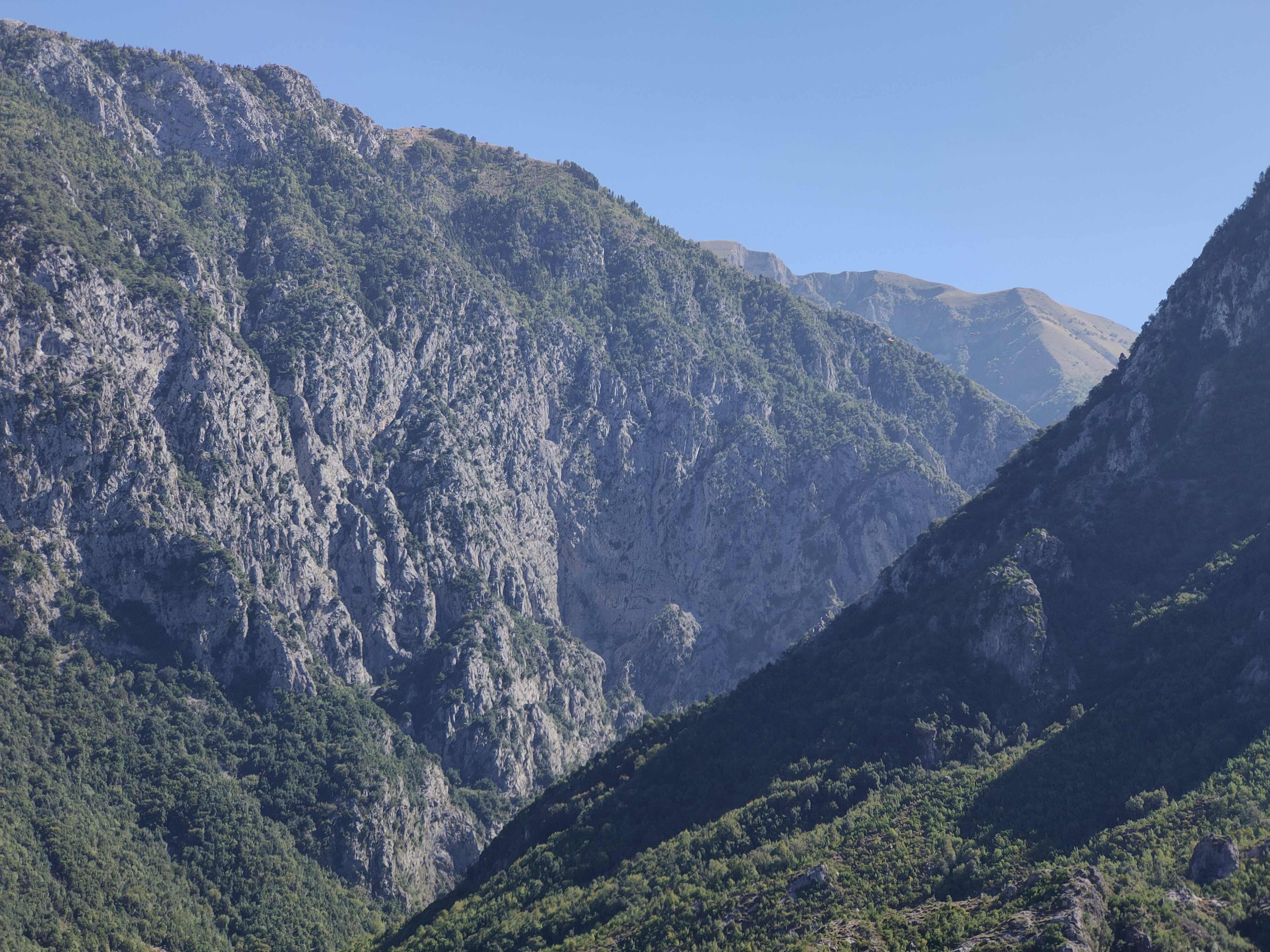
We drove to Gjirokaster which is a couple of hours from Sarandë so we decided to stay the night. We drove through some beautiful mountains to get there.
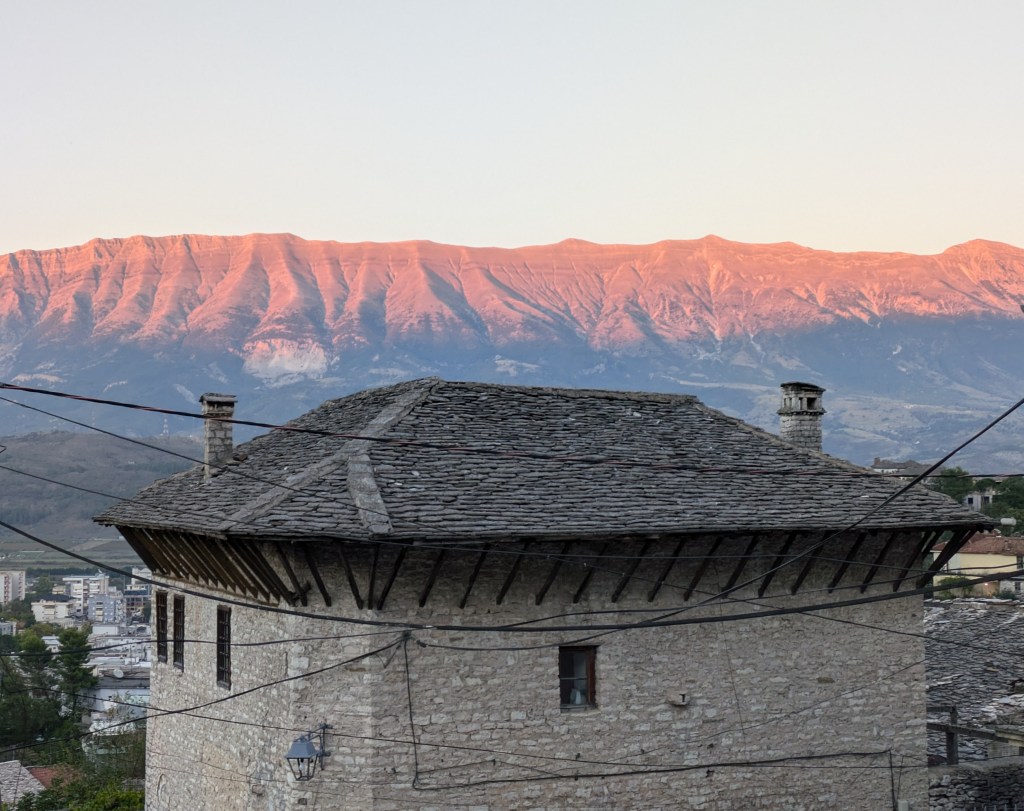
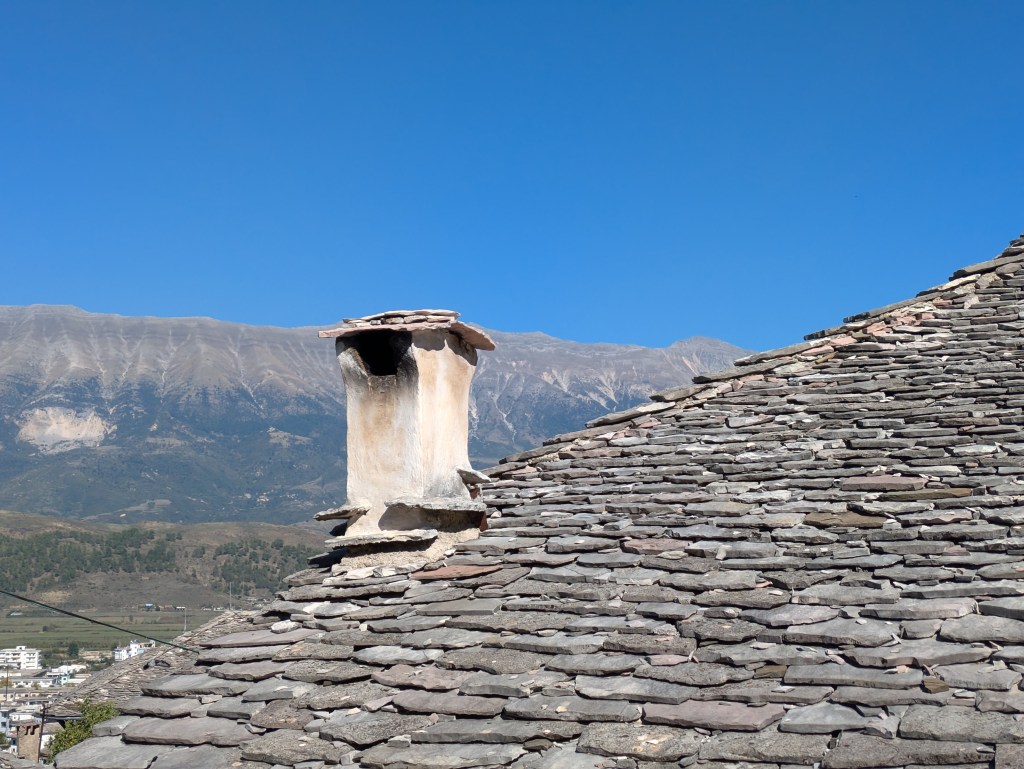
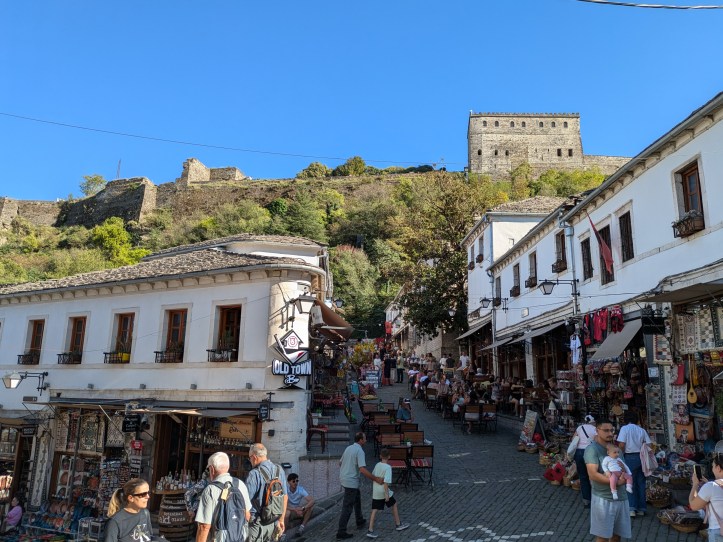
Gjirokaster began as a fourth-century castle and the current city lies on the steep slopes of the Drino River valley. It is known as the stone city and is the “city of a thousand staircases”, which includes hundreds of houses – Ottoman-type towers with stone roofs, wooden balconies and stone walls. It is also the childhood home of the Stalinist leader Enver Hoxha and we wondered if this is why this city is one of only a few that has retained any of its historical architecture and culture.
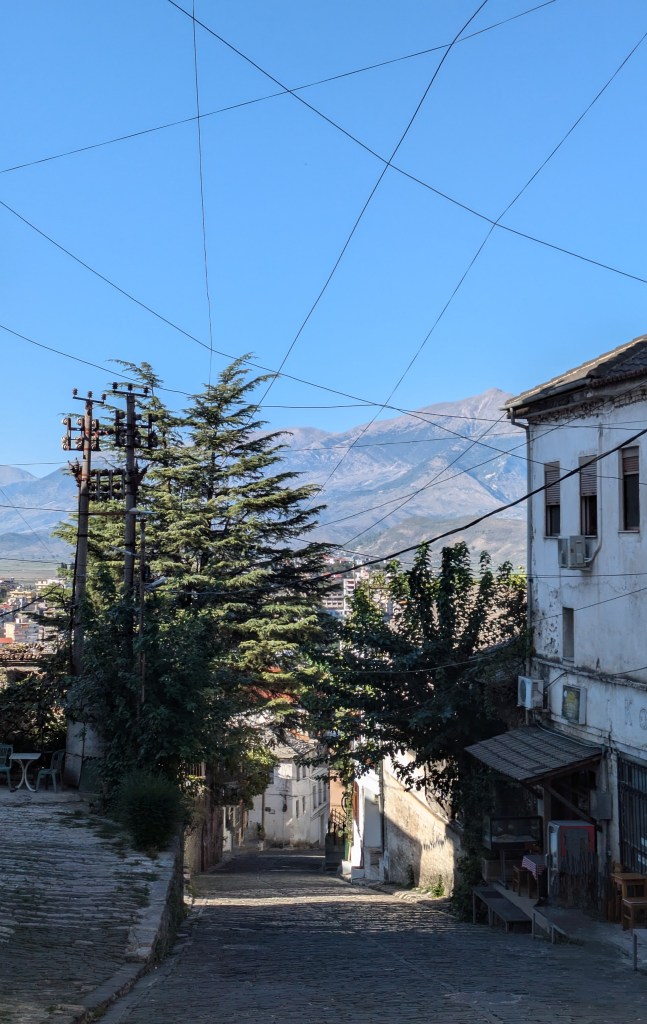
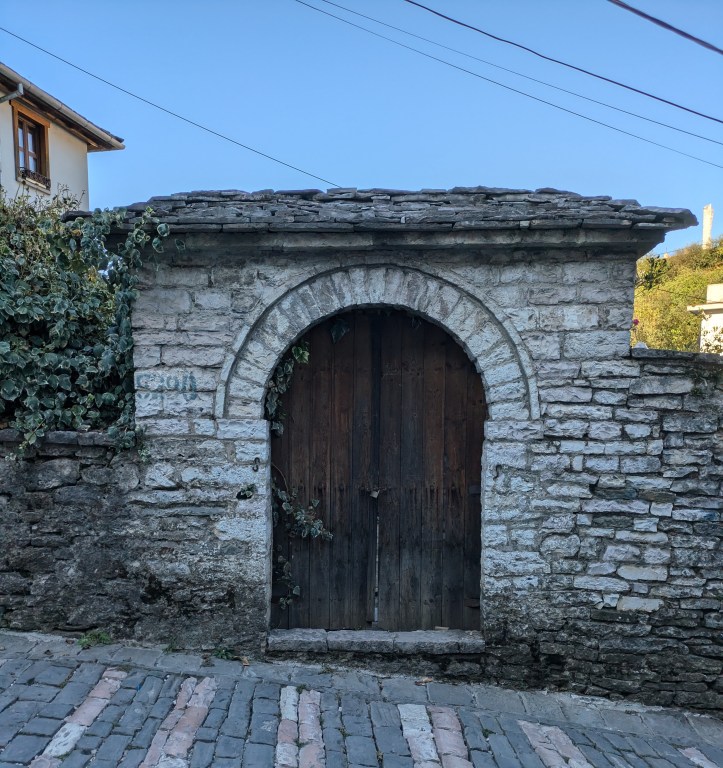
We stayed for the night at the traditional stone guest house “Sokaku i te Mareve” whose entrance sits on Rruga (street) Sokaku i te Mareve which is a stone pathway that leads up to the hillside to the lane that you into the centre of town. The pathway Rruga Sokaku i te Mareve translates as “the street of the mad” and the host told us there are many rumours that explain the name but that no one really knows. One of the rumours is that the street is paved with very irregular loose stones, and when people walk in this street, the stones move and seem to follow people back making noise behind the people, so they would run to escape, but stones also run after them following like mad people. Not sure about this explanation.

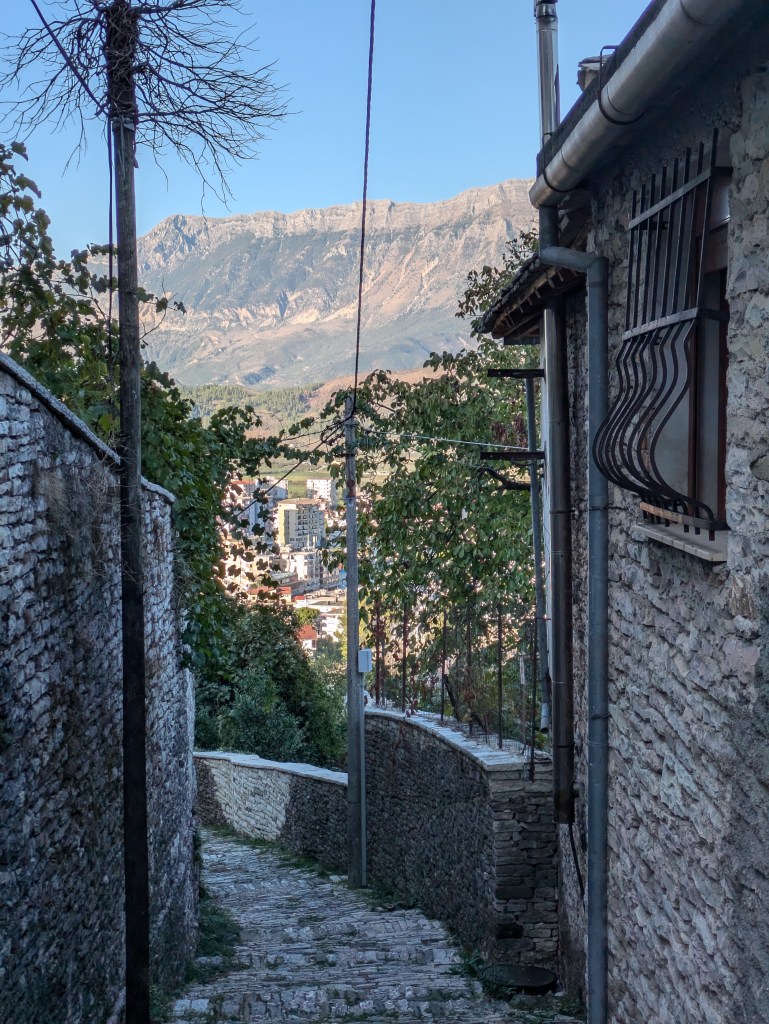

The guesthouse was really lovely and the hosts a brother, sister and their mother were friendly and kind. The breakfast was homemade and delicious.

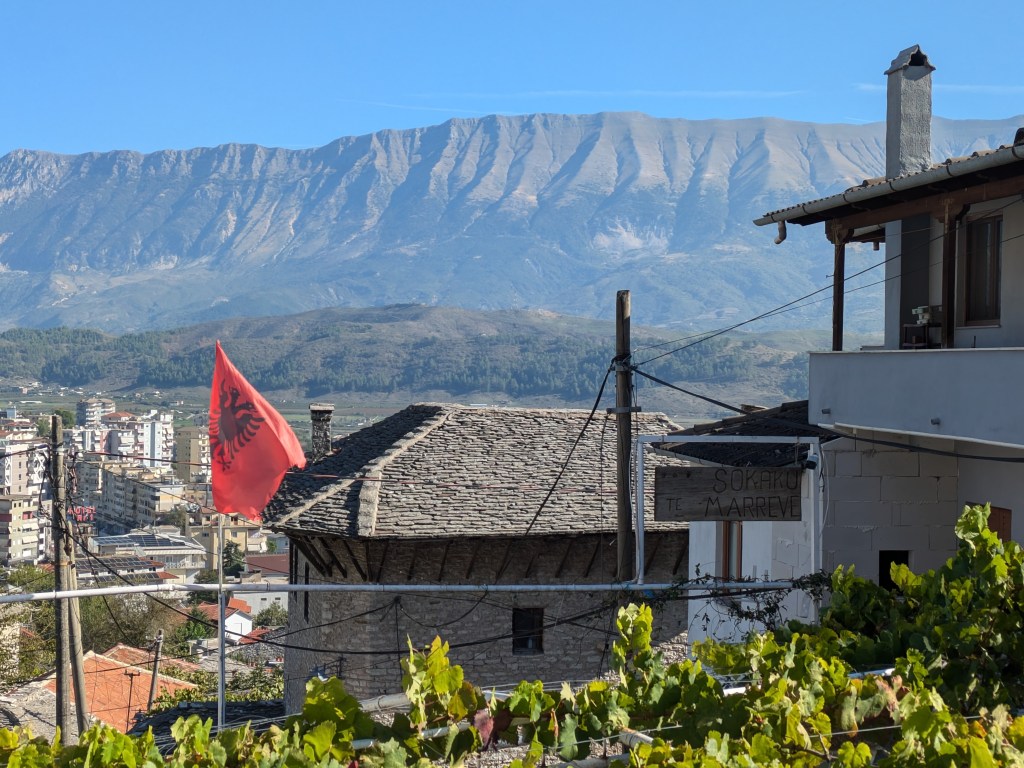


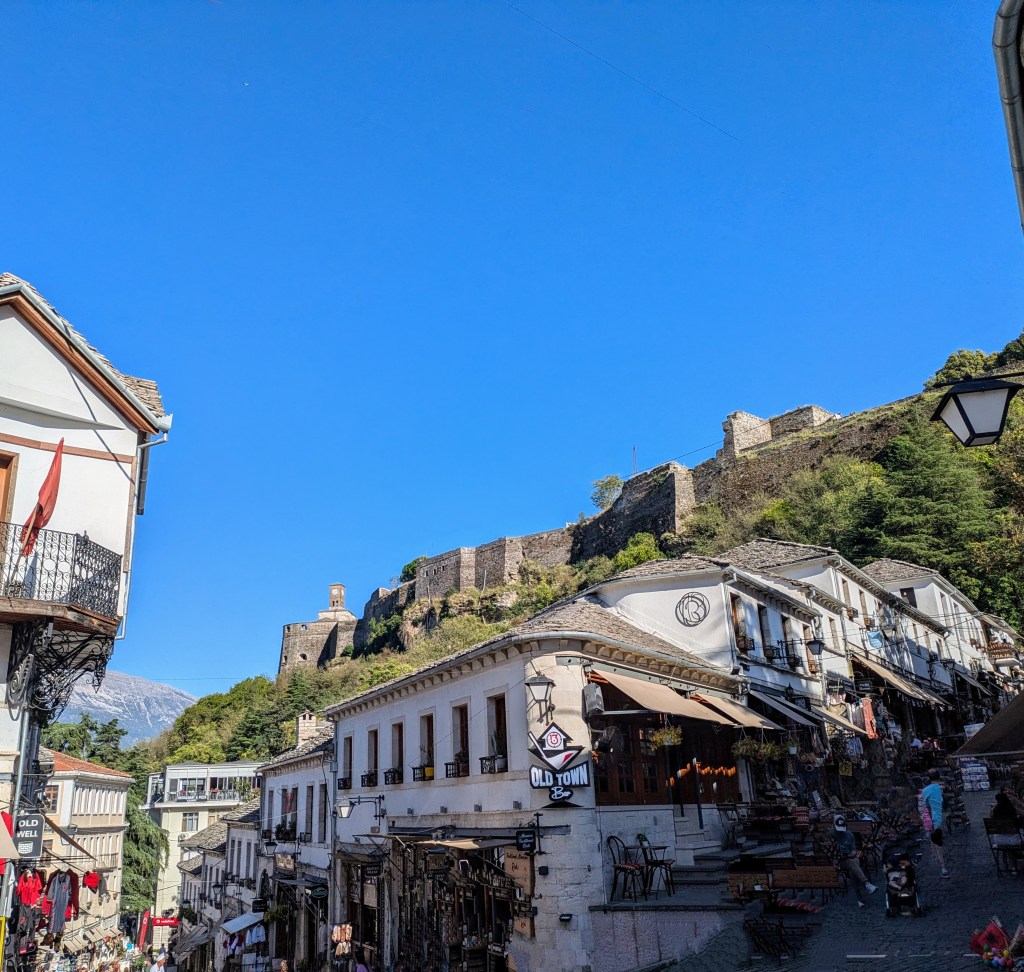
We climbed up the path Sokaku i te Mareve path and made our way into the centre of town to have lunch. We then explored and wandered around the stone paths and lanes of the historic centre and the bazaar.


 Our life in Spain