In the first few days, we arranged to join the Craft and Food tour with Meet Bosnia tours, and it was one of the best we have done. Our tour guide, Hidaya, was very good; the tour was relaxed and informative, and we loved that there was no pressure to rush. It was meant to be 4 hours, but it ended up being 51/2 hours.
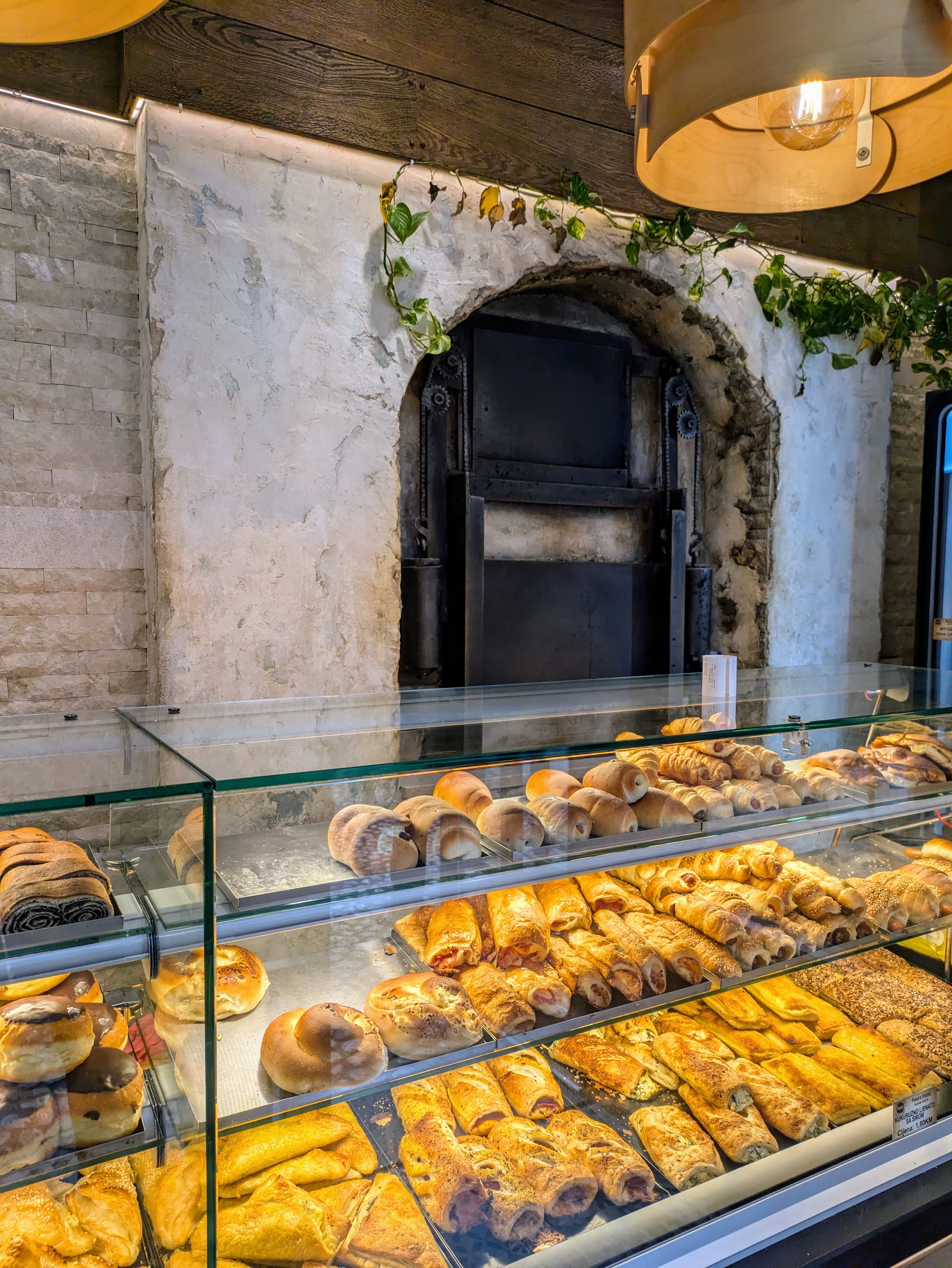
Gazi Husrev Bey was the Ottoman Bosnian sanjak-bey (governor) of the Sanjak of Bosnia in the 1500s. He established the free Imaret (kitchens), and free hammans and also built the Gazi Husrev Bey’s Mosque, which is the main central Mosque in Sarajevo. Our first stop of the day was at the Pekara Imaret which is located in a hidden lane opposite the entrance to the mosque. It operated for many years as one of the free Imarets but is now a bakery. We tasted kiflice which are small salted soft rolls.
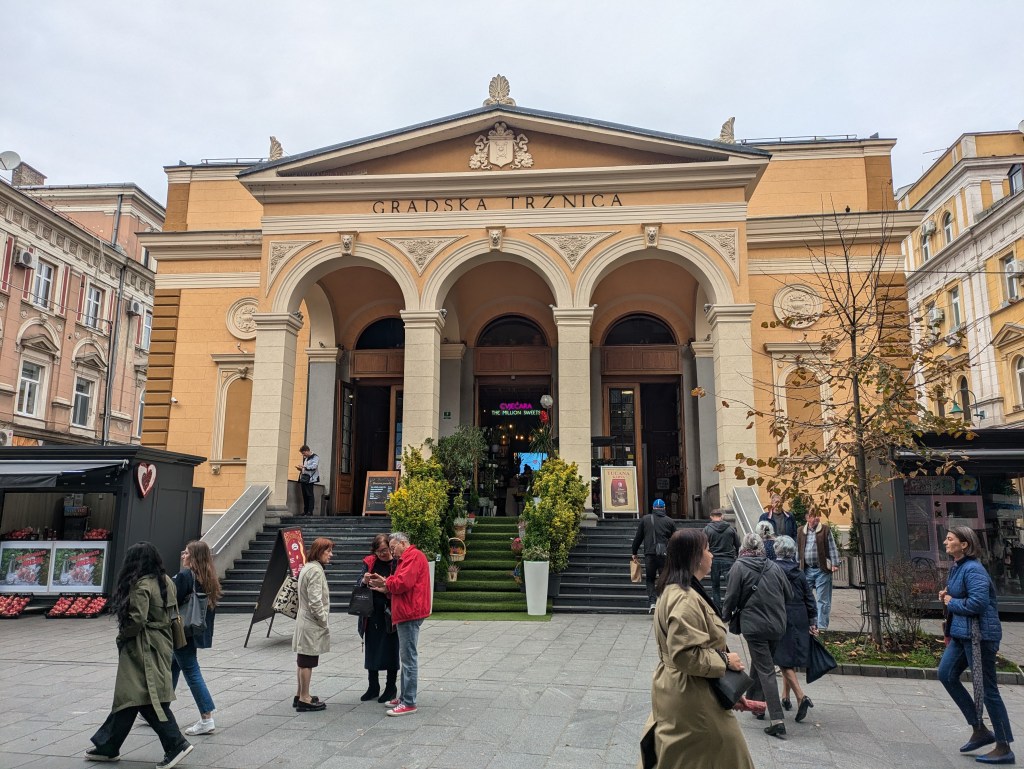
The indoor market Gradska tržnica Markale is located in the Gradska trznica (originally built as a theatre). We tasted Suho meso (smoked beef) a Bosnian specialty made by salting, drying, and smoking beef over an oak fire, as well as soft and hard cheese, plum jam and ajvar.


Tito apparently loved it so there is a smoked beef named after him.


Then to Pijaca Markale (fruit and vegetable market) to buy some fruit and Hidaya also explained about the Sarajevo Roses. Sarajevo roses are memorials of places where people died and the road was damaged during the war by mortar shells and filled with resin to make an eternal memory of war victims. One of the main roses is located in the market as a memorial of the 200 people killed in one of the attacks. Both the Pijaca Markale and Gradska tržnica Markale were the only 2 locations where residents could get food during the Seige of Sarajevo (1329 days).

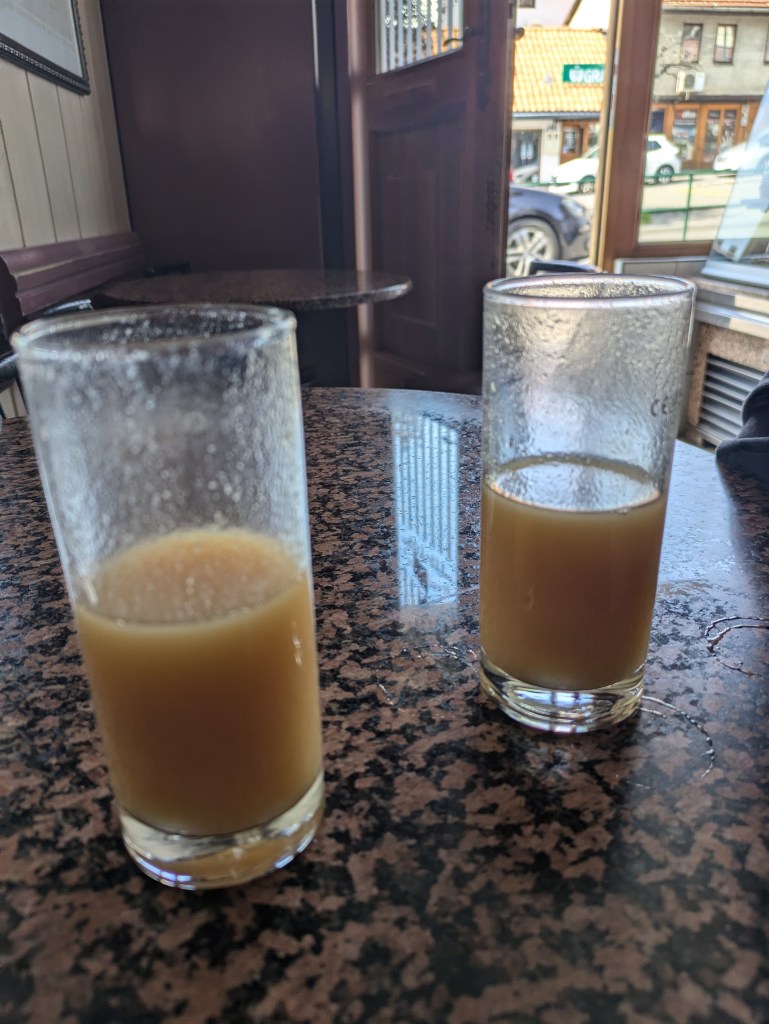
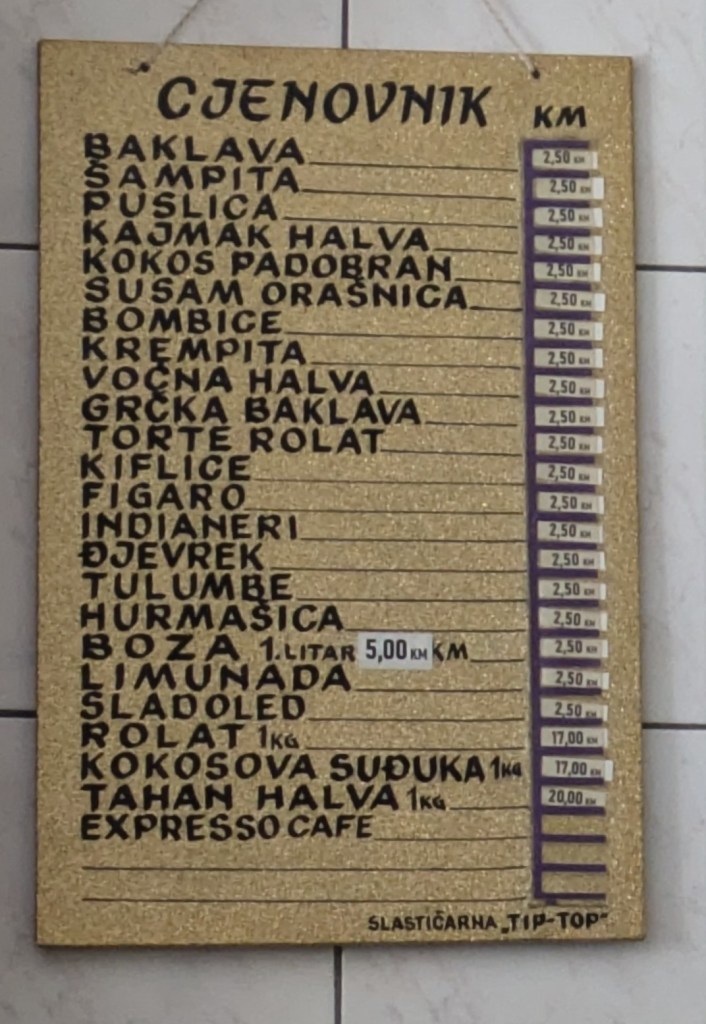
The next stop was Slastičarna Tip-Top a patisserie shop that opened in the 1960s and is known as the place for the best boza. Boza is a non-alcoholic and refreshing drink made from corn (corn flour), yeast, sugar and water. I know, sounds so unexciting! This drink can be found throughout the Balkans and Turkey although it may have a slightly different spelling. We really liked it, didn’t think we would.
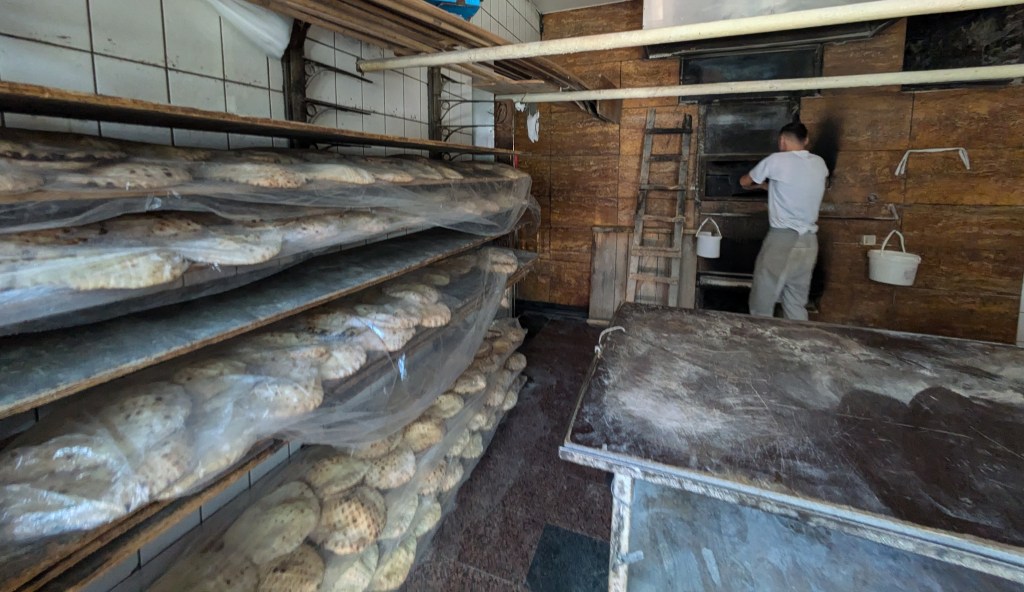
Pekara Poričanin has various bakery products that have been made for almost 90 years. But it is the Somun, which is a traditional flat bread that is of special importance to all believers of the Islamic faith during the holy month of Ramadan that the pekara is known for. Apparently, during Ramadan the queues are legendary.


Coppersmiths and handmade brass coffee grinders
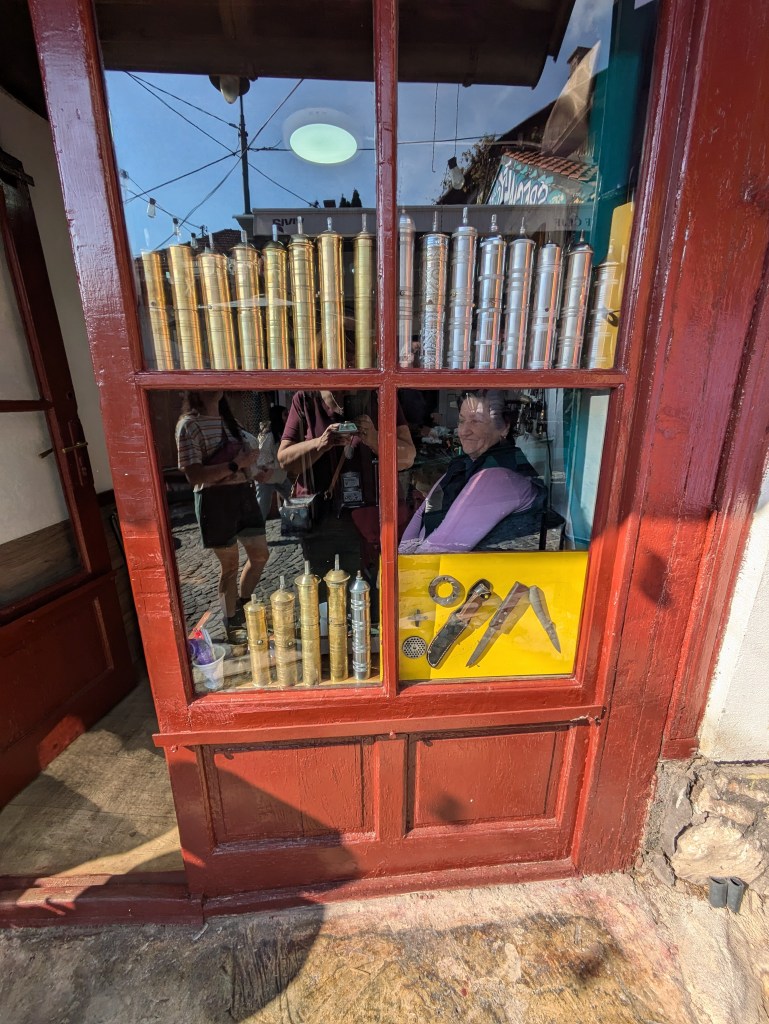


in Bosnia & Herzegovina. The store is run by the wife of the original artisan
but her son is who creates them today. It is unusual for women to be involved
in this industry in any way.

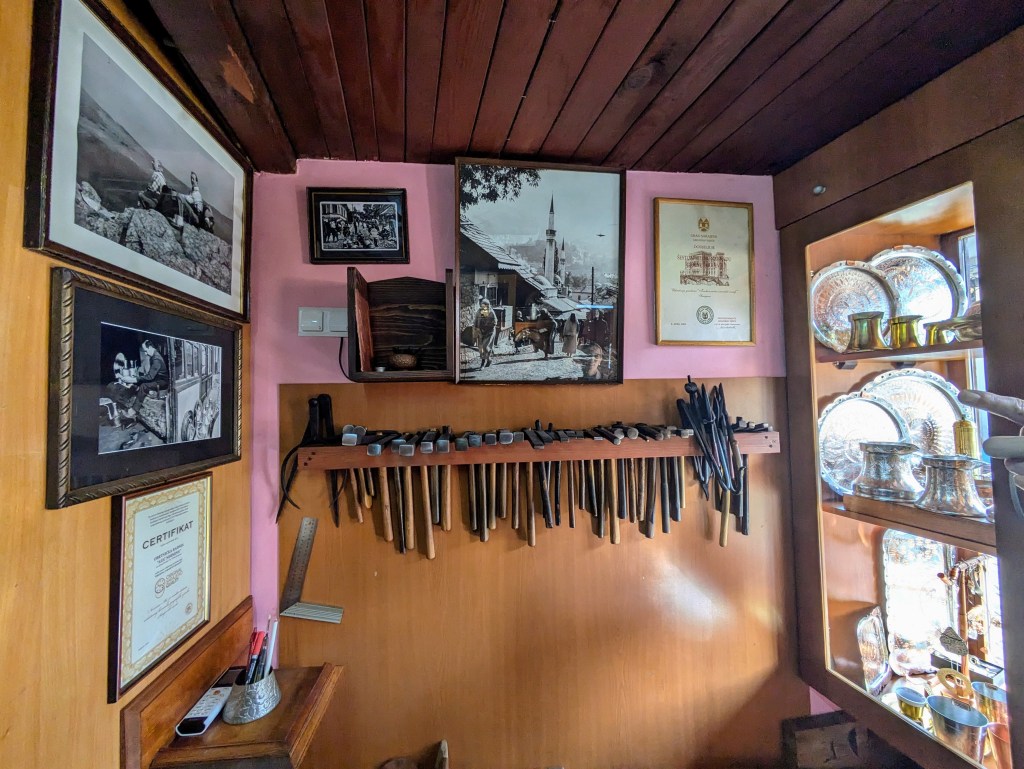
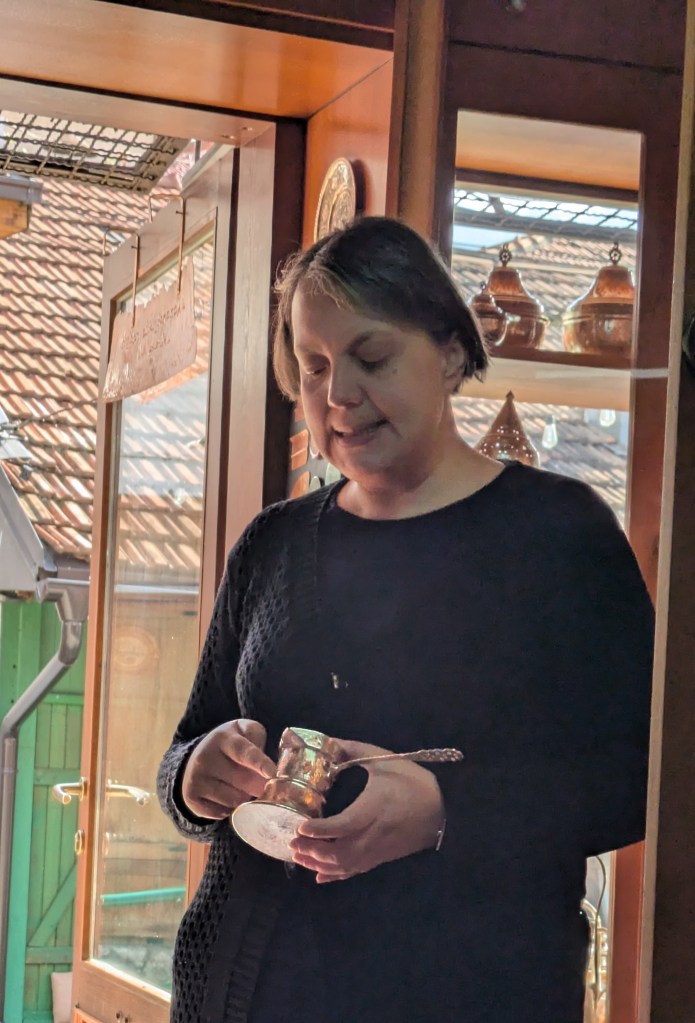
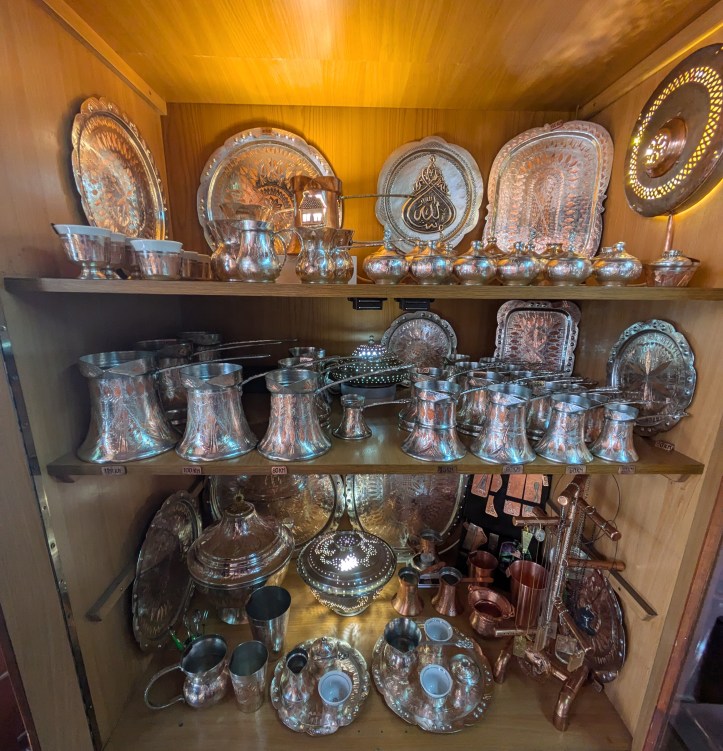
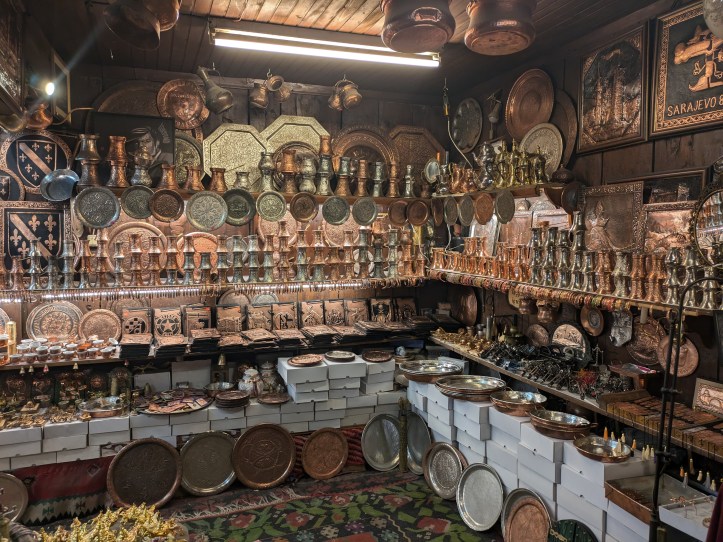
We then went to what is known as “copper alley” to visit another coppersmith.
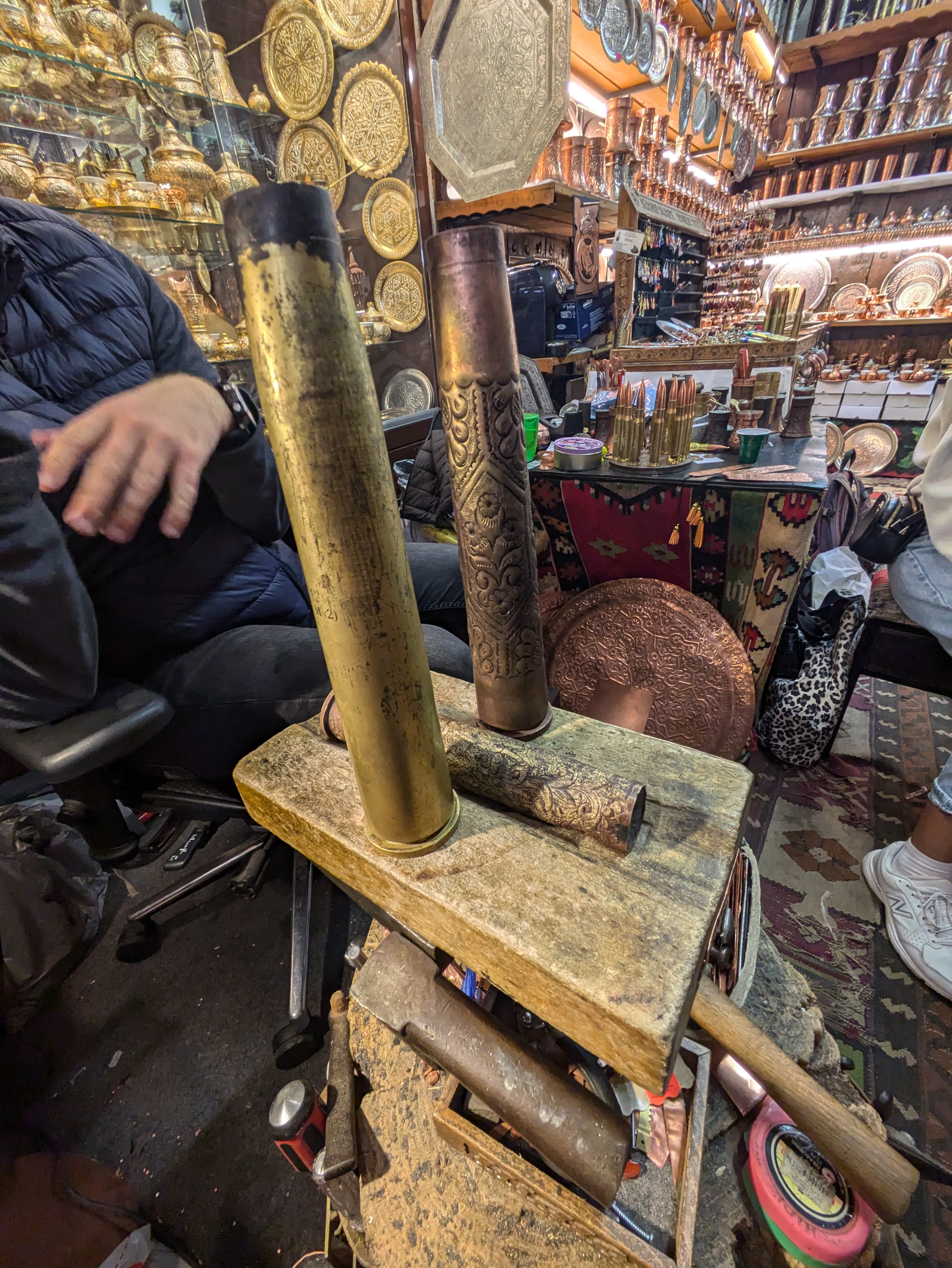
We were told it started as something that could kill and recycled into something that could bring joy.

We then visited Aščinica Stari Grad. An “Aščinica” is a takeaway homemade food restaurant. Many traditional Bosnian dishes like stuffed paprika (capsicum) and stuffed zucchini and onions plus stews and goulash.
A buregdžinica is a small bakery that you find everywhere selling what is referred to as pita which is pies including the well-known bureks. We visited Buregdžinica Bećiri and tasted the cheese and spinach pie and the meat ones which are what they refer to as burek.
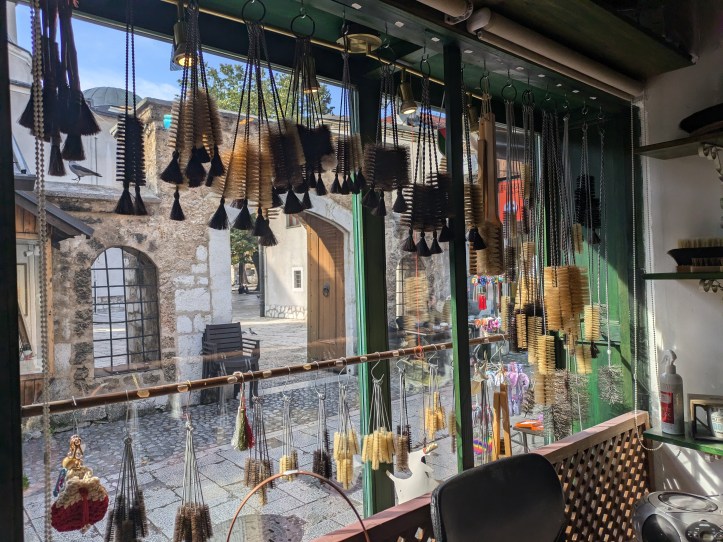
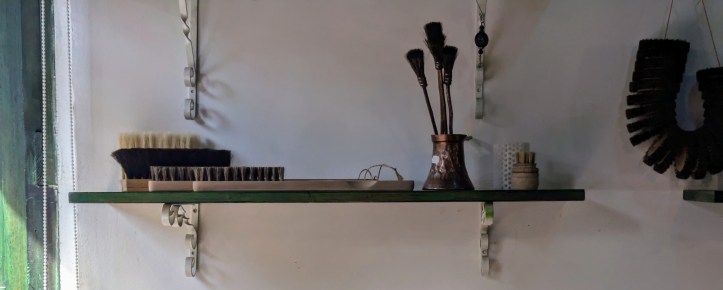
Hand-made brush store

A cevabdžinica is a BBQ or grill – fast food, Bosnian style. Piping hot somun bread with kajmak (Turkish version of clotted cream) raw onions, and as many cevapi (small sausages) as you want. We visited Cevabdžinica Nune which was very good. It was all served with a large glass of yoghurt.

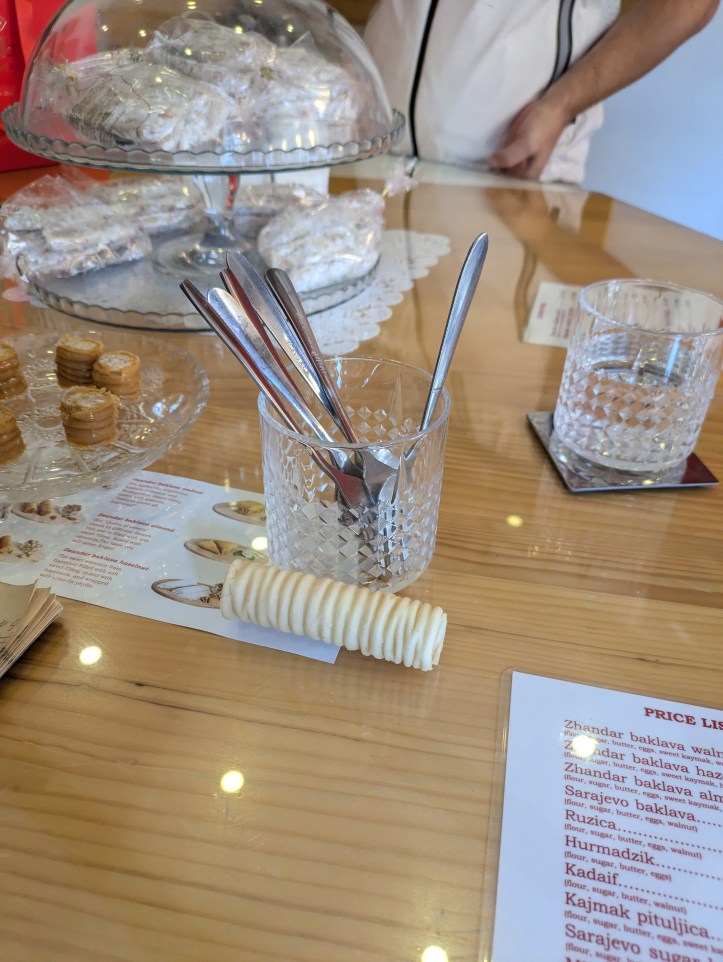
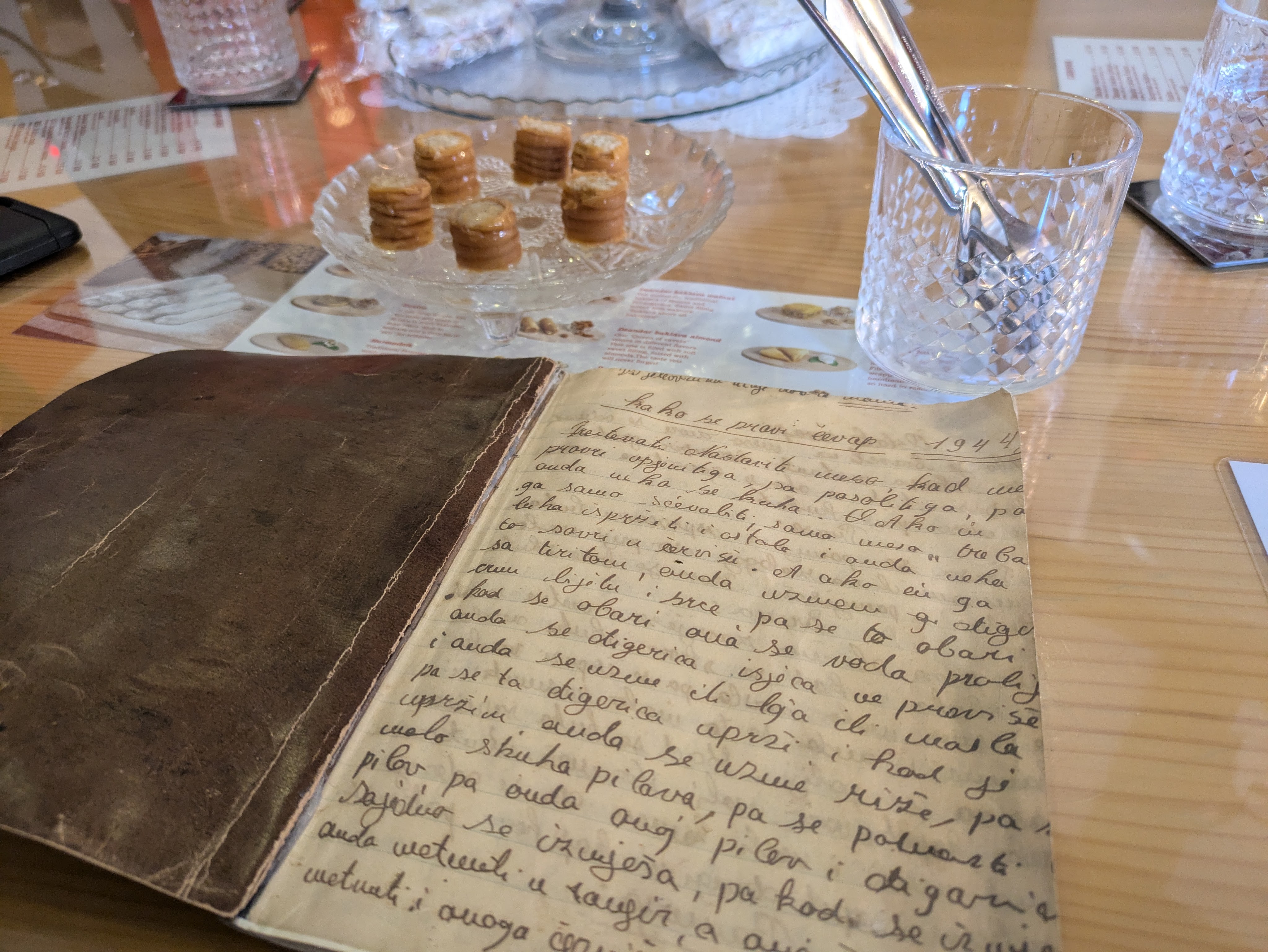
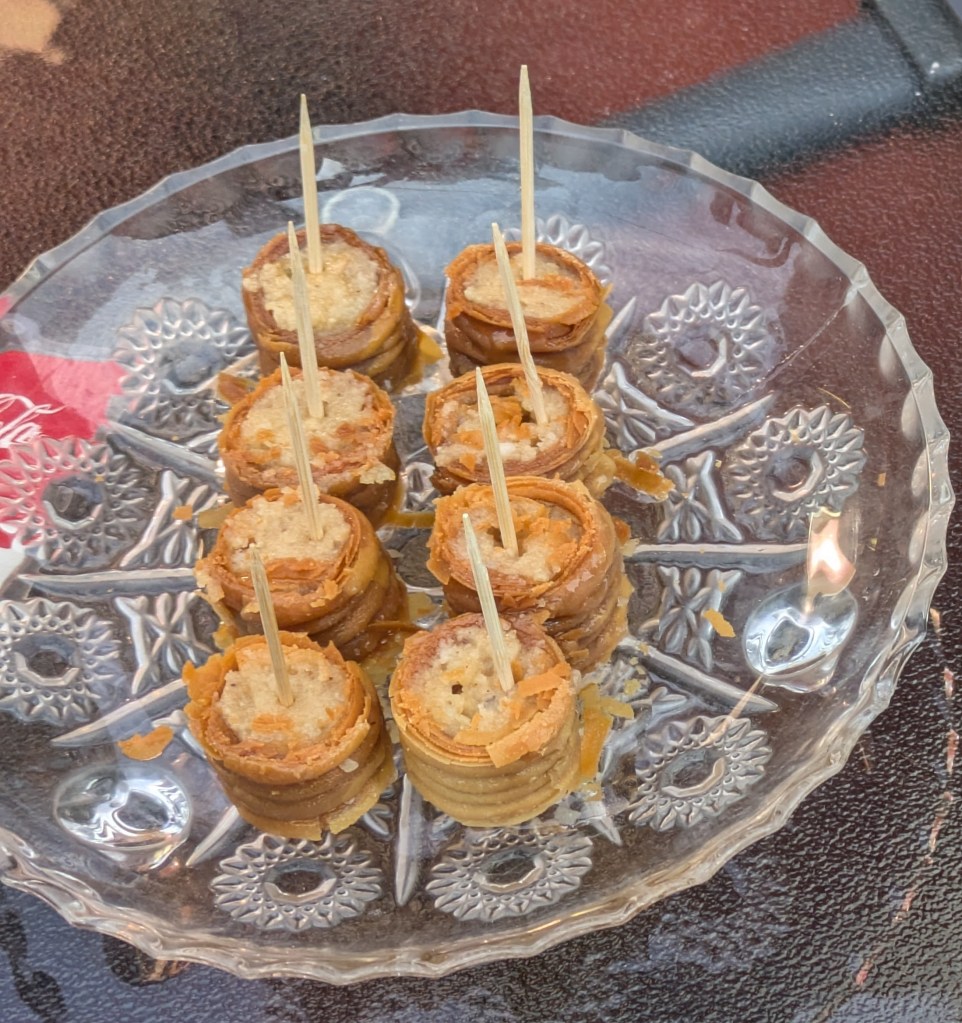
Baklava ducan and kaffe Miris dunja Baščaršija


Neither of us loved the coffee. It wasn’t terrible but just not for us.
Although I think I will try it once more somewhere else just to be sure.
 Our life in Spain