Our last week in Sarajevo we made another overnight trip to explore Mostar and Blagaj in the south.
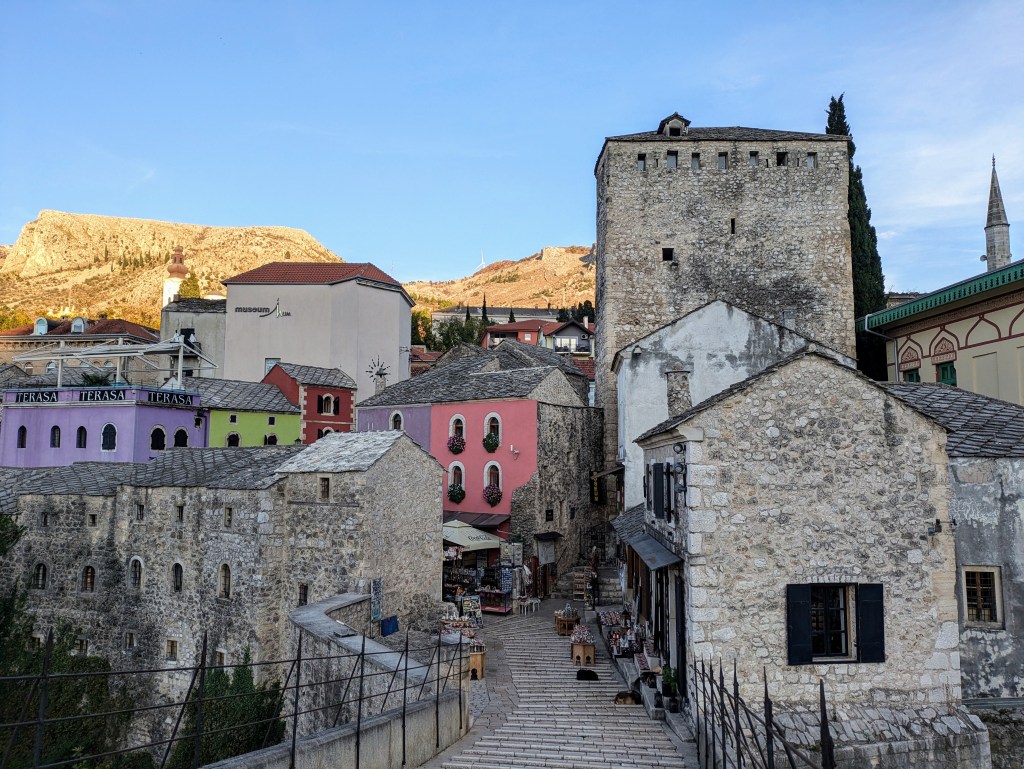
Mostar is located in Herzegovina just an hour from the Croatian border. It is a beautiful town with an iconic old bridge that is famous for people diving from it. The town is a popular day trip for people staying in Dubrovnik and Split and we were very happy to not be there during summer when it gets very busy.
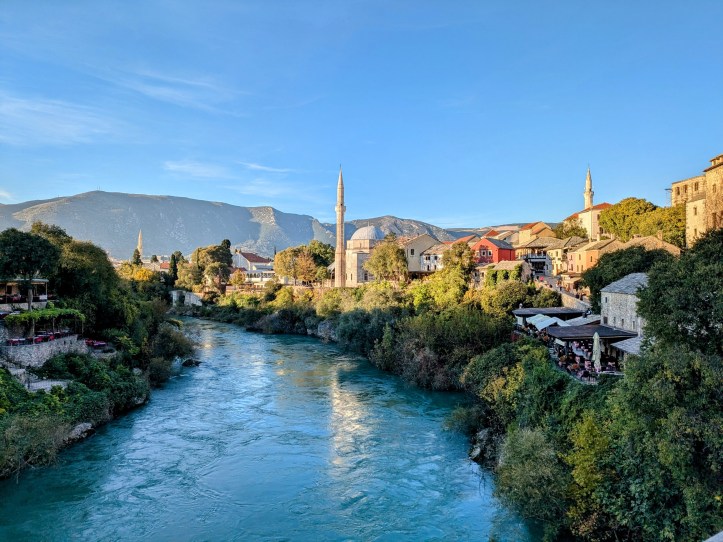


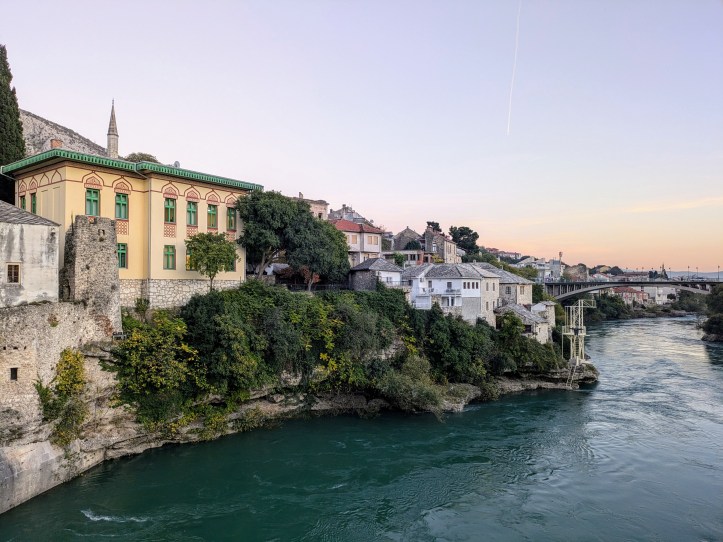
Mostar: the city’s name is derived from “mostari” meaning bridge keepers.
The bridge was originally built in 1566 by architect Hayreddin who was a student of Sinan (a famous Ottoman architect). The bridge itself was a great symbol of Bosnian multicultural and Ottoman presence, and it replaced the older, wooden bridge connecting two parts of the city divided by the Neretva River.
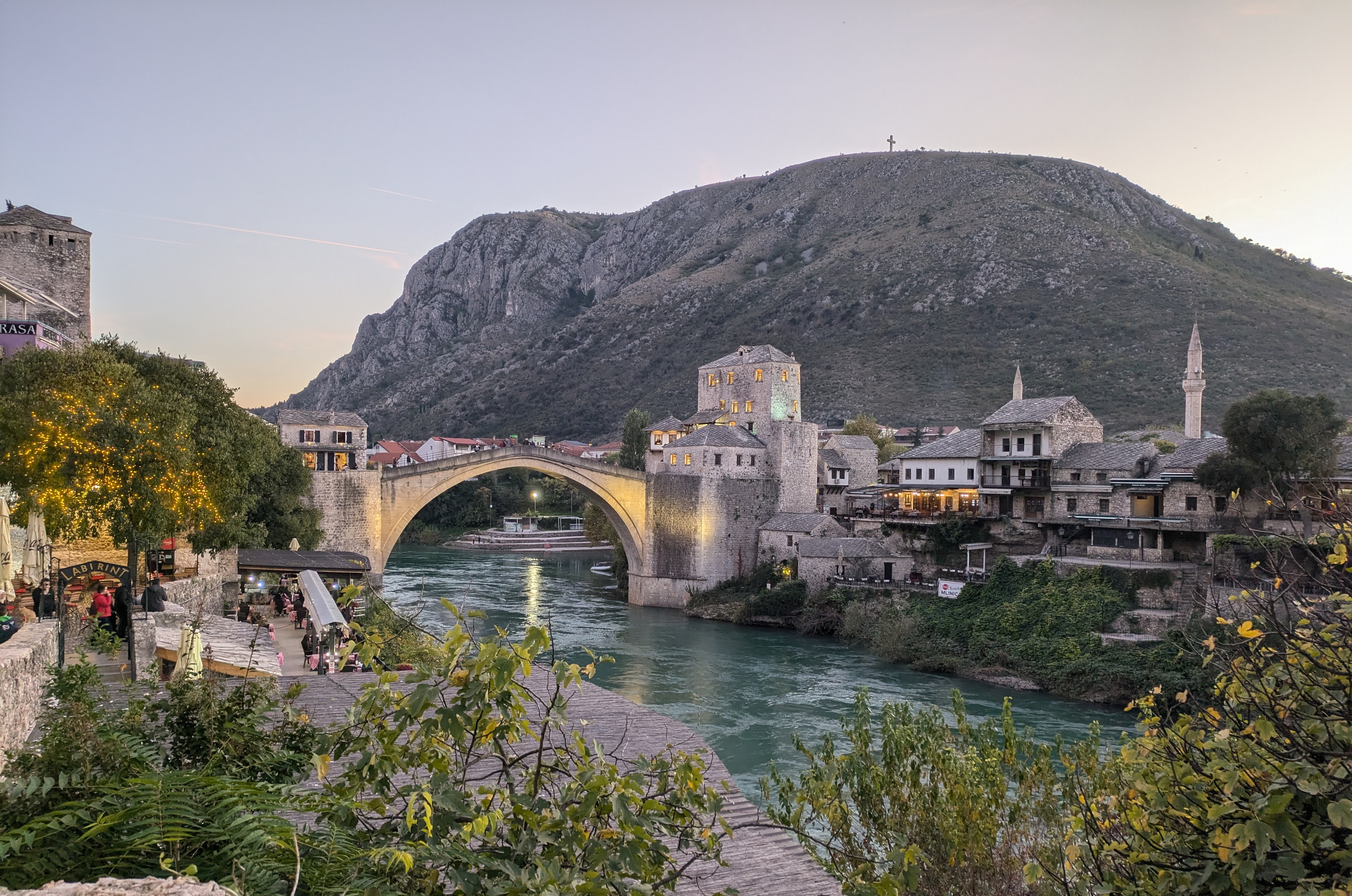
Unfortunately, during the Balkan War, on November 9th, 1993 the bridge was destroyed and what we can see now is the rebuilt version. Until its destruction, it had been used for 427 years. Stones from the original bridge were used to complete the new structure that was finished in 2004. The bridge and the old town were both listed on the UNESCO World Heritage List in 2005.
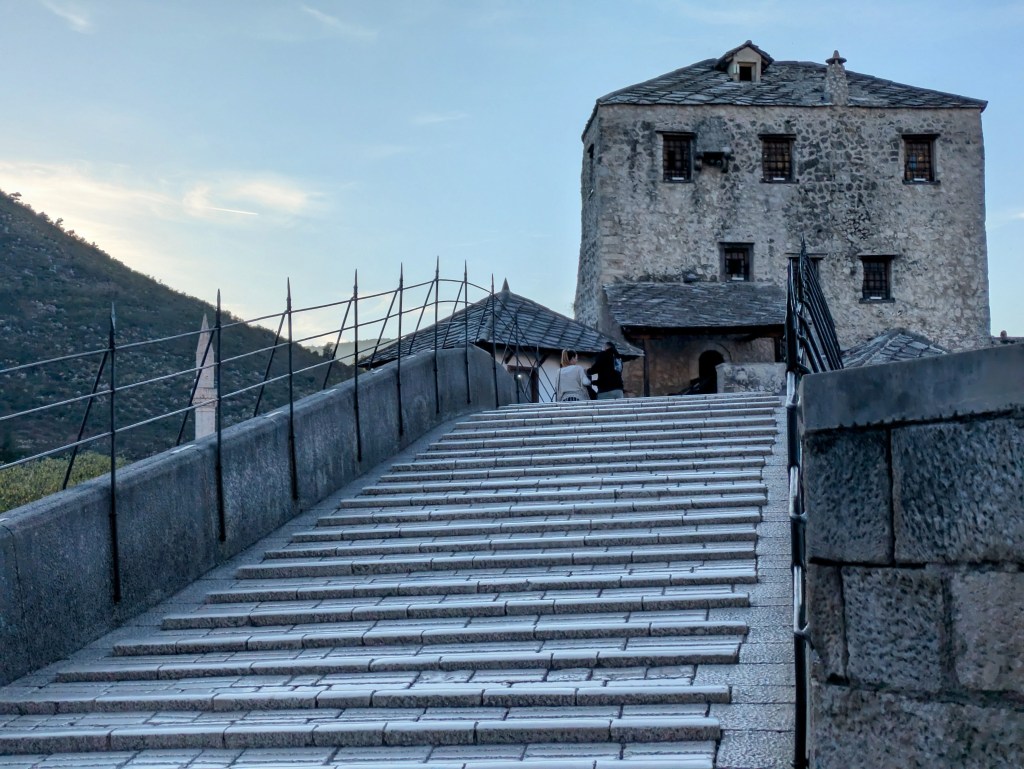
The bridge is only 30 meters long and 4 meters wide but crossing it can be a bit tricky because it is surprisingly steep and very slippery.
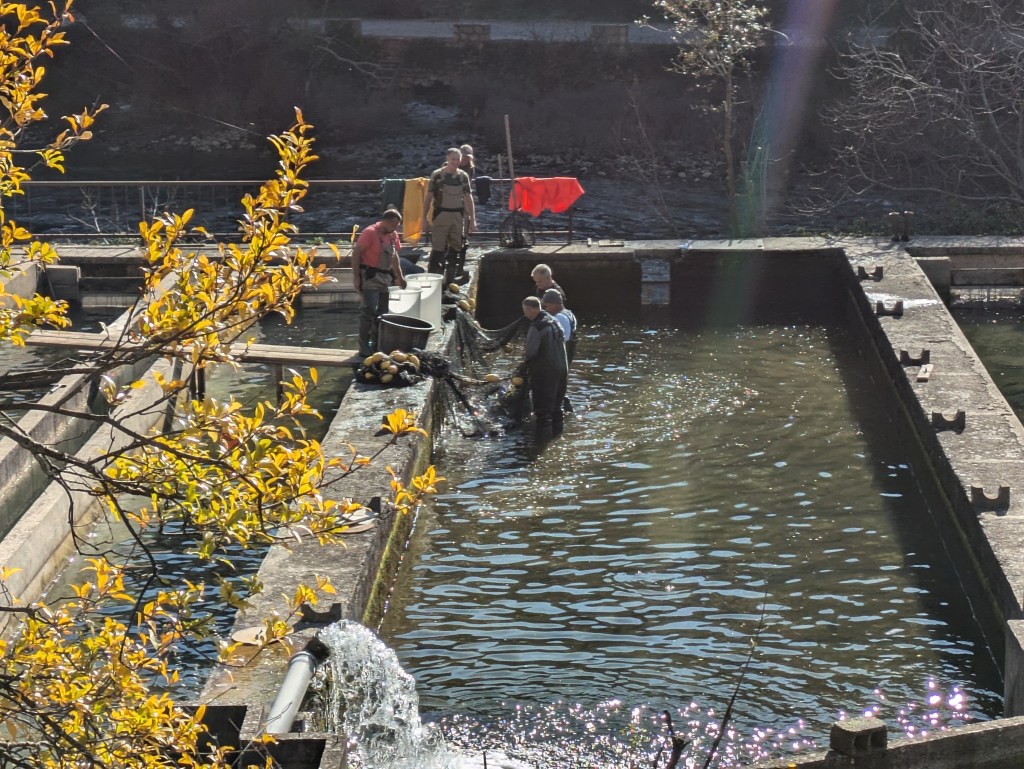
We also visited Blagaj a historic village and protected heritage site which straddles the Buna River the largest underground river in Europe. It was a lovely old village and the river even had a small fish farm on it.

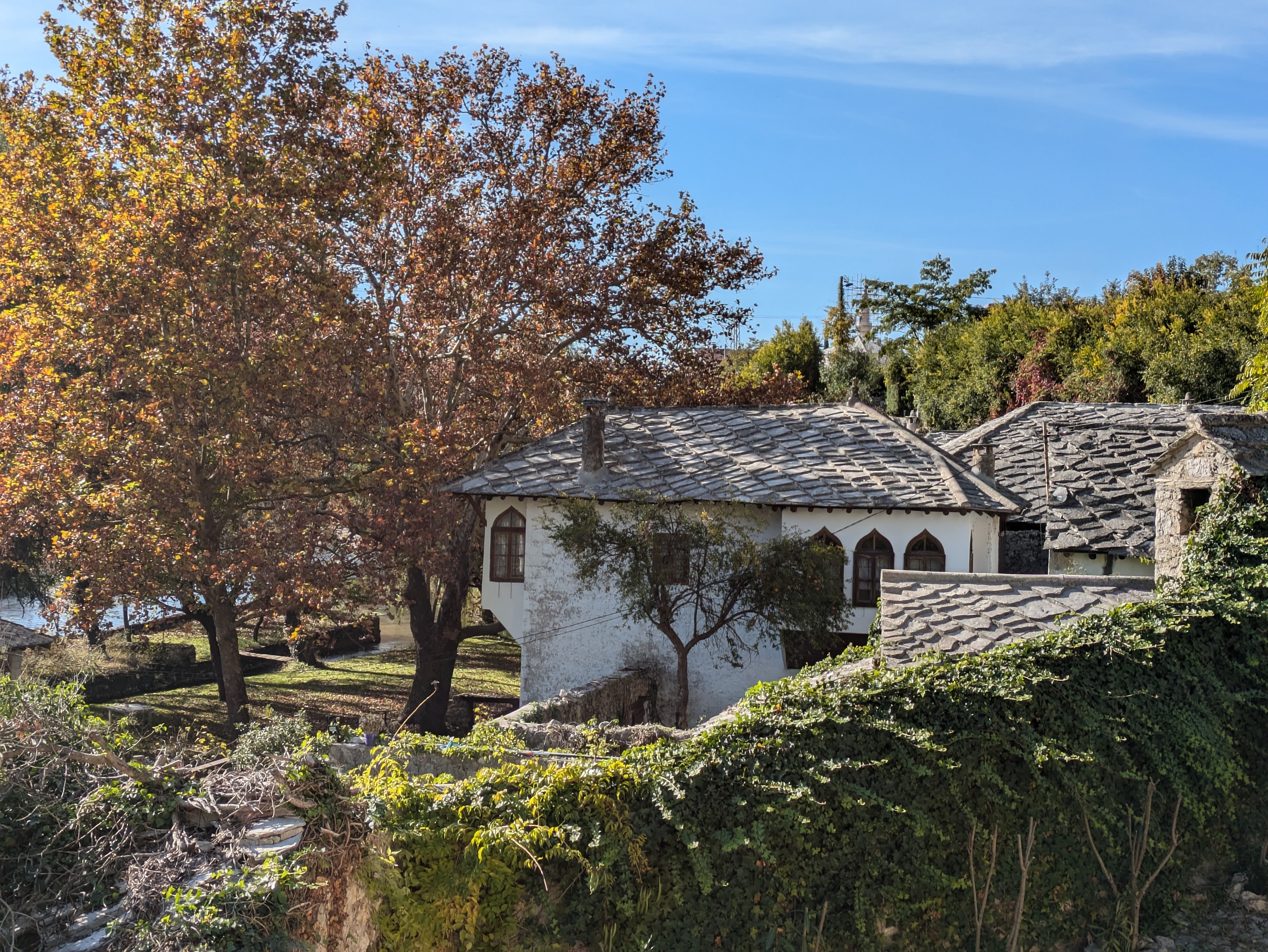


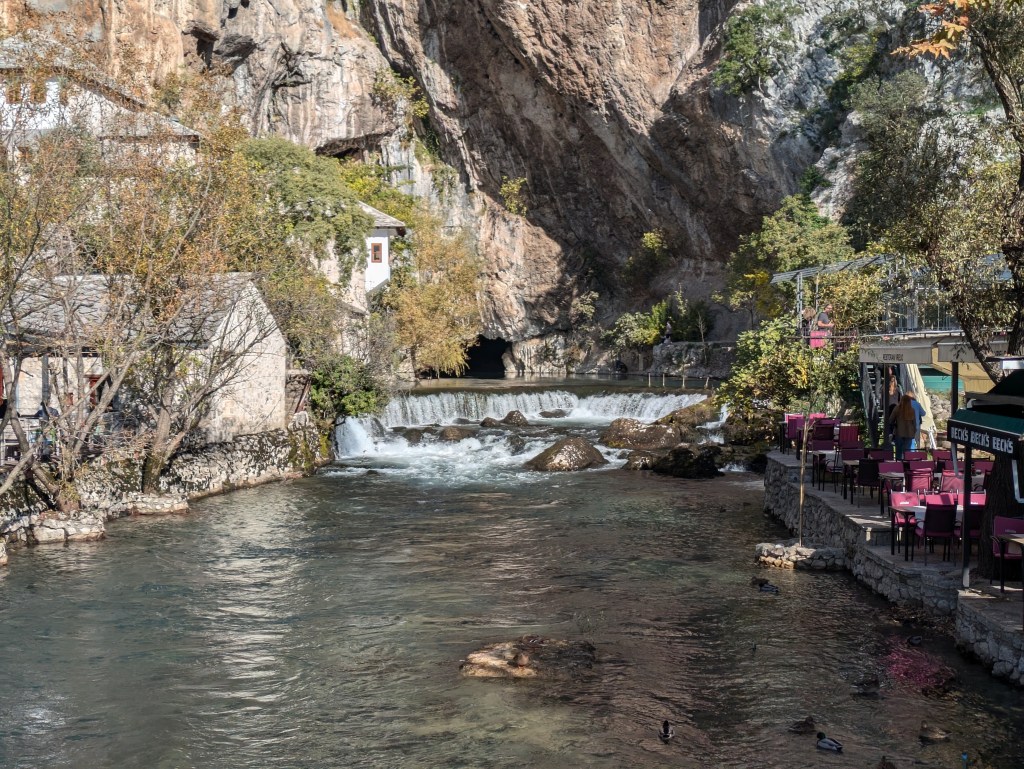
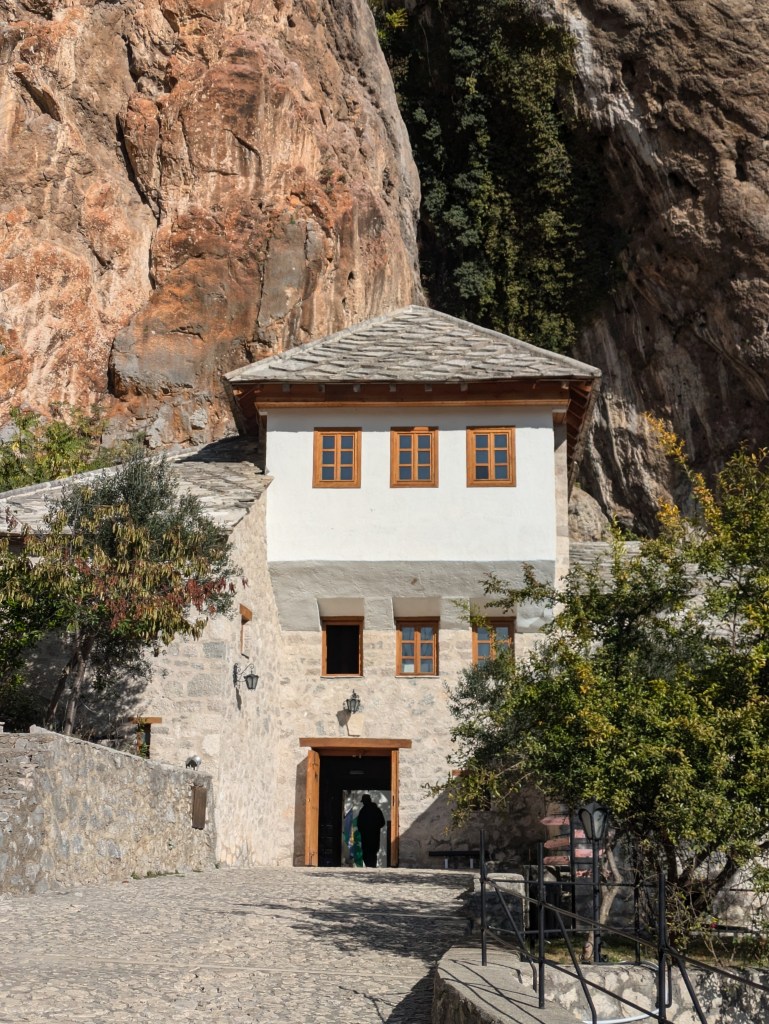
Blagaj’s main attraction is the picturesque Dervish monastery, Blagaj Tekke. (a tekke is a house of rest or retreat for travellers kept by a religious order) The monastery itself was built in 1520 by the Dervish, a mystic branch of Sufi Islam known for rituals that involve various forms of whirling.

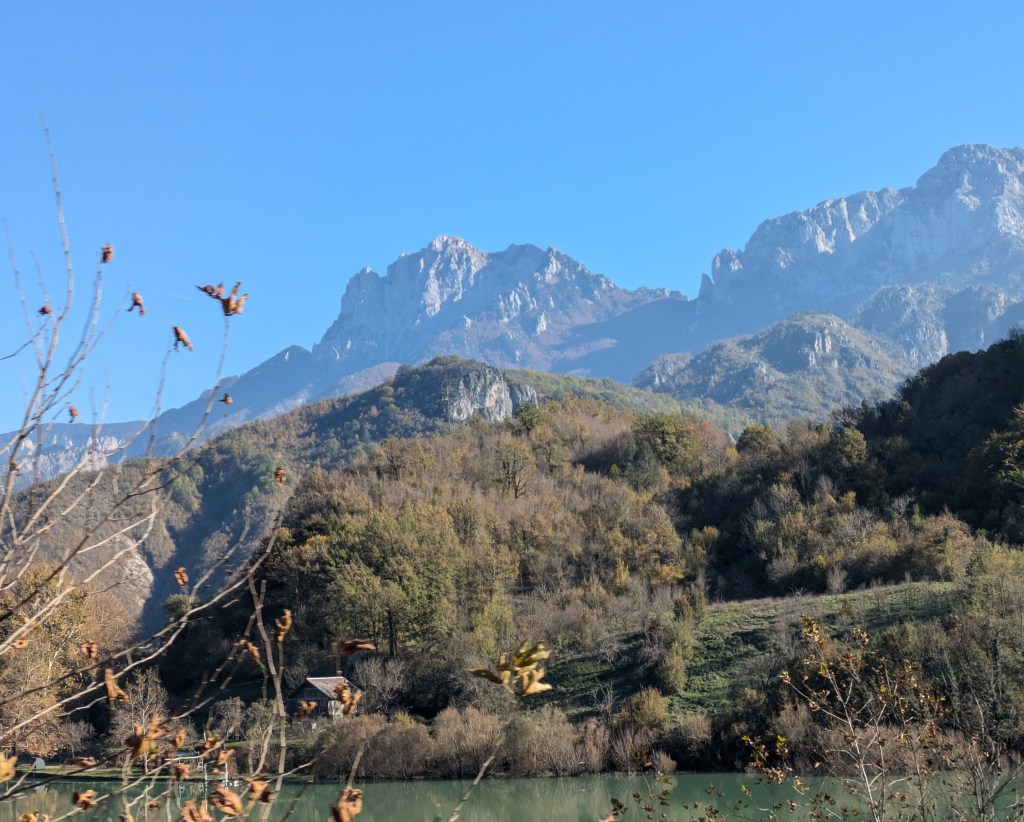
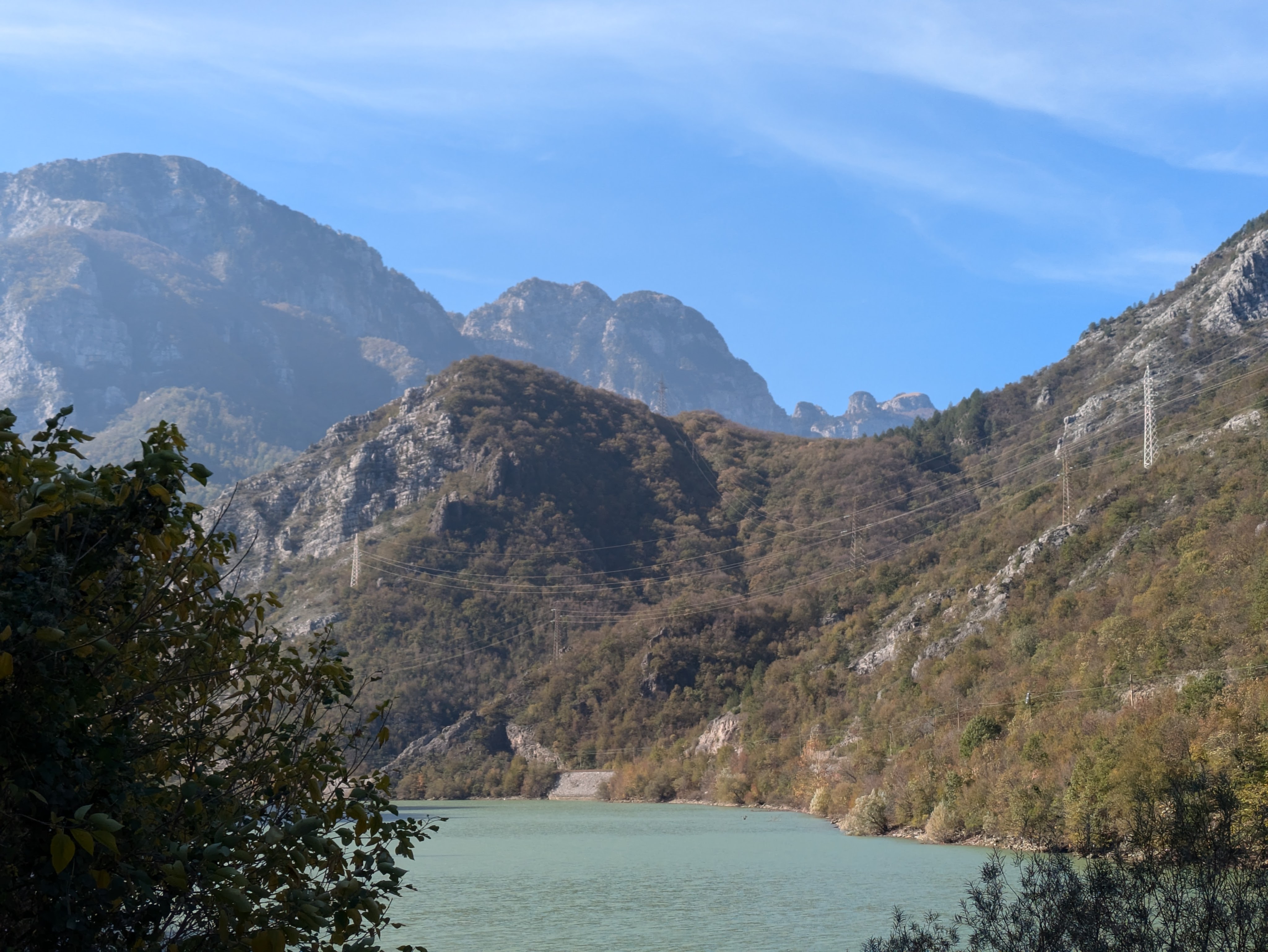
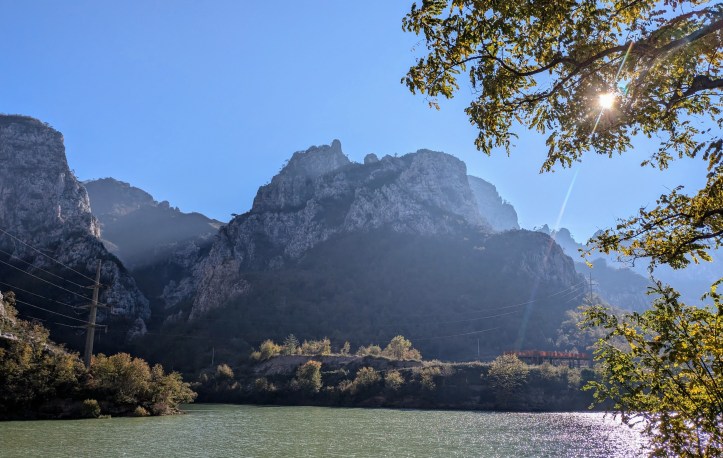
We drove through some beautiful country on the way to Mostar and on our way back we stopped for lunch in Jablanica which is renowned for its roast lamb restaurants.



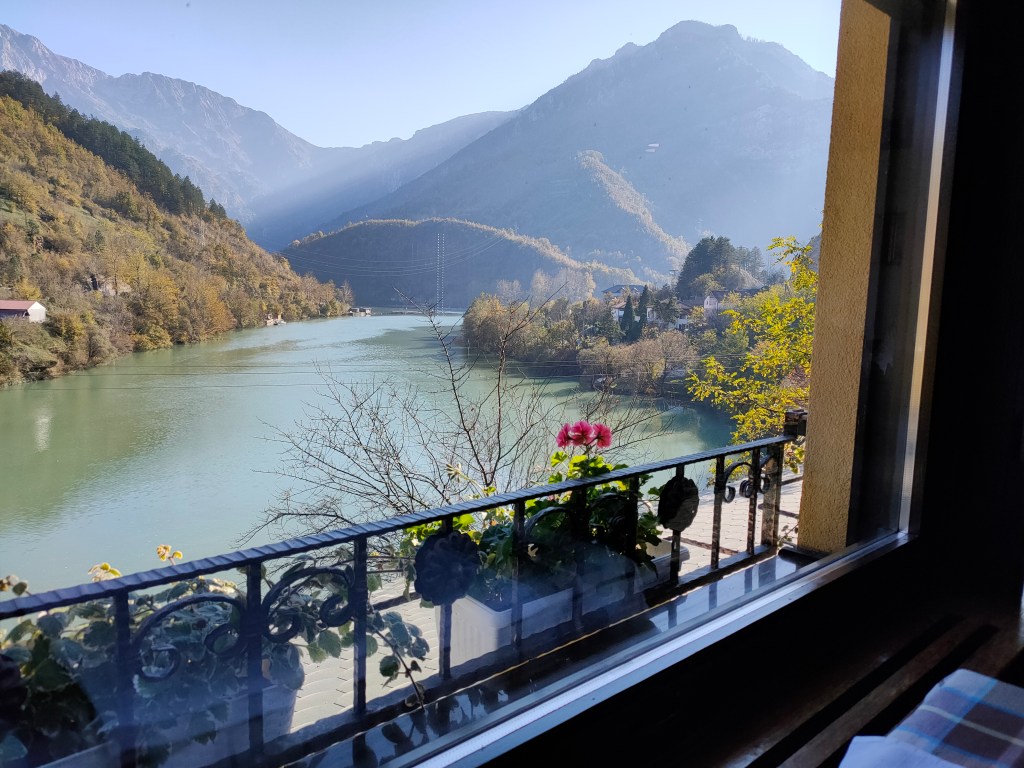
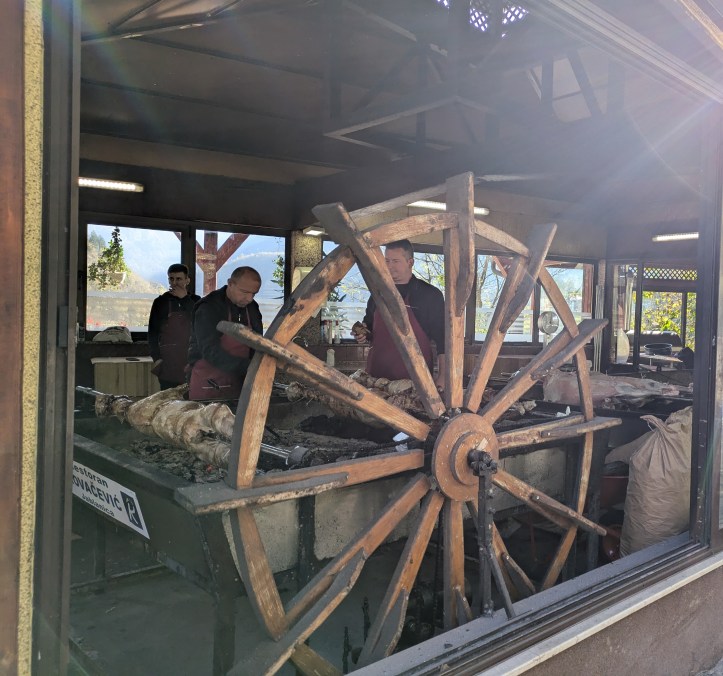
We did plan on also visiting Tito’s Bunker in Konjic, but unfortunately in the week that we first arrived in Bosnia and Herzegovina there were very severe flooding in the Jablanica and Kojic area and the bunker was still closed for visits.
 Our life in Spain