After we left Pula, we spent 3 nights driving across northern Italy to get to Arles in Provence, France, our next stop on the way to Spain. On our last night in Italy, we stayed in the small village of Seborga, in the hills behind the coastal holiday town of Sanremo.
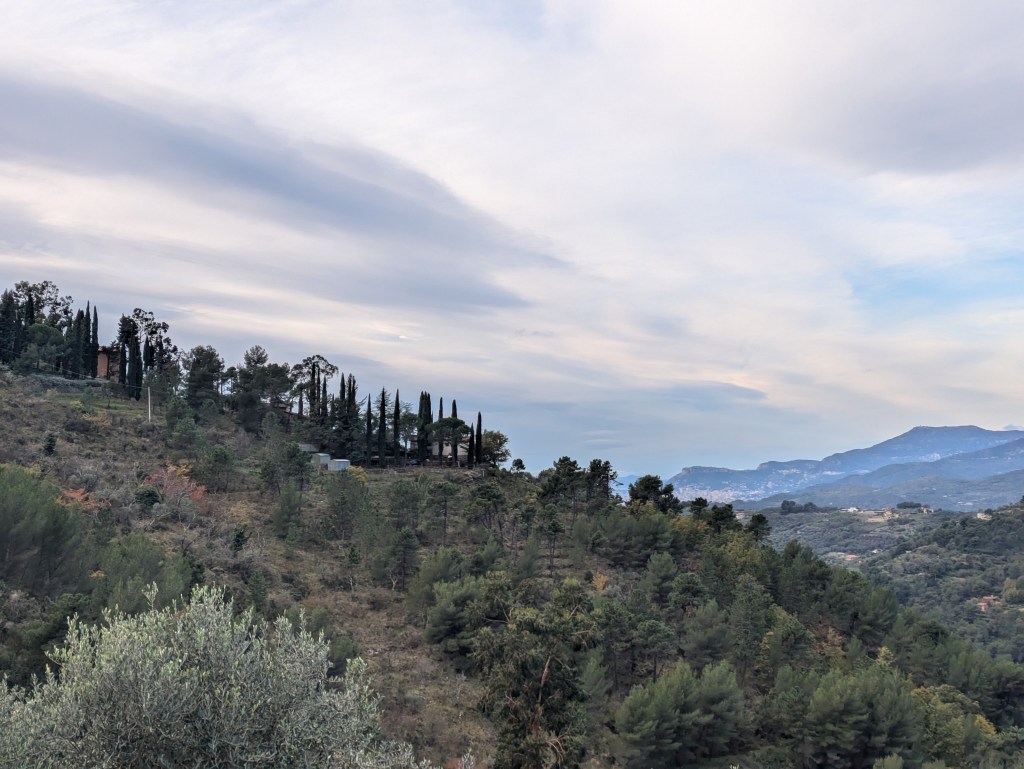
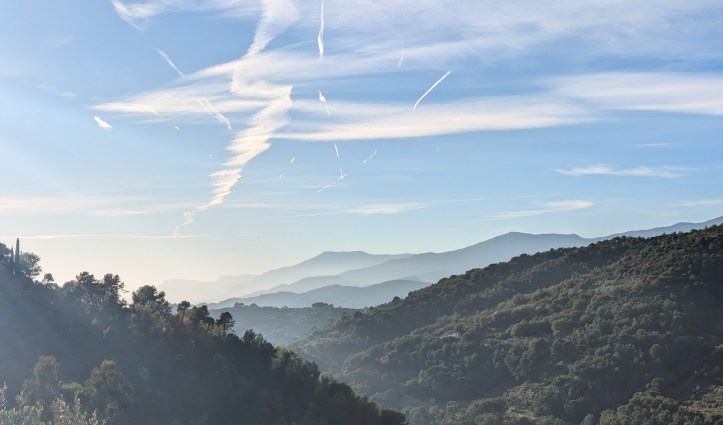
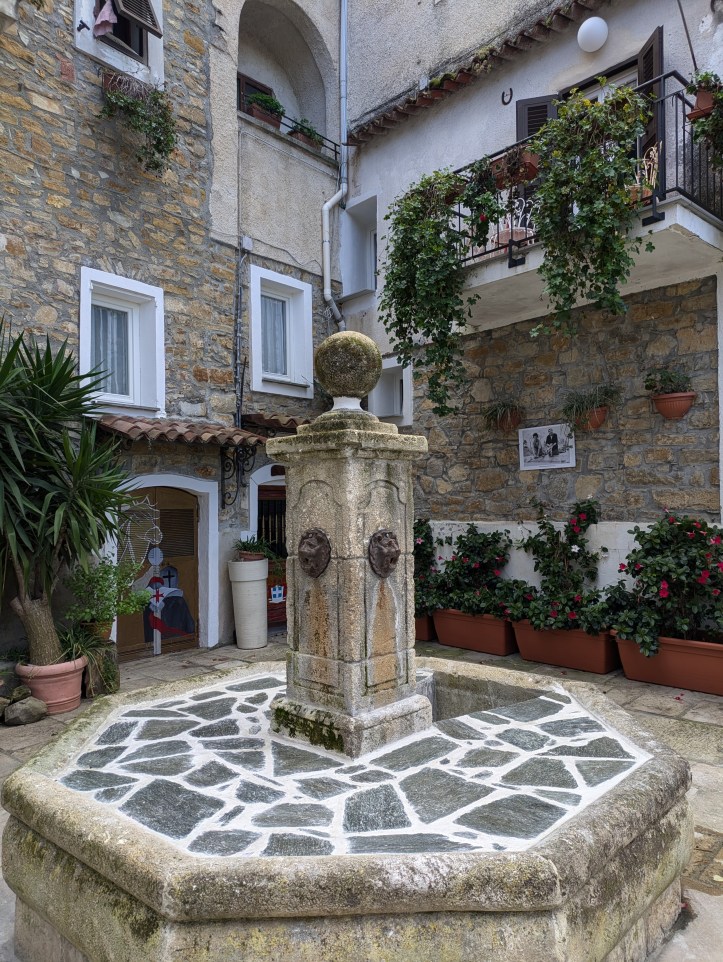


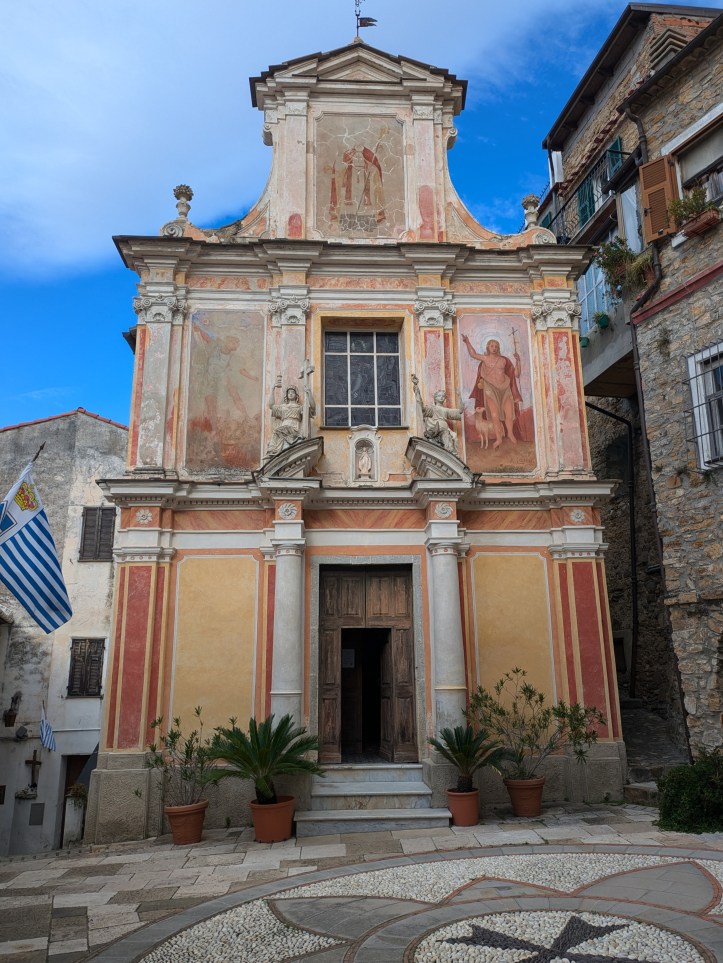
Seborga (or technically the Principality of Seborga) is a small village and self-proclaimed principality in the region of Liguria near the French border. Administratively, it is a comune of the Italian province of Imperia.
Once owned by the counts of Ventimiglia, Seborga was donated to Benedectine monks based on the Lérin Islands (off the coast of Cannes) and became an “Imperial Principality” in the Holy Roman Empire during the 11th century. In 1729 the King of Sardinia wanted to buy Seborga from the monks, but the legal documents to certify new ownership were apparently not registered properly. Later, when the Kingdom of Sardinia became the Kingdom of Italy, the principality, according to one line of reasoning, didn’t technically go along for the ride. The same for when Italy became a republic in 1946. Less than two decades later, Giorgio Carbone, a flower entrepreneur, having discovered the omission through research in the Vatican’s archives, decided to lobby for Seborgan independence, putting forth the idea to the town’s residents, who voted their approval and elected Carbone prince for life in 1963. He was known locally as Sua Tremendità (‘His Tremendousness’). Carbone oversaw the creation of a constitution, currency, and stamps for the principality. While Seborgans enthusiastically welcomed a revival of their status as a principality, the powers that be (officials in Rome) were less sanguine. The Italian government recognises Seborga today only as a comune of Imperia. Seborga has a fascinating history, including that in 1118 the first 9 knights of the Poor Army of Christ (later Knights Templar) were ordained here. Among the first 22 Grand Masters of the Knights Templar, 15 were elected Princes of Seborga. Templars returning from Jerusalem would arrive in Seborga with relics from the Temple of King Solomon.


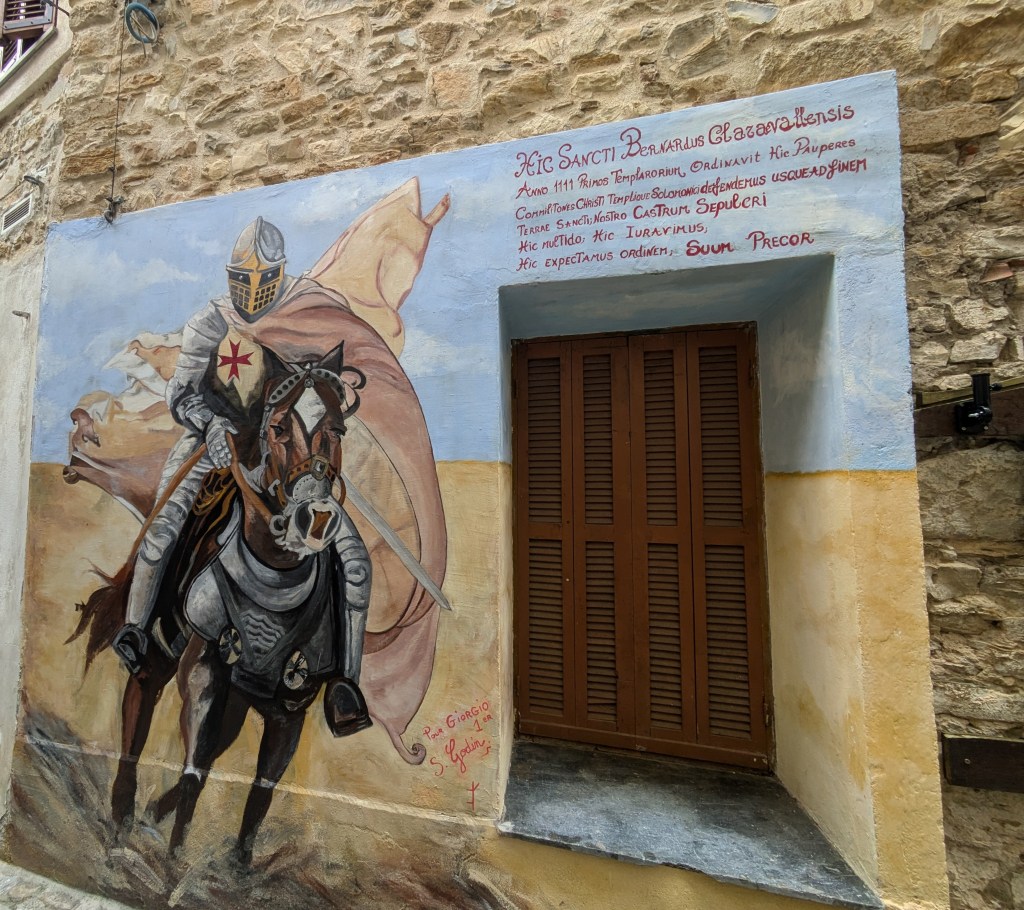
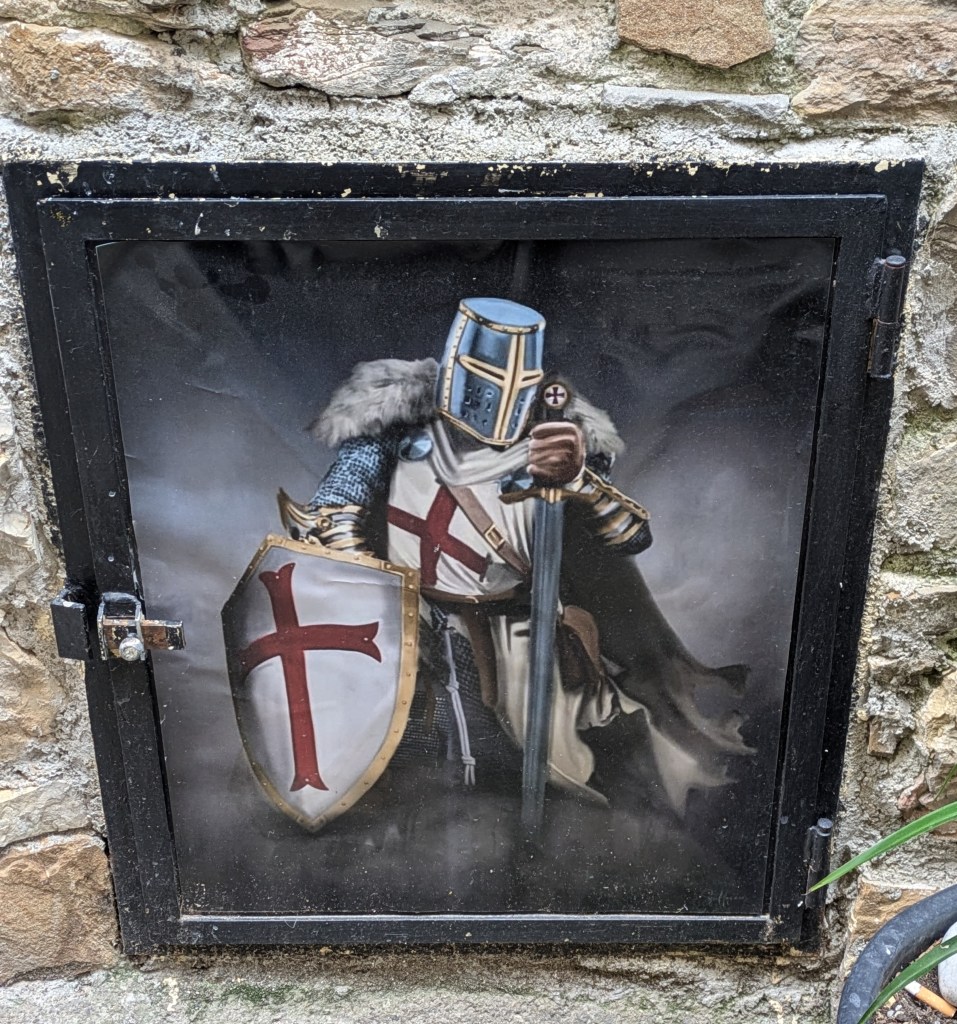
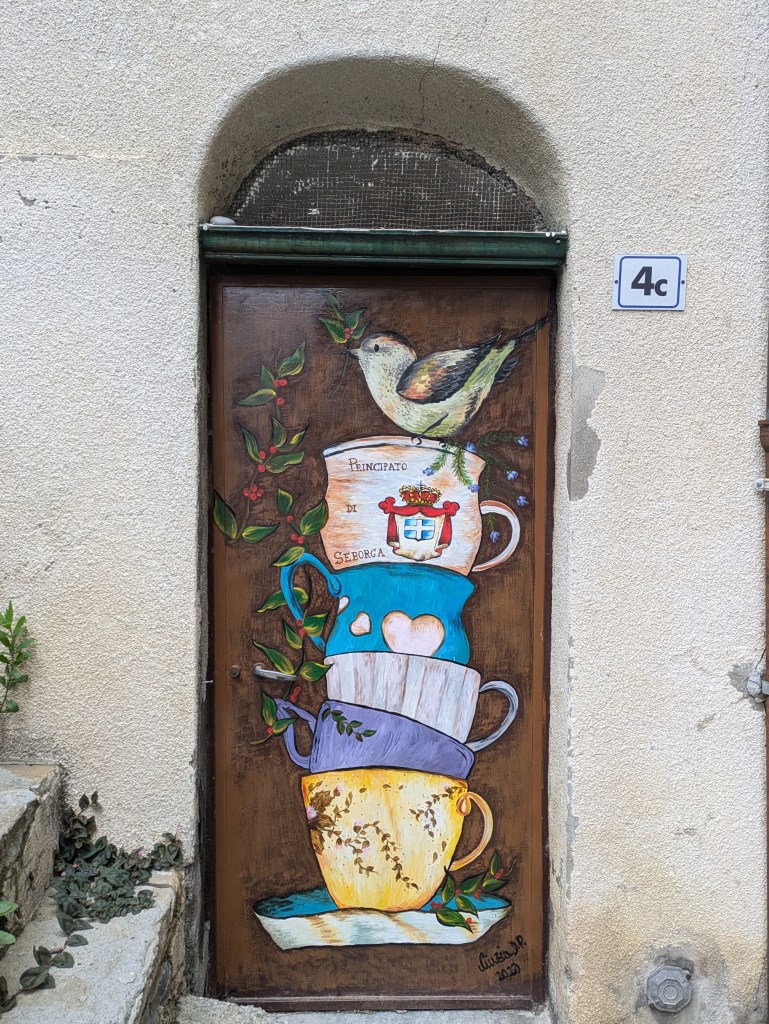
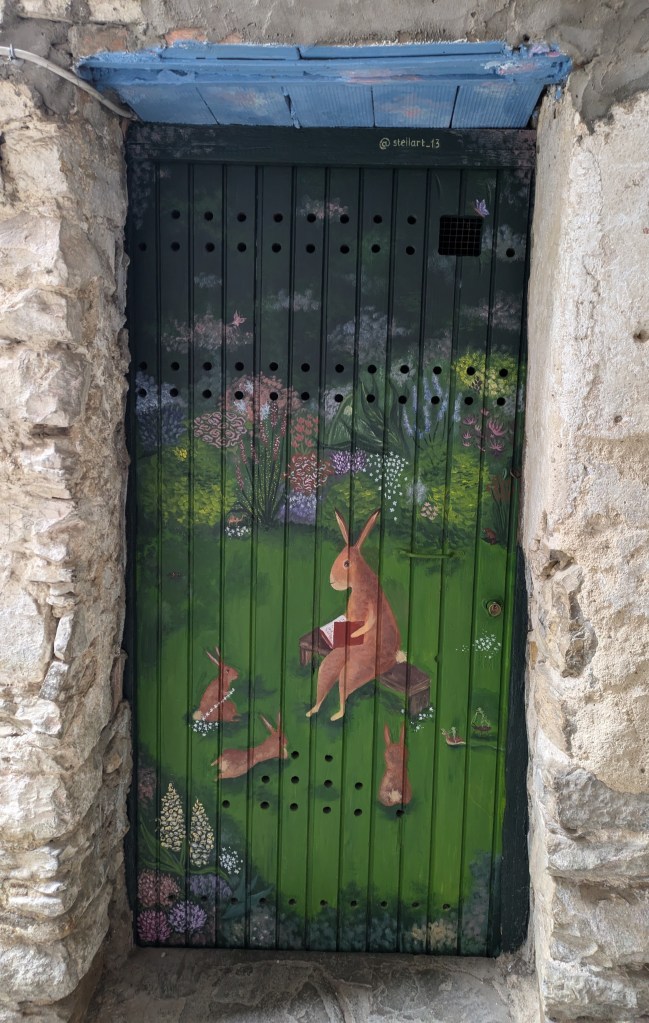
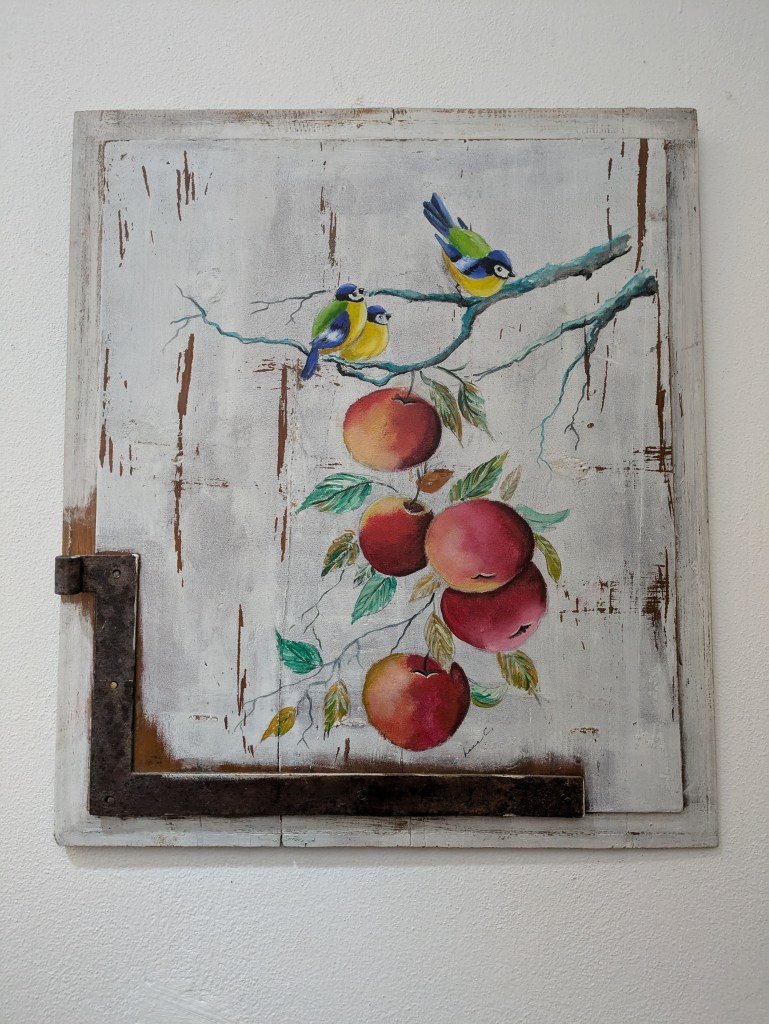
We loved all of the painted doors in the village, although we are unsure of the story behind them.
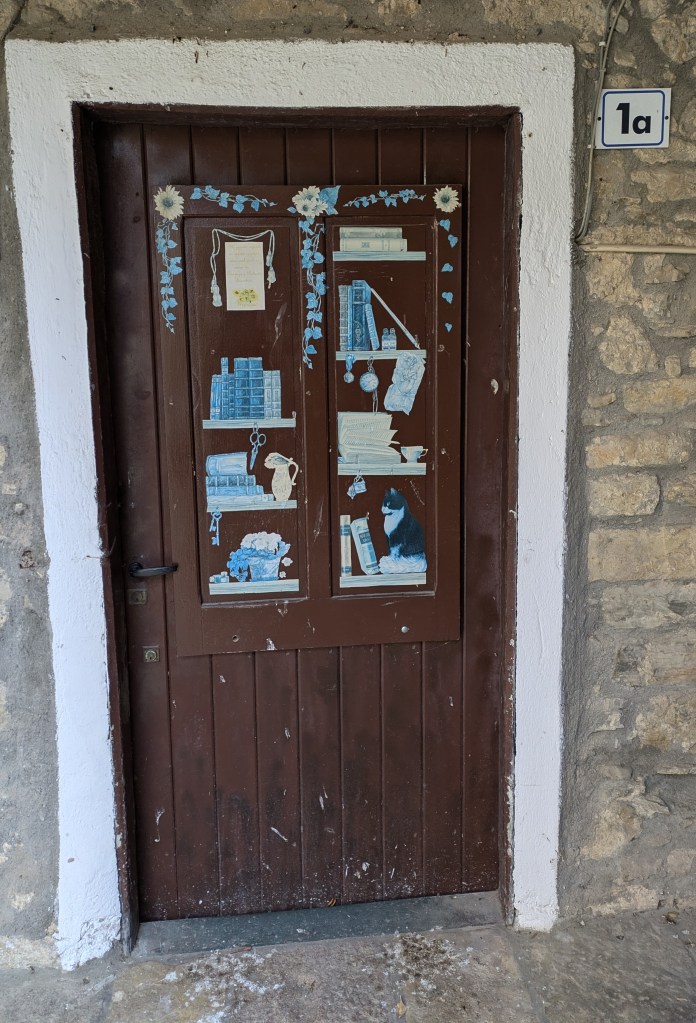
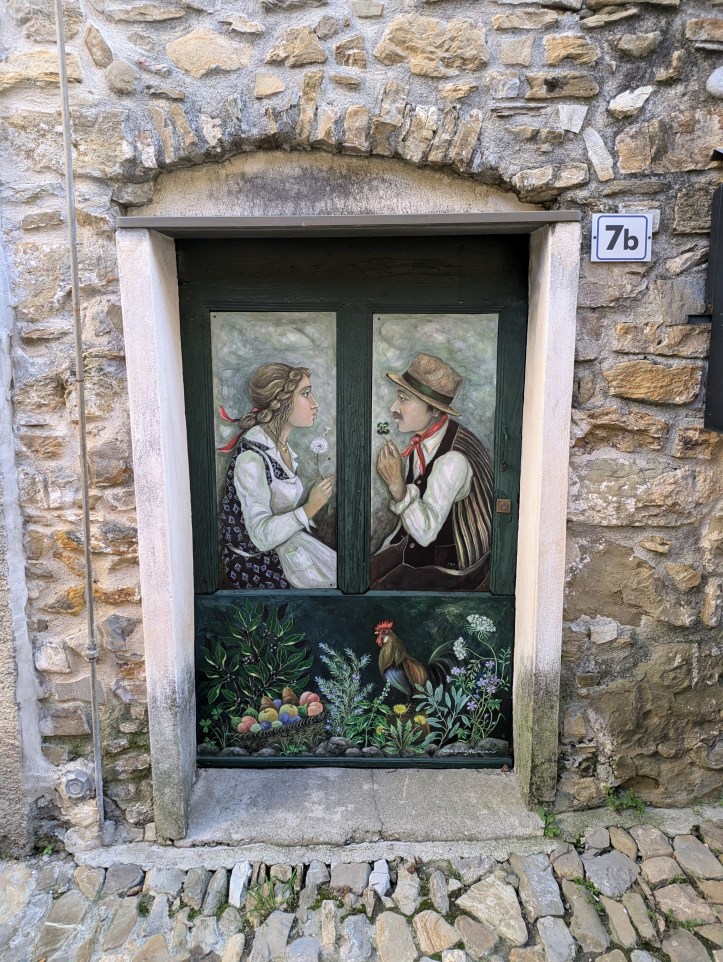

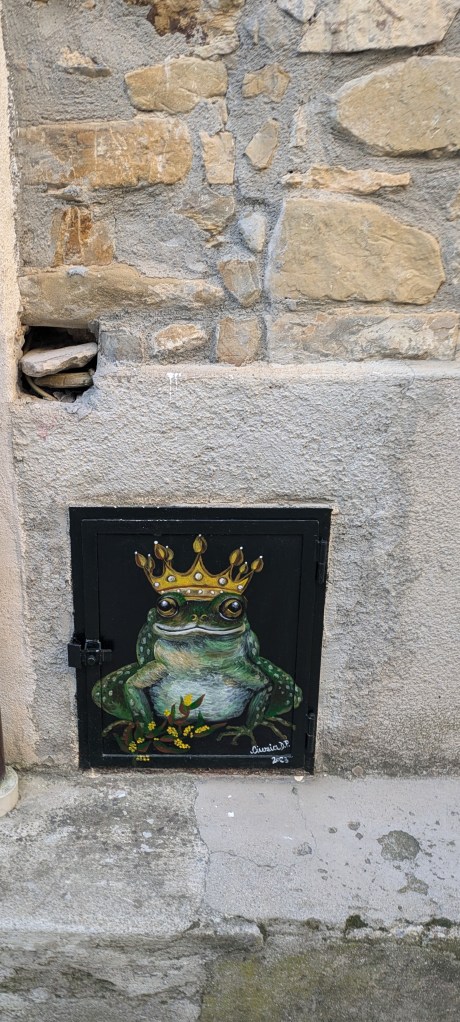
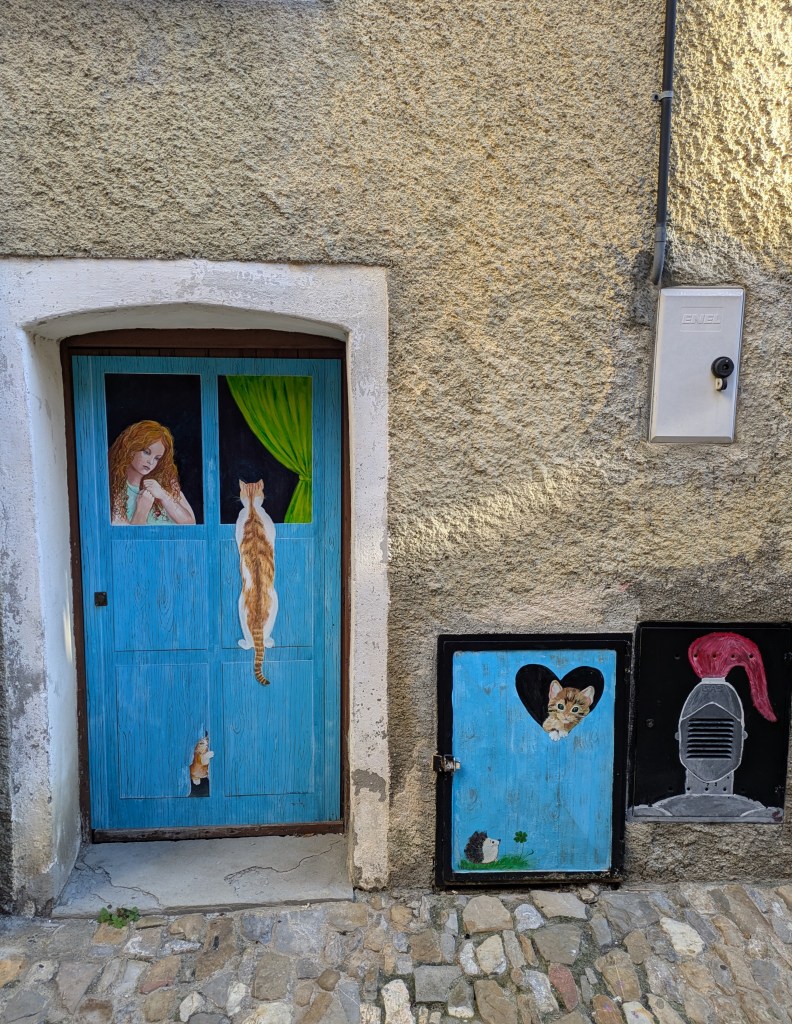

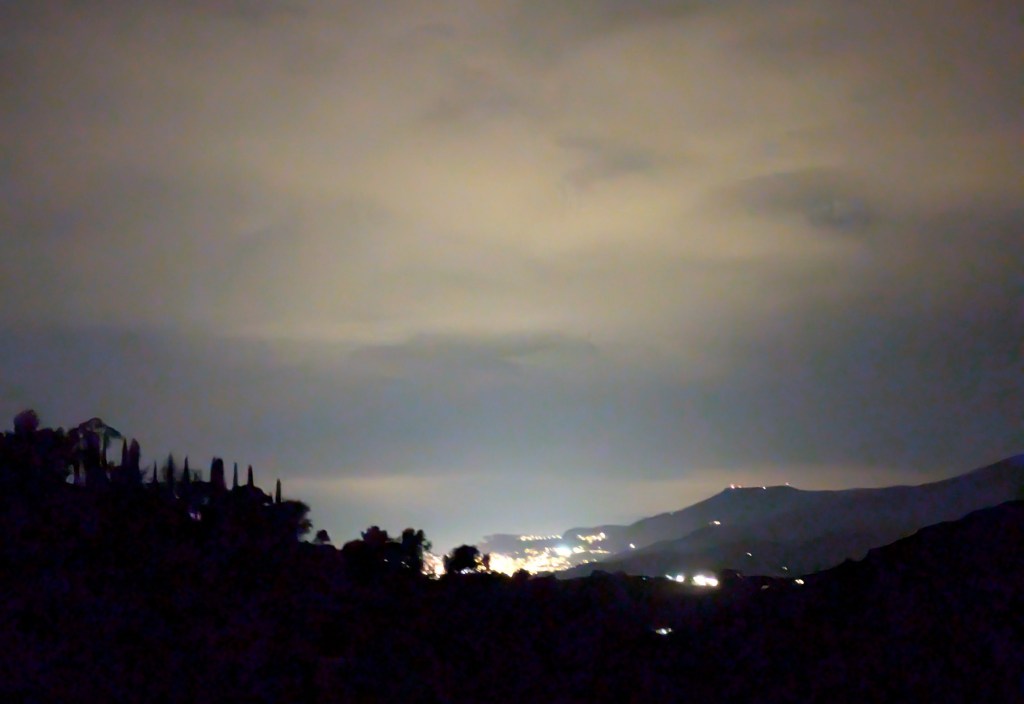
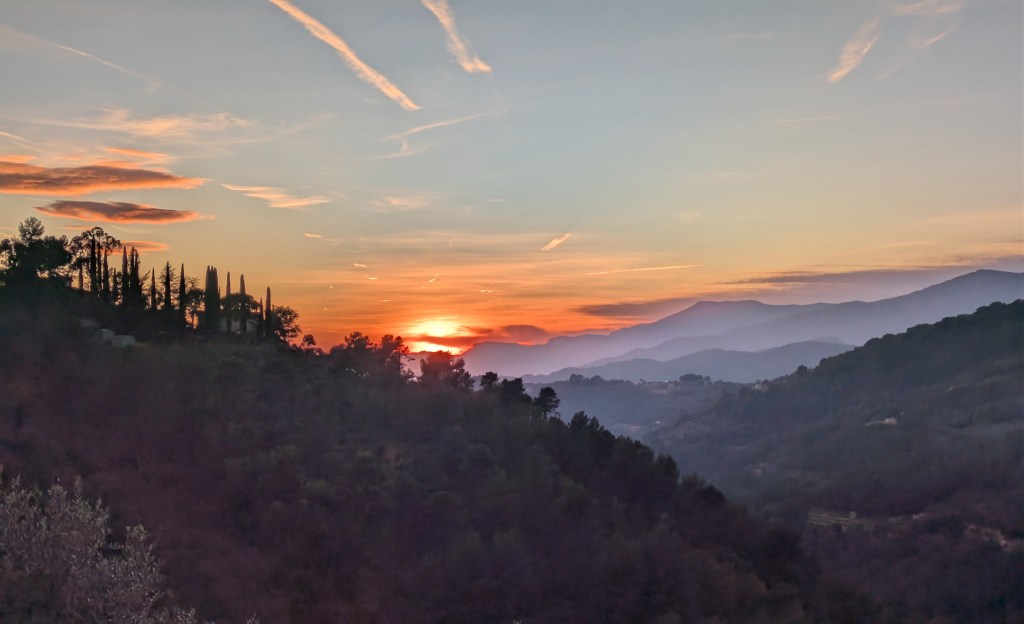
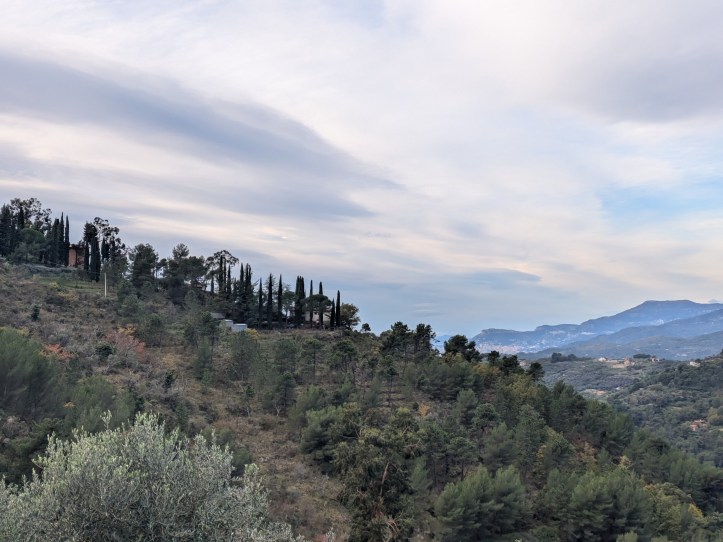
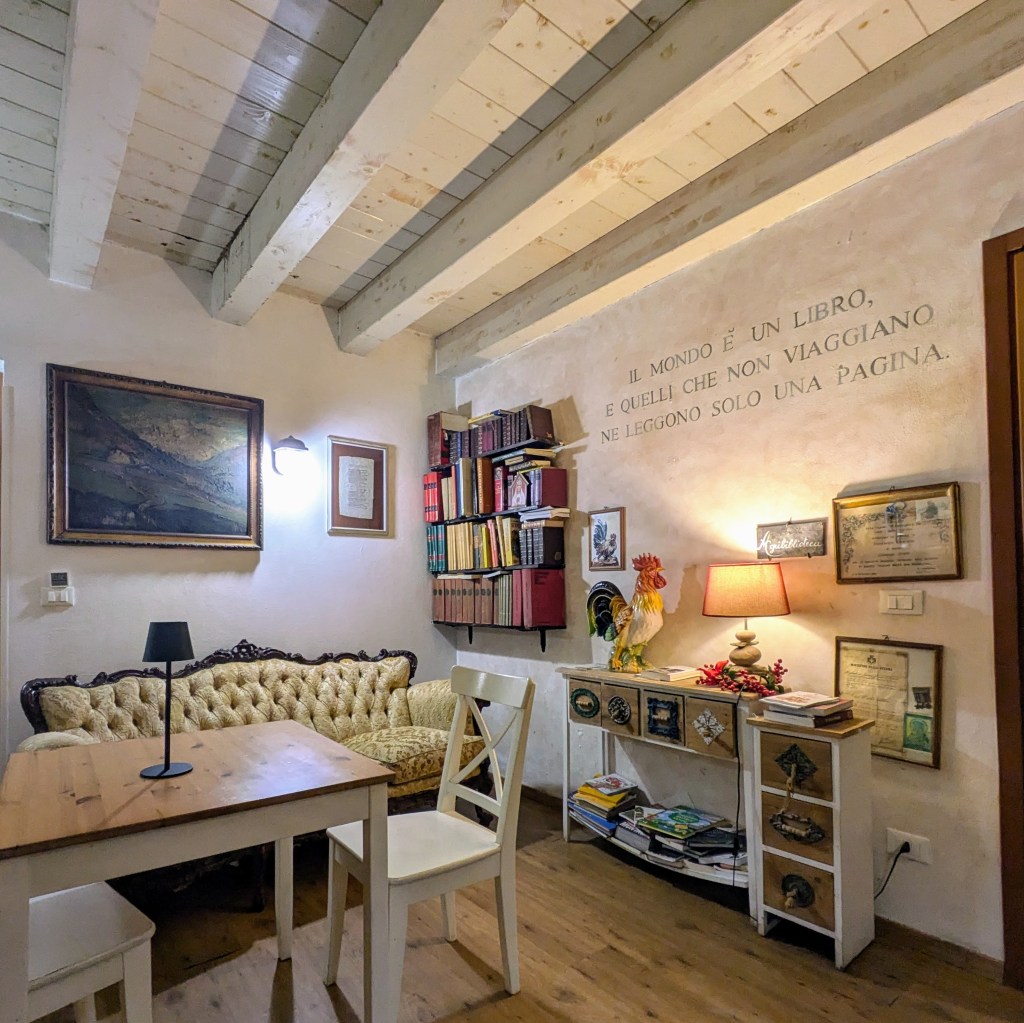
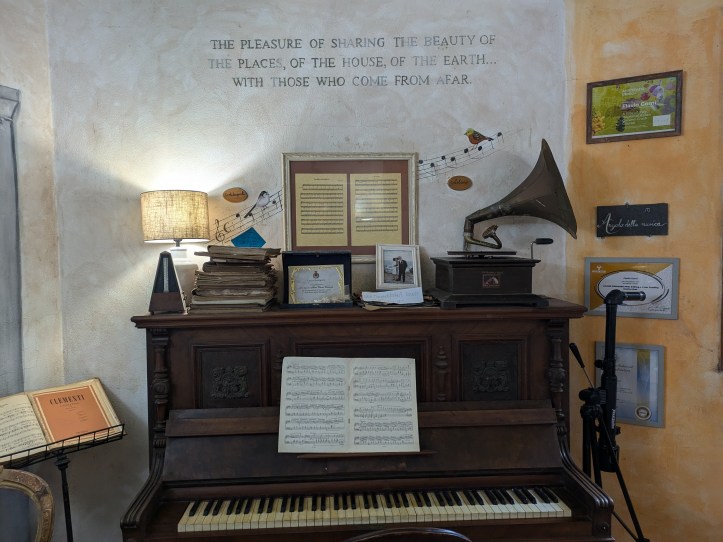
Located on the hills surrounding the village is the Agriturismo Monaci Templari. The agriturismo is certified organic, and their main products are olive oil and honey. The hosts were lovely, and their home was beautiful, decorated with hand paintings throughout, similar to the hand painted doors etc that we found in the village.




As the bee collects the juice of the flowers without damaging their colour or fragrance, so may the wise man dwell in the world.
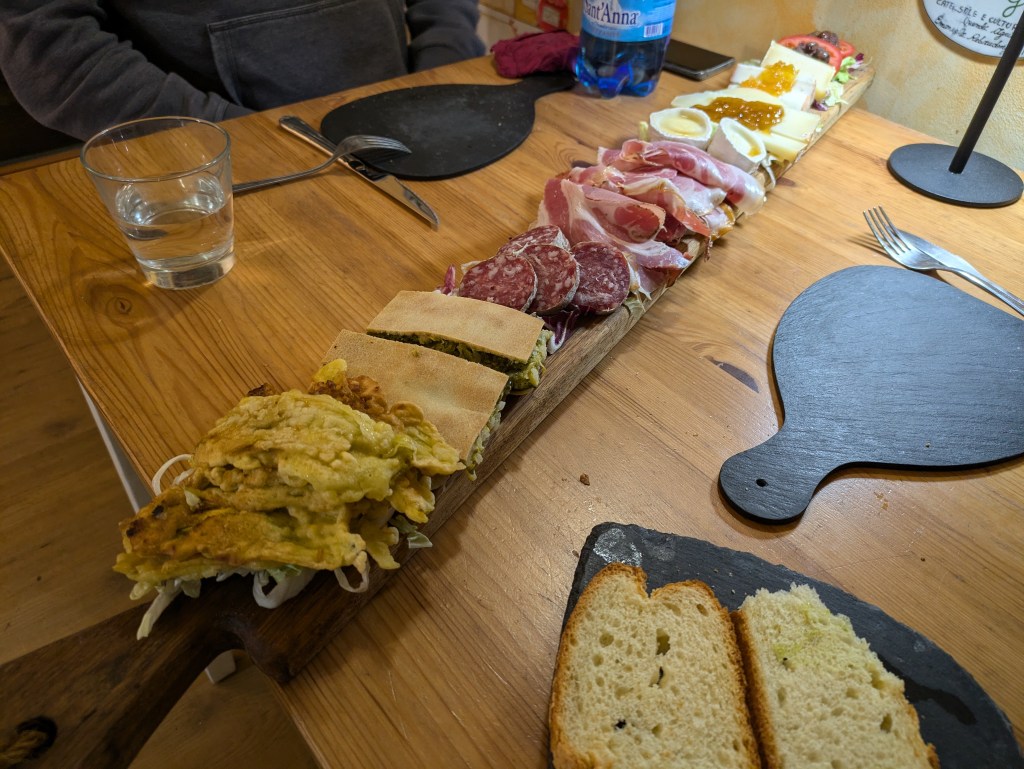
We ate dinner in the evening, and it was simple but very, very good. Everything was homemade and sourced from their farm or local producers. We enjoyed ravioli with borage flowers and homemade pesto, a large platter of products from local farms, or products such as goat, sheep, and local cow cheeses and naturally bred Ligurian cured meats, and vegetable specialties. We finished off with an amazing sorbetto al limone. Although the meal was very simple, it really was delicious and one of the best we have had.
Breakfast the next morning was also delicious and again all homemade.

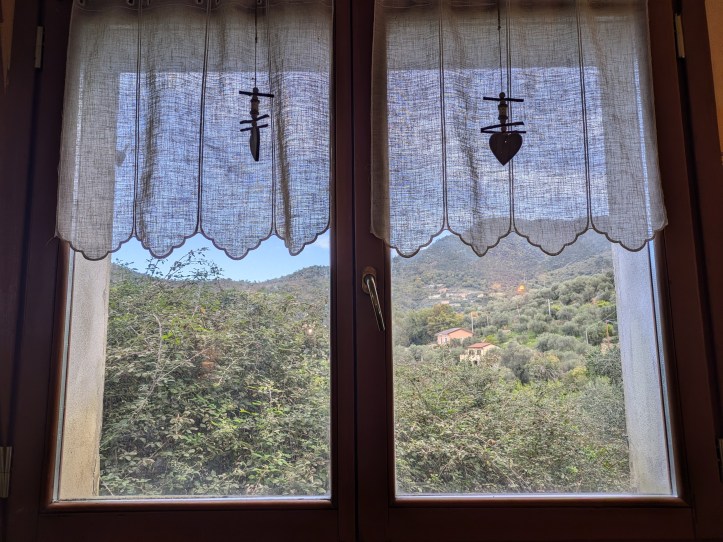
The next morning we left the Italian hills behind to continue to France.
We have had some of the best experiences and meals while staying in agriturismos or similar (like the Casa Rurals in Spain) and would highly recommend this type of accommodation when travelling.
 Our life in Spain