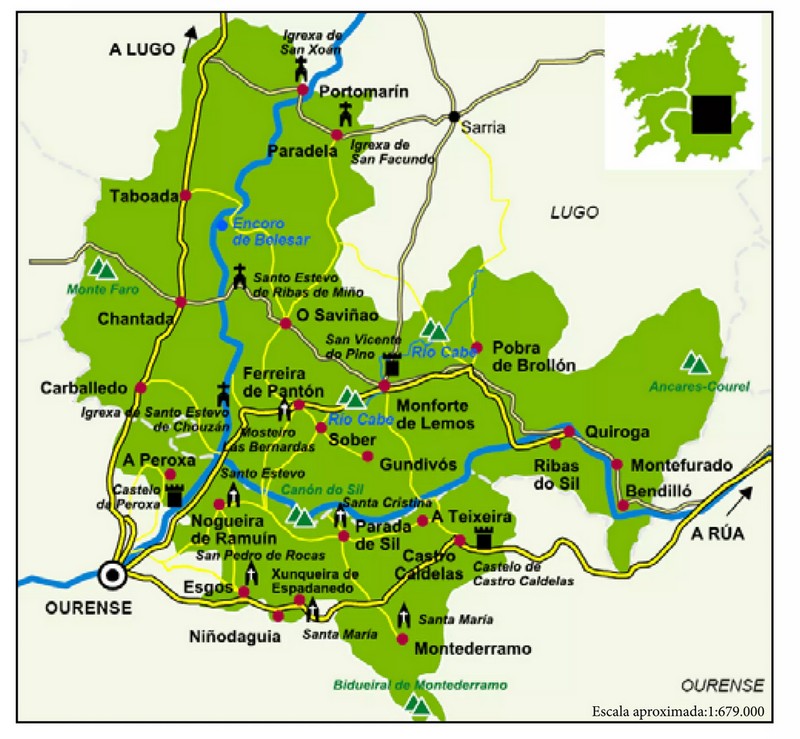
Now that Salvador has his drivers licence theory test behind him and with our time running out here in Galicia, we set off last week to explore the Ourense Provincia and the Ribeira Sacra wine region.
Everywhere we (meaning us and all of you) travel we always visit places that are spectacular and say that no photo can do it justice. The Riberia Sacra region is one of those places.
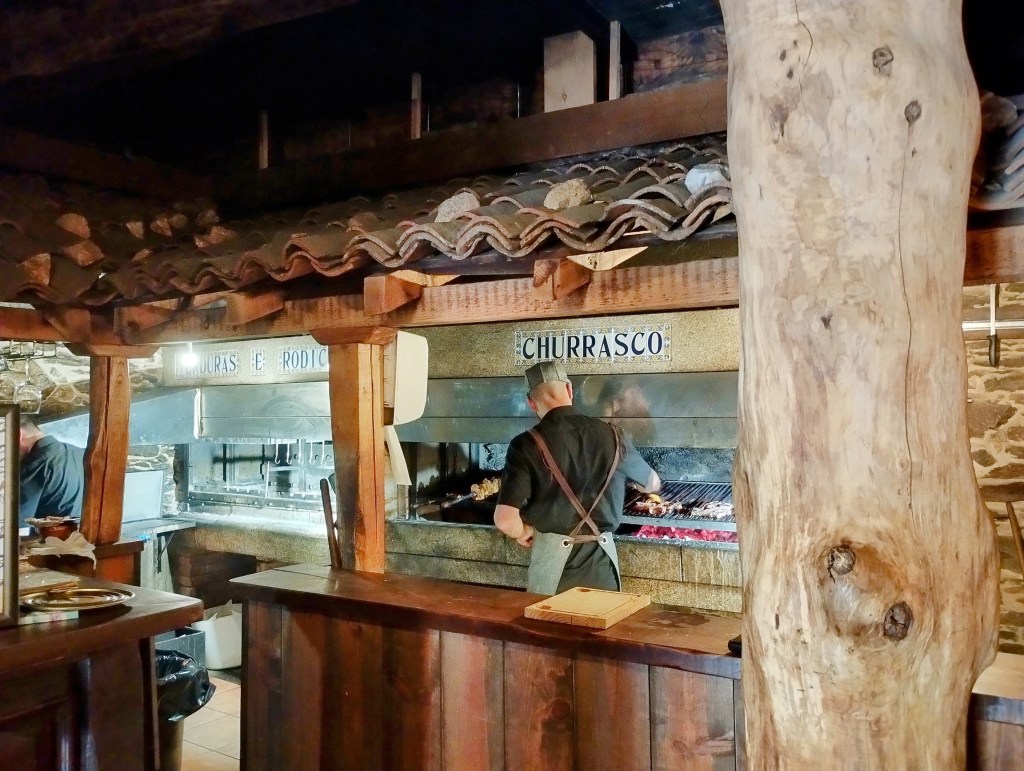
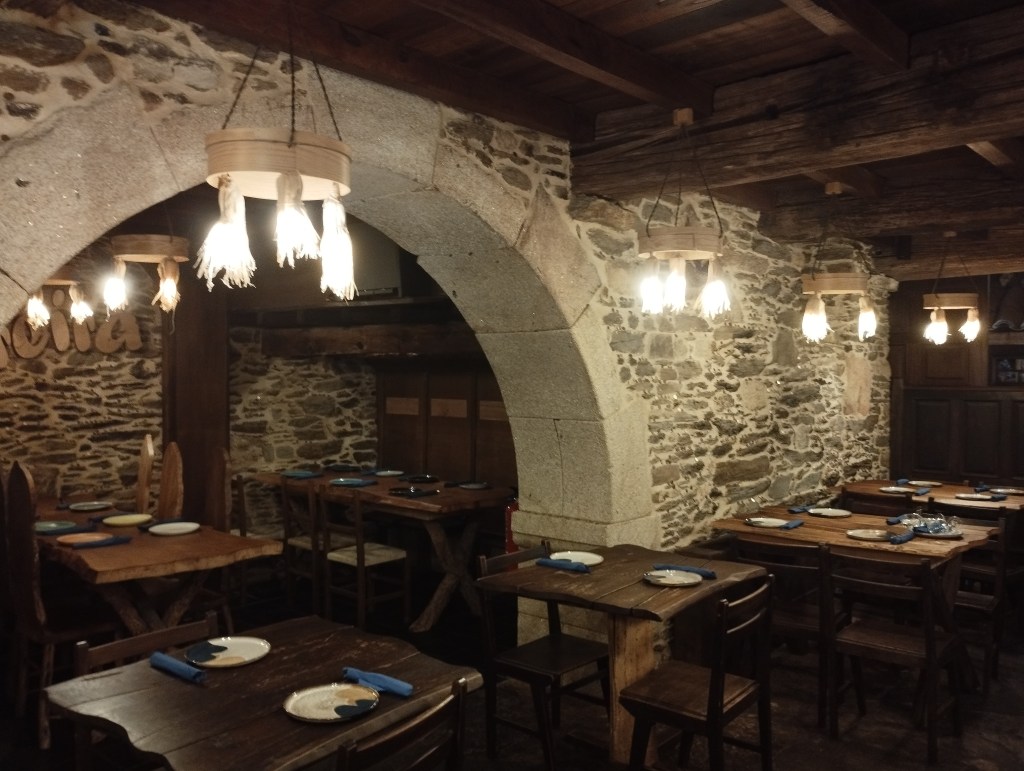
It was magical (we felt like we were in The shire sometimes – that’s hobbit land for all of those non-Tolkien people). On our drive we stopped at a Fogar for lunch which is a very traditional Galician restaurant. It was in the middle of nowhere and very busy with locals. We think fogar means hearth or fireside.

The northern section is on the wide Rio Miño with sky high river banks with endless vineyards dotted with little stone huts. We drove through winding, narrow roads and through beautiful green forests.
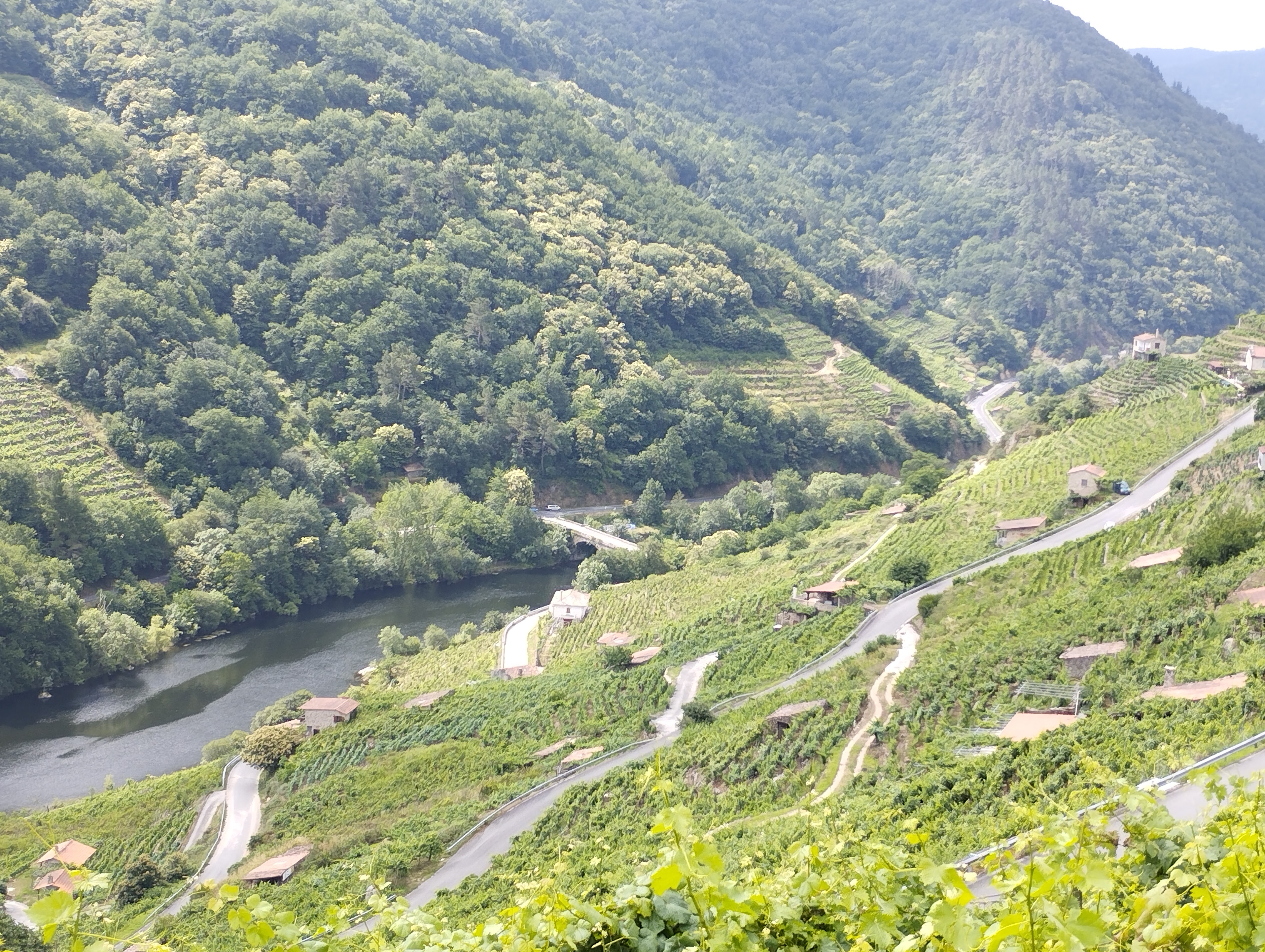
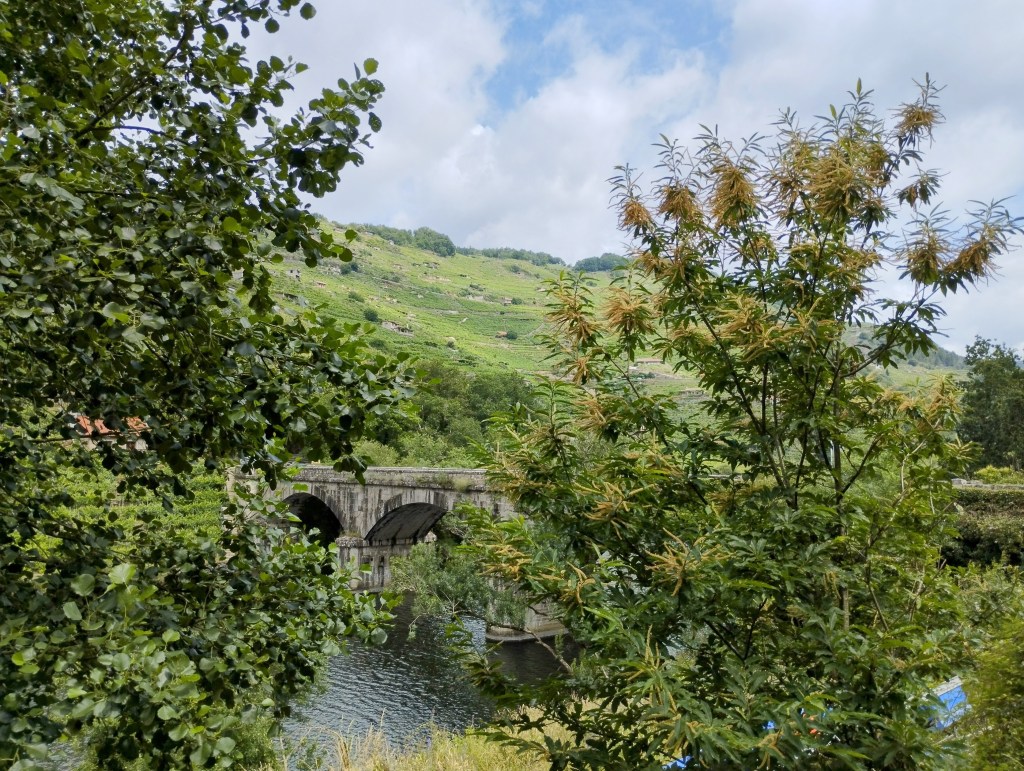
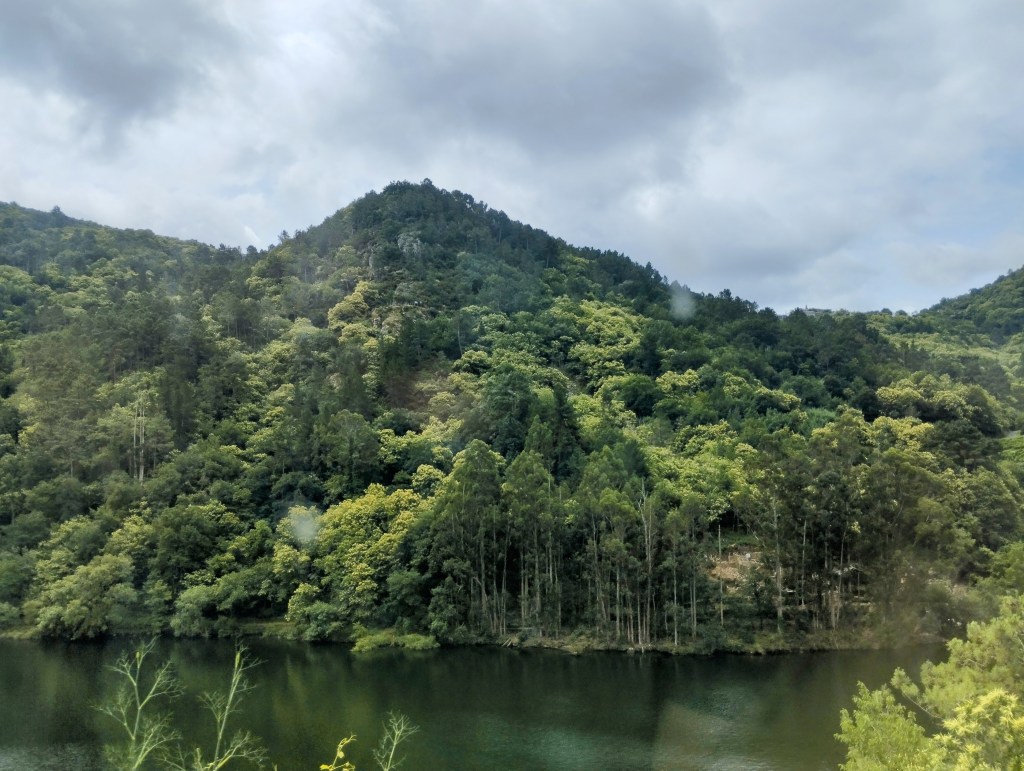


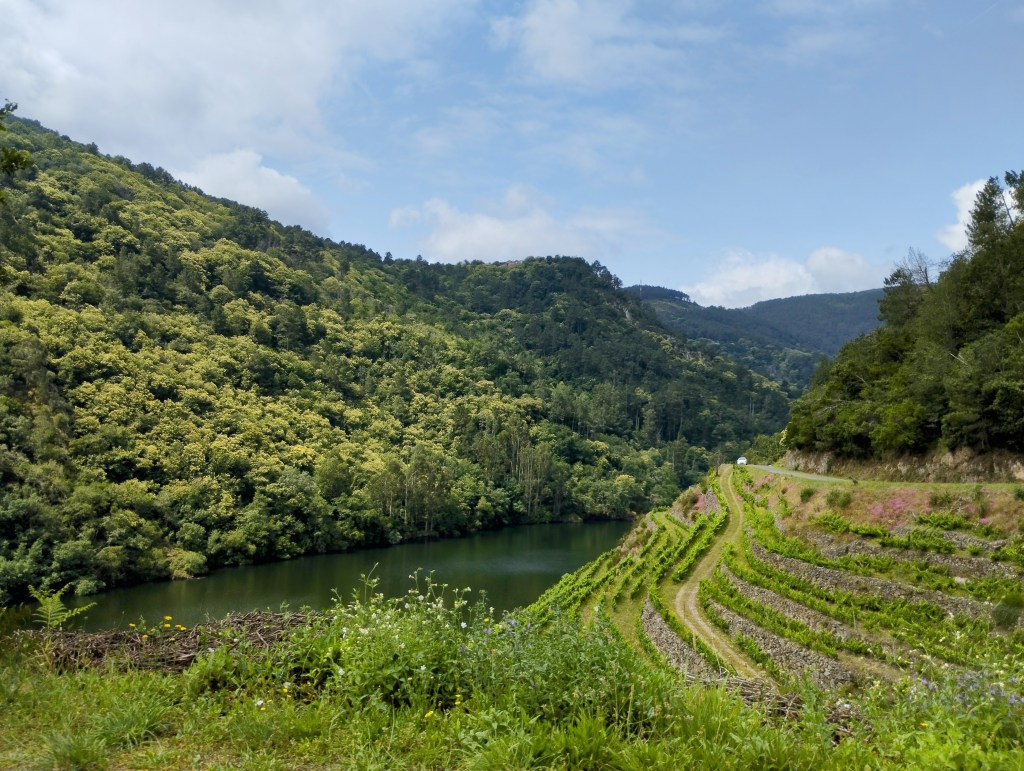
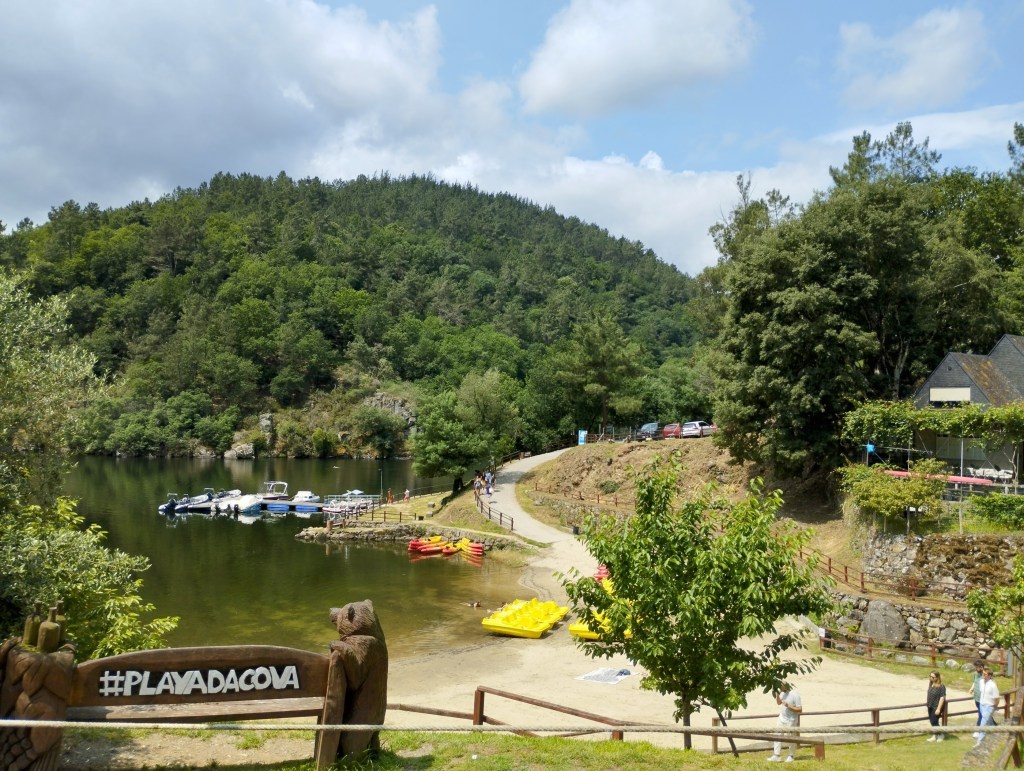
We stopped for a glass of wine (godello white wine from the region) at the Playa Fluvial De A Cova Restaurante & Ocio, right on a small cove on the river. Then we encouraged our Freddie Fiesta to make it up the winding hills to the top where an adega (bodega in espanol or winery in english), the Adegas Moure, gave us spectacular views of the Rio Miño.


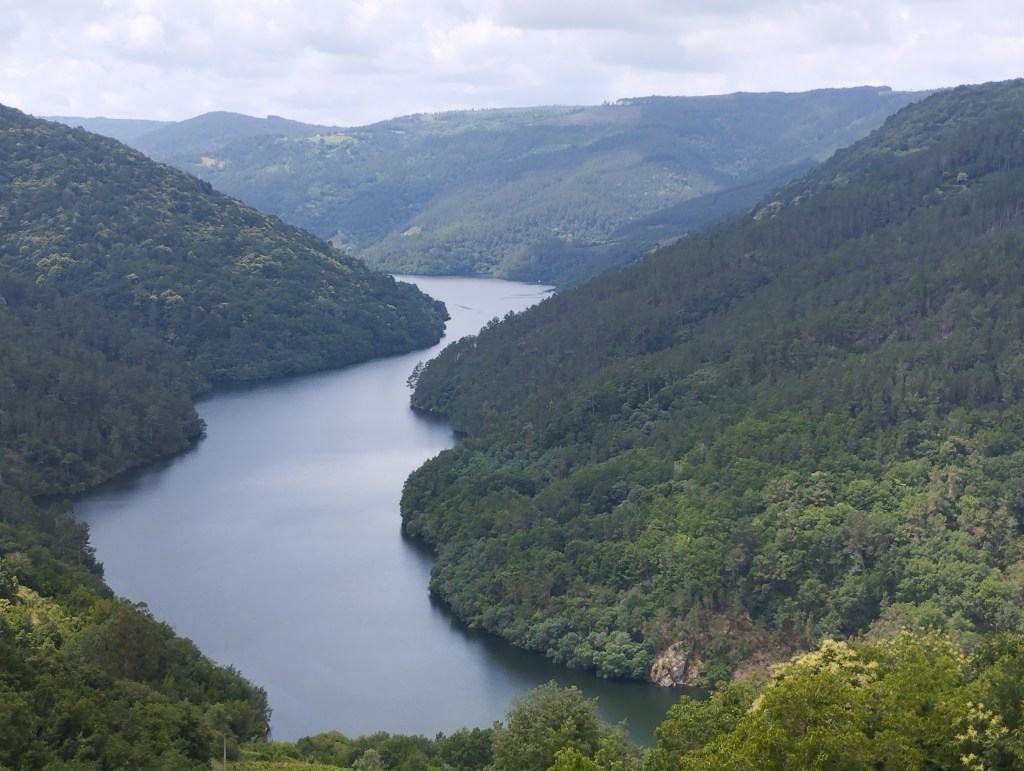
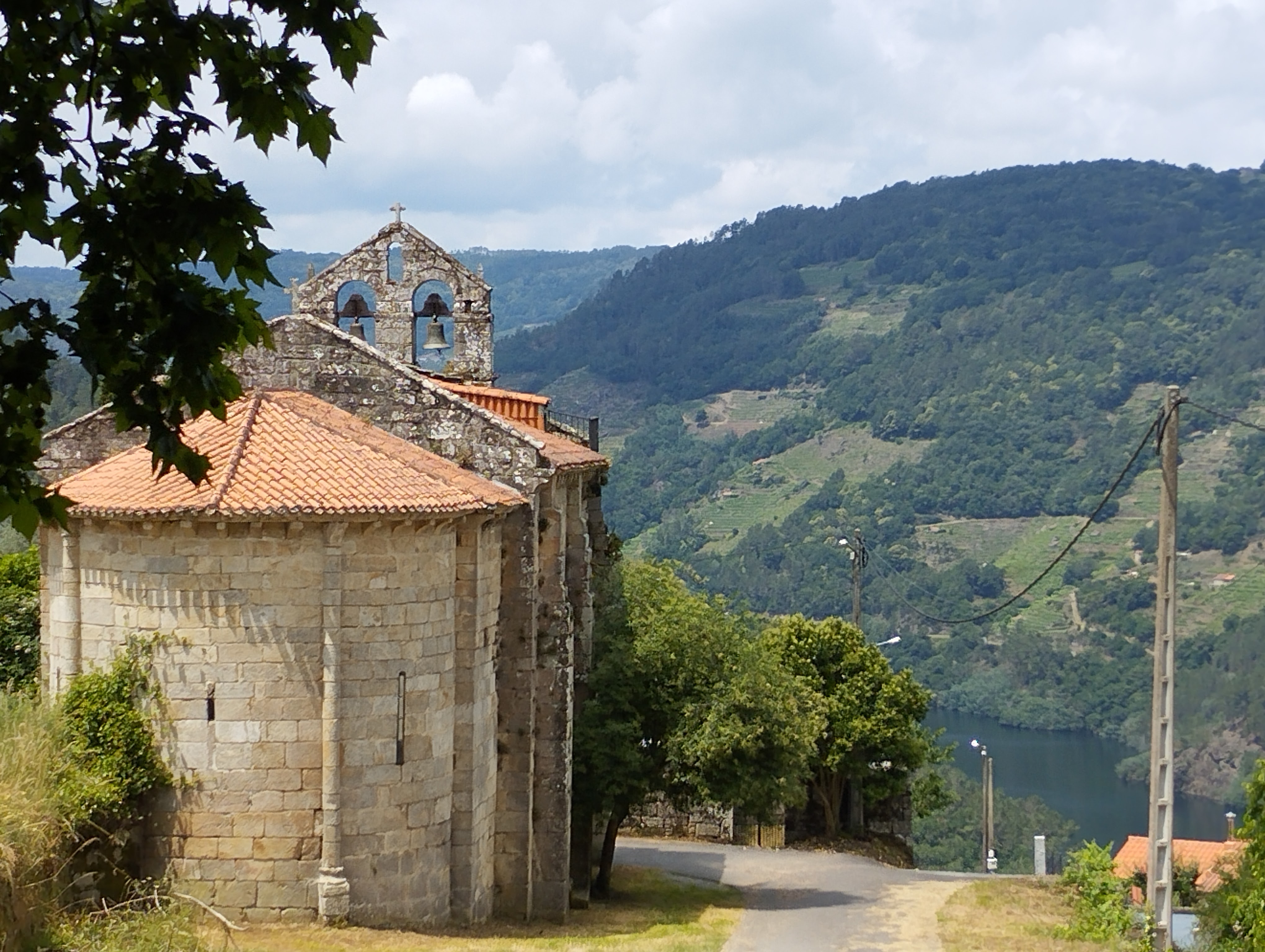
We spent one night at a paradore in Montforte de lemos in a beautiful old monastary. Paradores are a network of state-run hotels that are beautiful properties consisting of restored Castles, Monasteries, Convents, Fortresses, Manor Houses, Palaces as well as some exceptional modern properties and are found in some of the most beautiful settings in Spain.
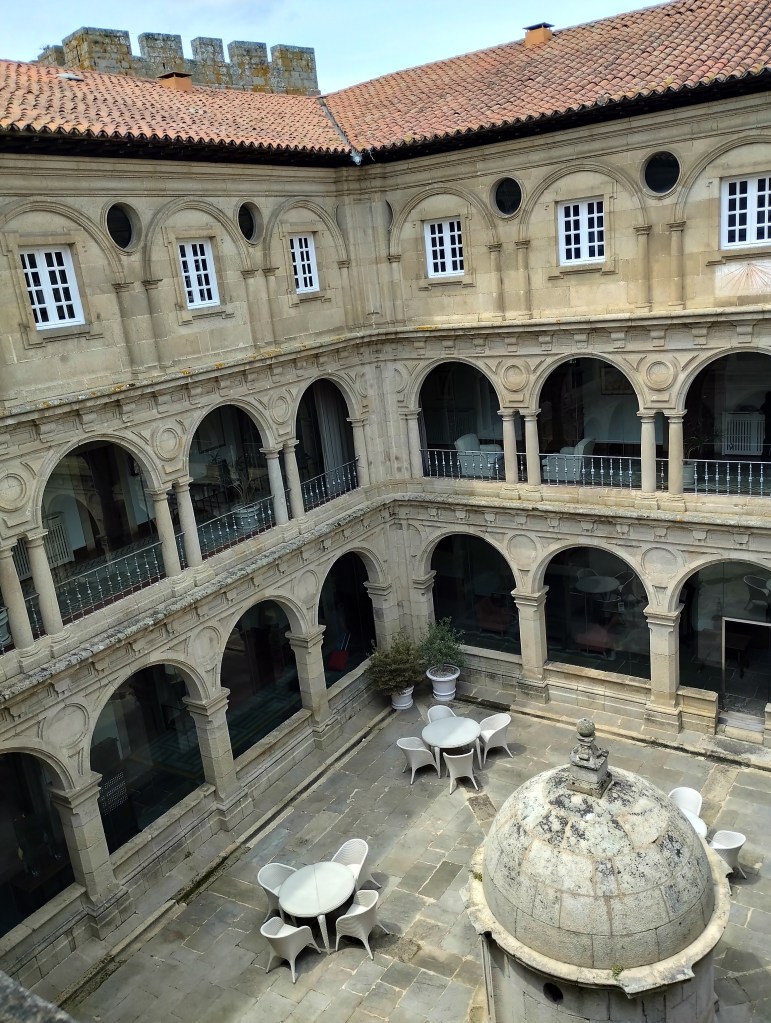
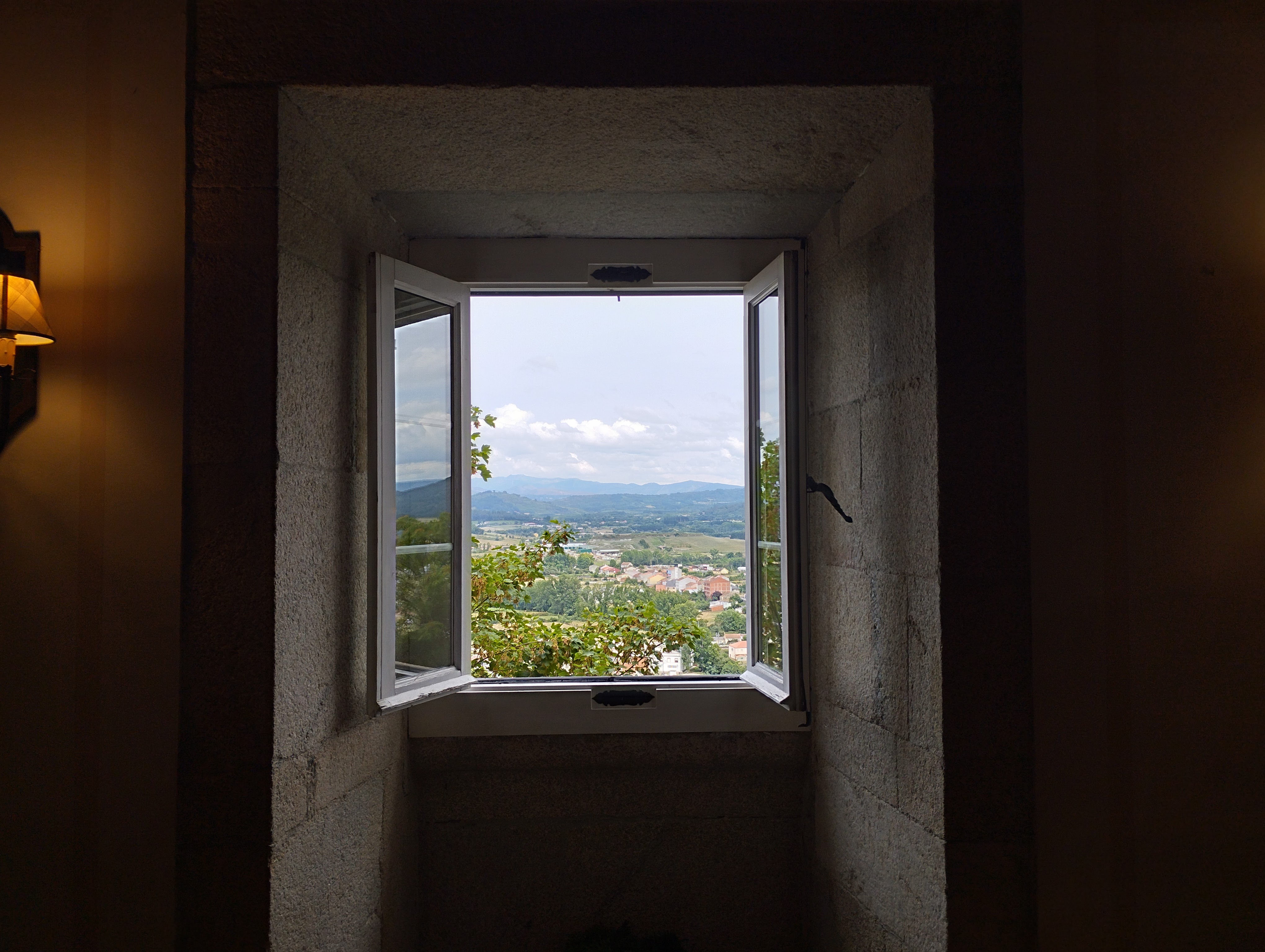

We then made our way to the southern part of the Ribeira Sacra to spend 3 nights at Parada de Sil, a very small village on the Cañón del Sil. The forests were full of flowering chestnut trees that were just beautiful.


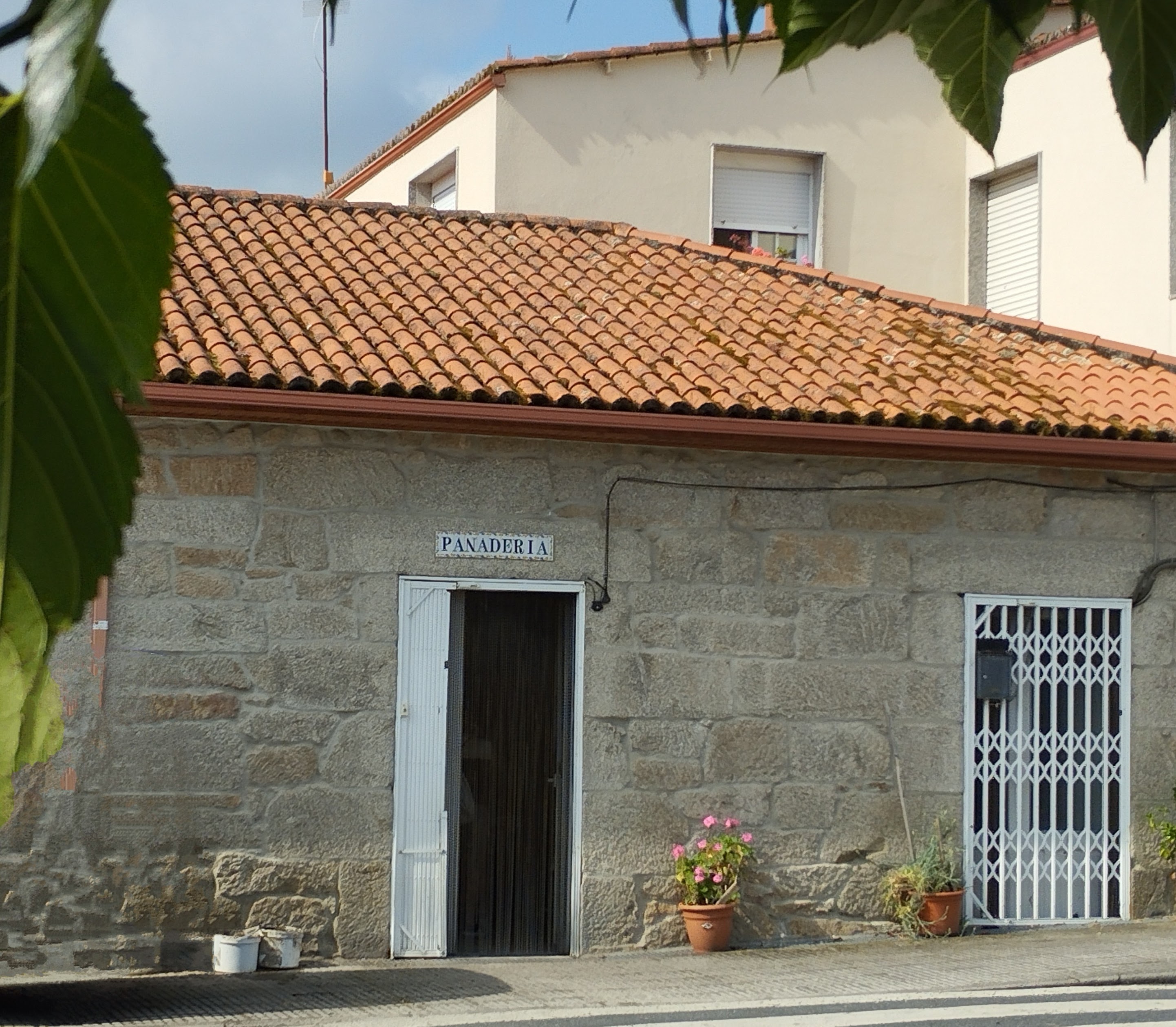
She only bakes by orders.


Estrella galicia beer taps.
Many bars here have this ceramic decoration.
We did a tour of a small family run winery the Bodega Ronsel do Sil, on the river banks of the Rio Sil. Everything is done by hand and the hills are very steep. Amazing and the wine was so good.

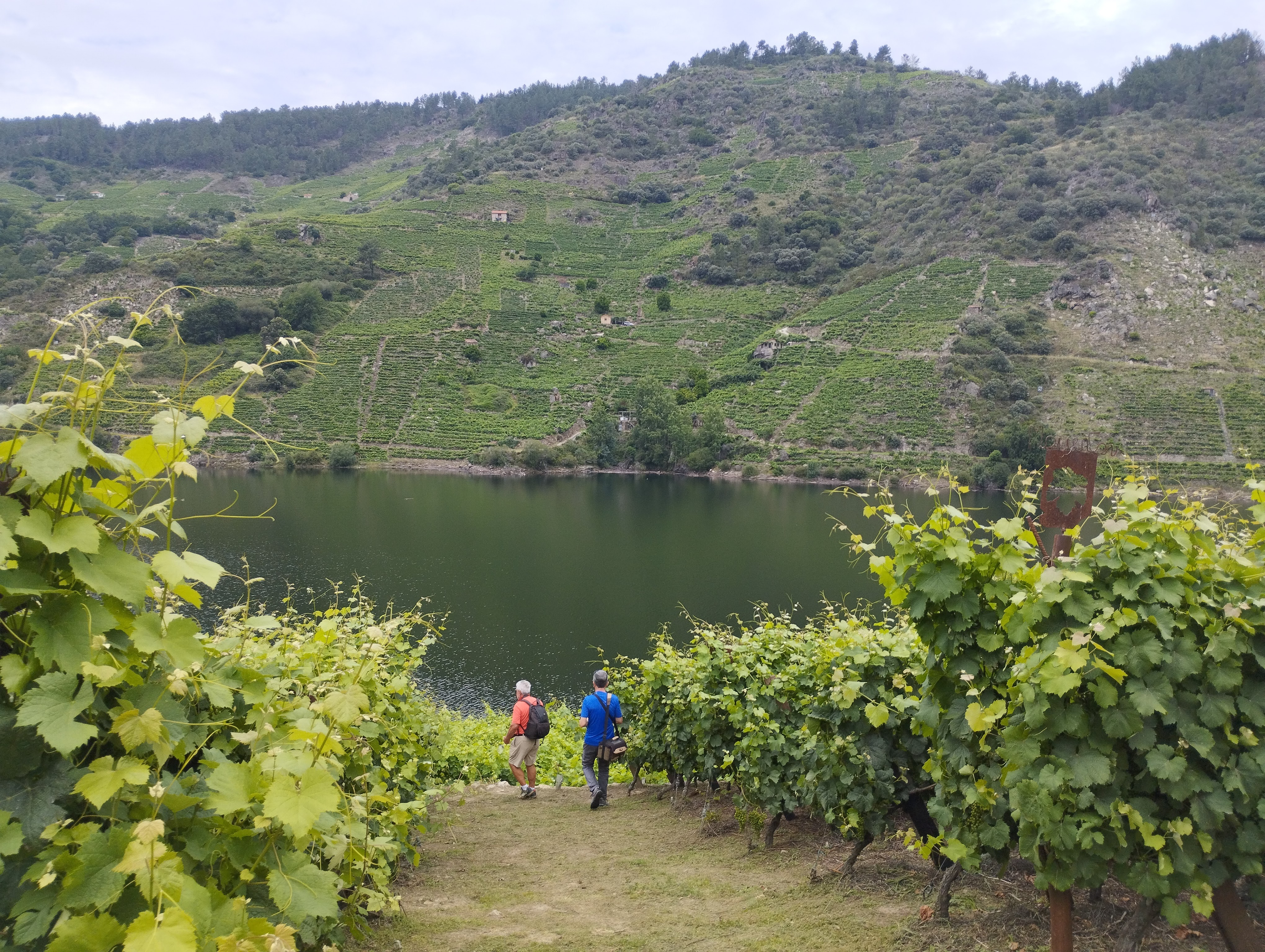
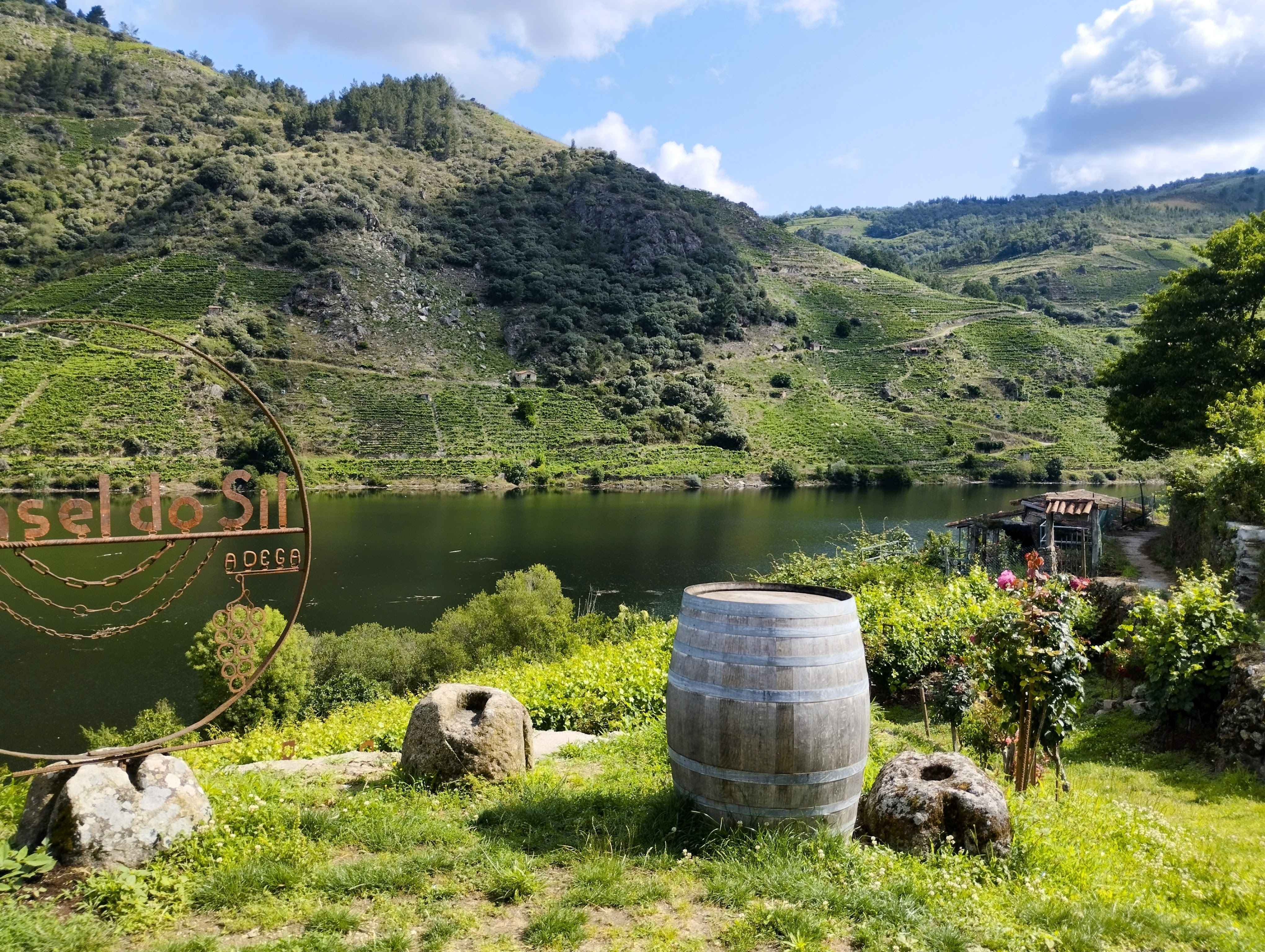
The whole area is spotted with miradors (scenic look outs) and forests and again very windy hilly roads. We visited the Balcón de Madrid near the village of Parada de Sil where we stayed, for some specatular views.

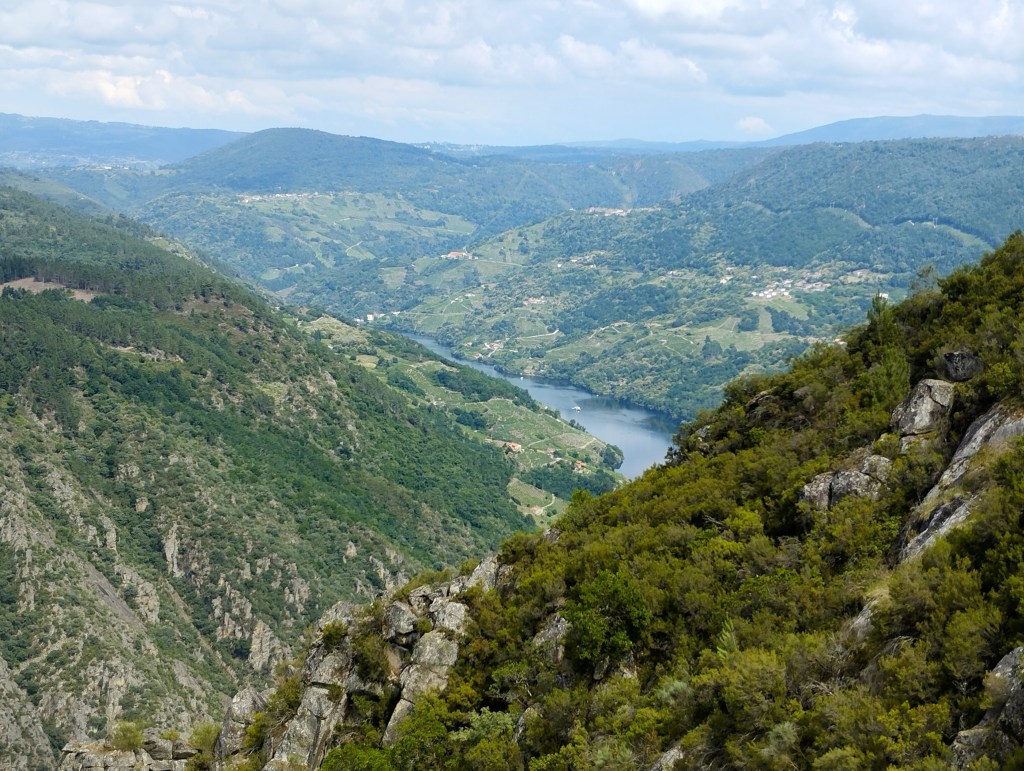


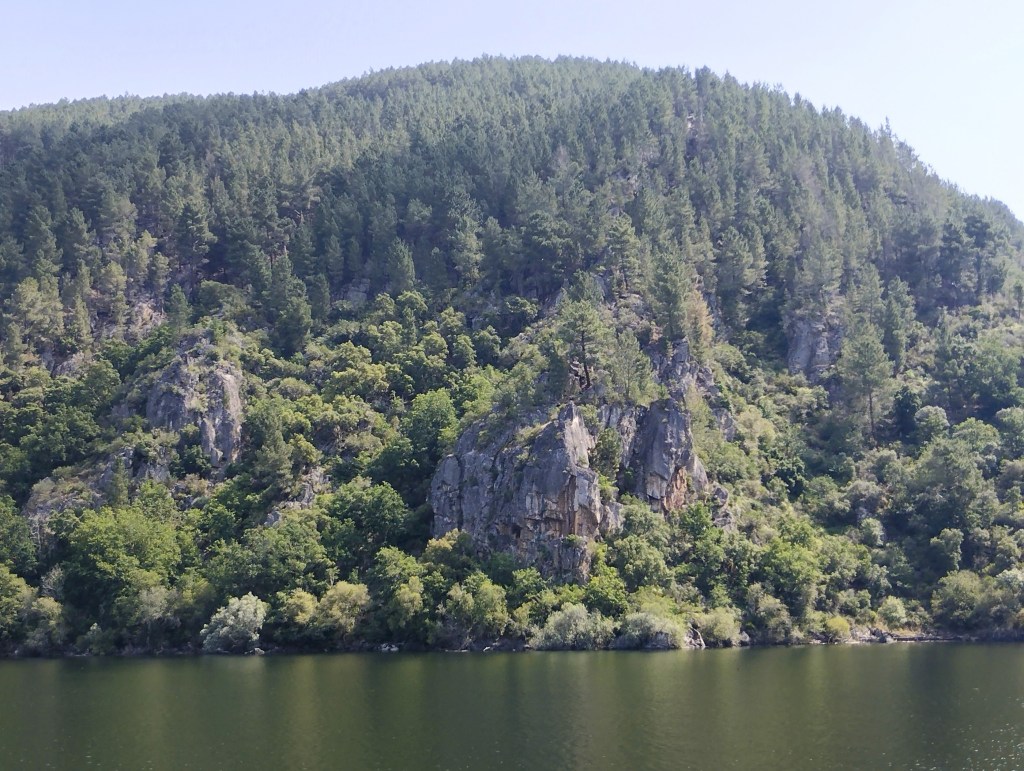
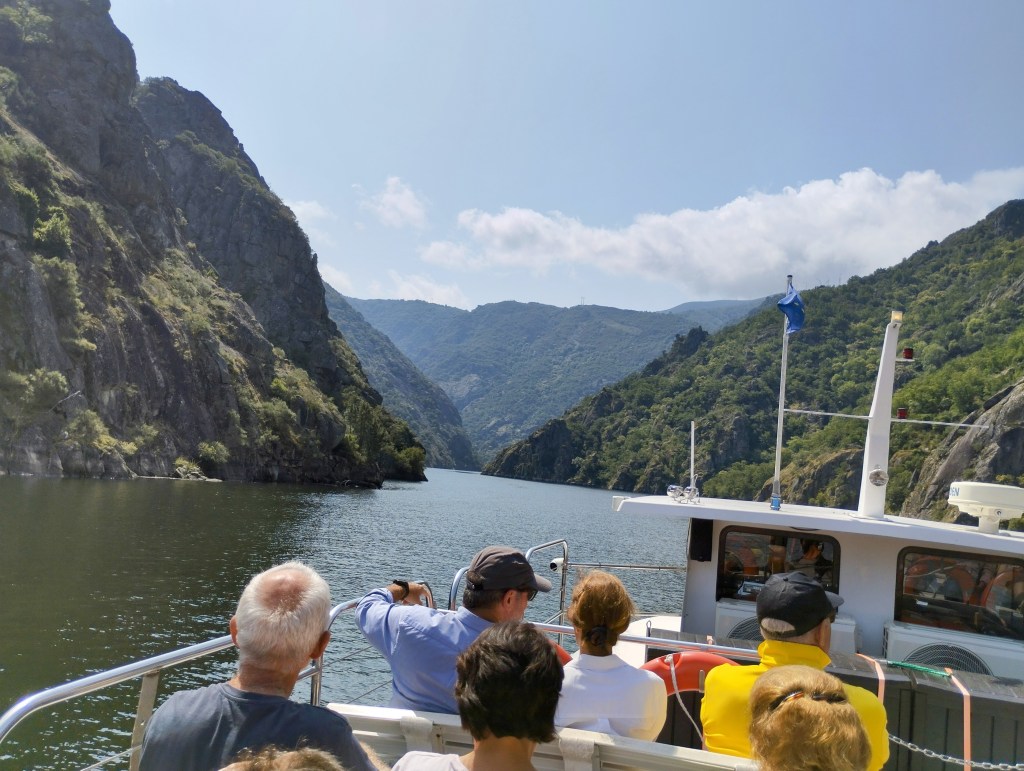
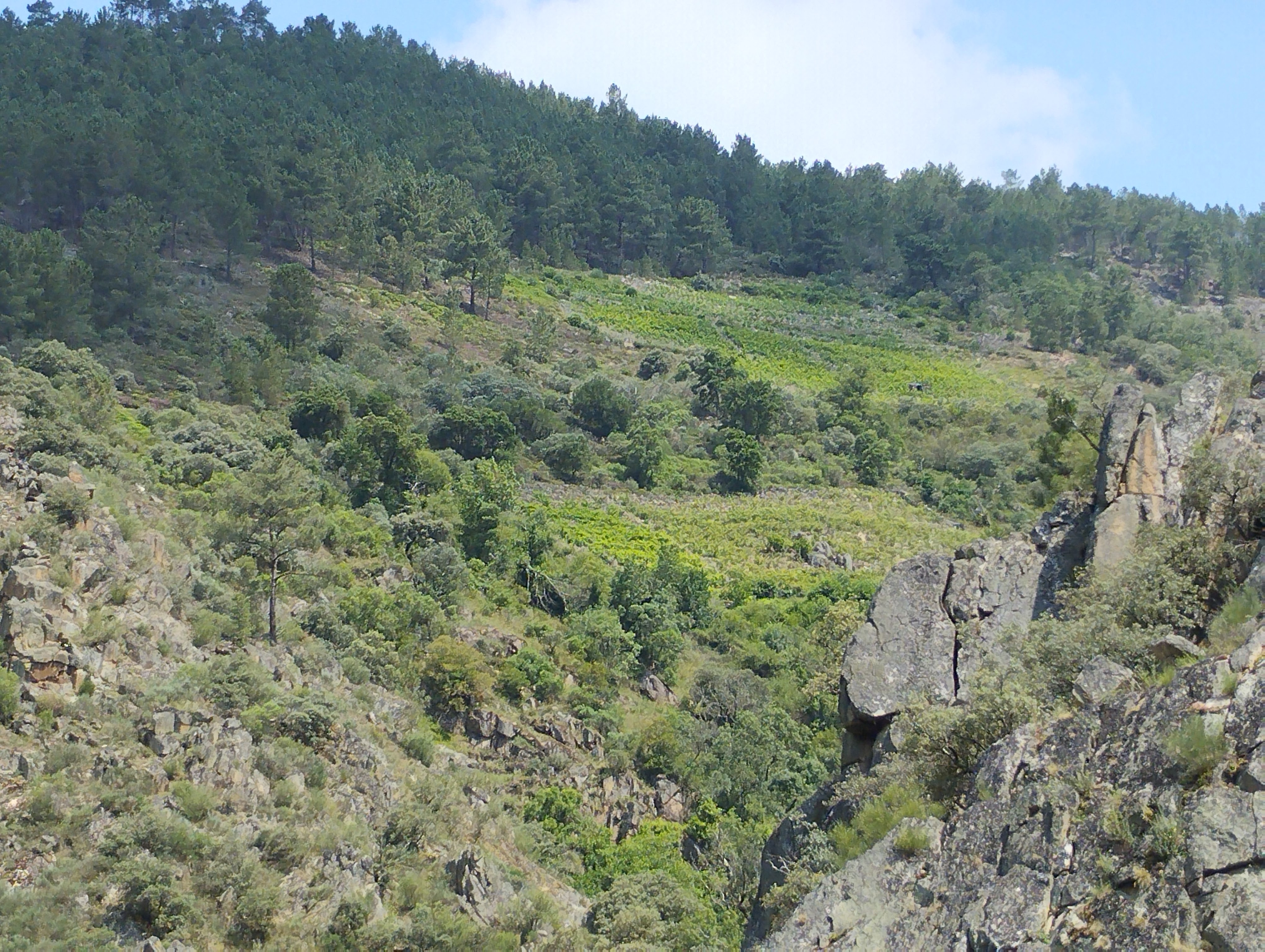
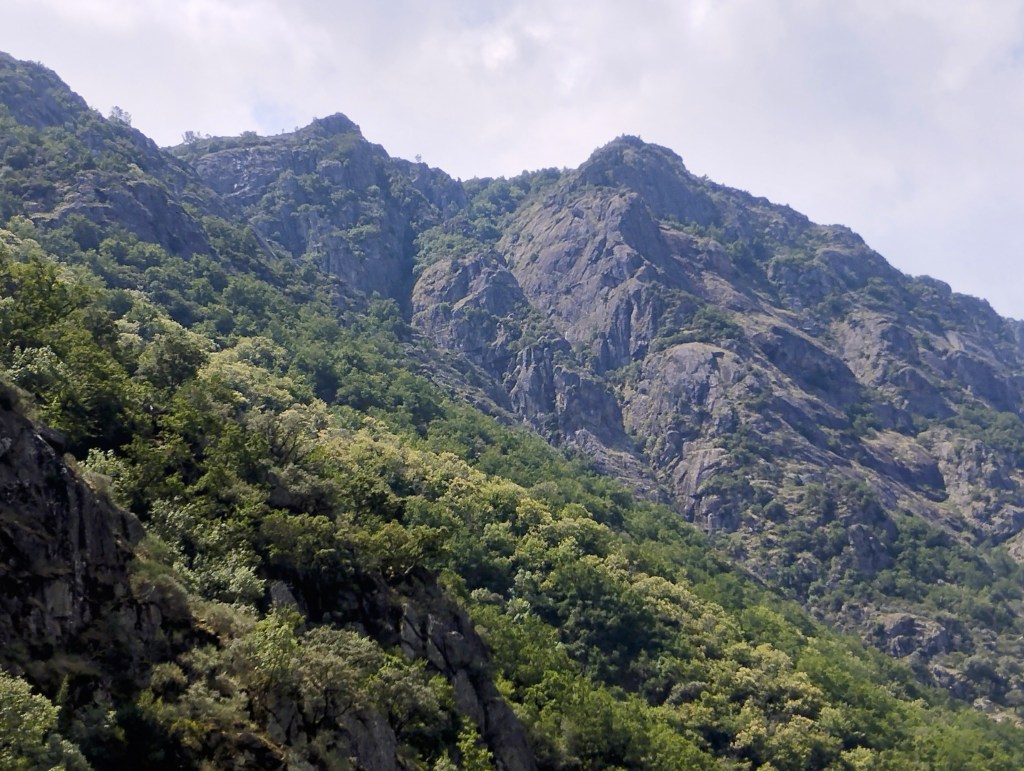
We almost lost Freddie Fiesta over the embankment, when we parked to catch a boat tour along the Rio Sil. We spent an hour on the boat tour and the Cañón del Sil is spectacular. We were astonished to see small vineyards amongst the very steep rocky outcrops. They could only be reached by boat. There was one small winery that only produces 150 bottles a year and so of course they cost a gazzillion dollars.



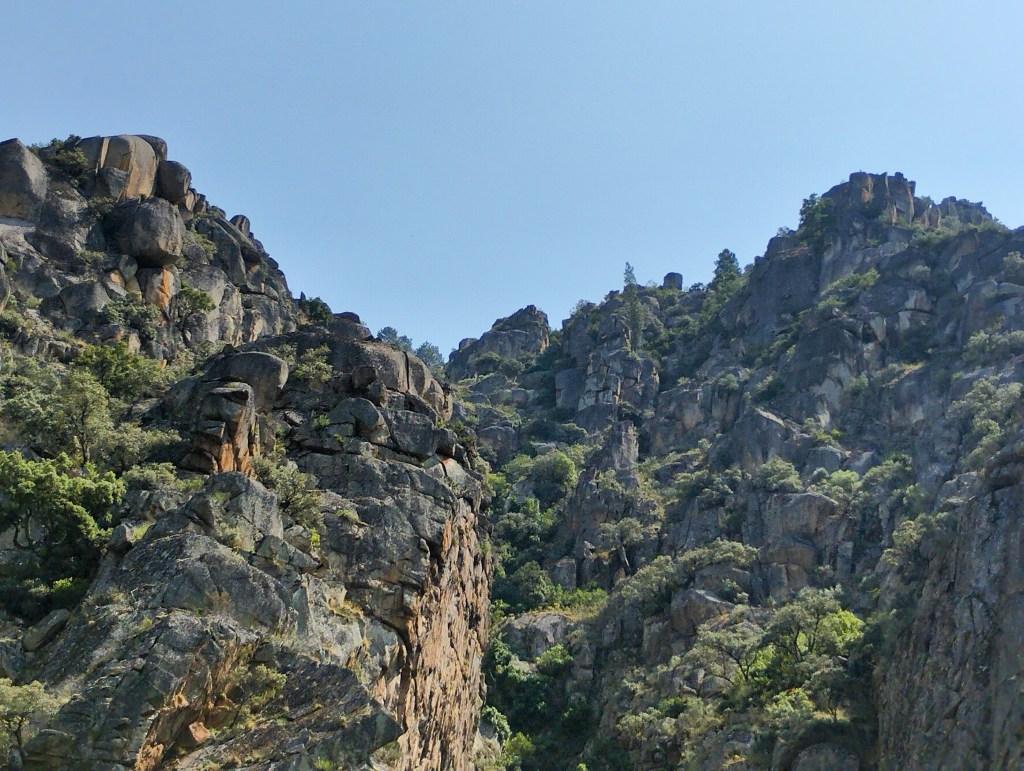

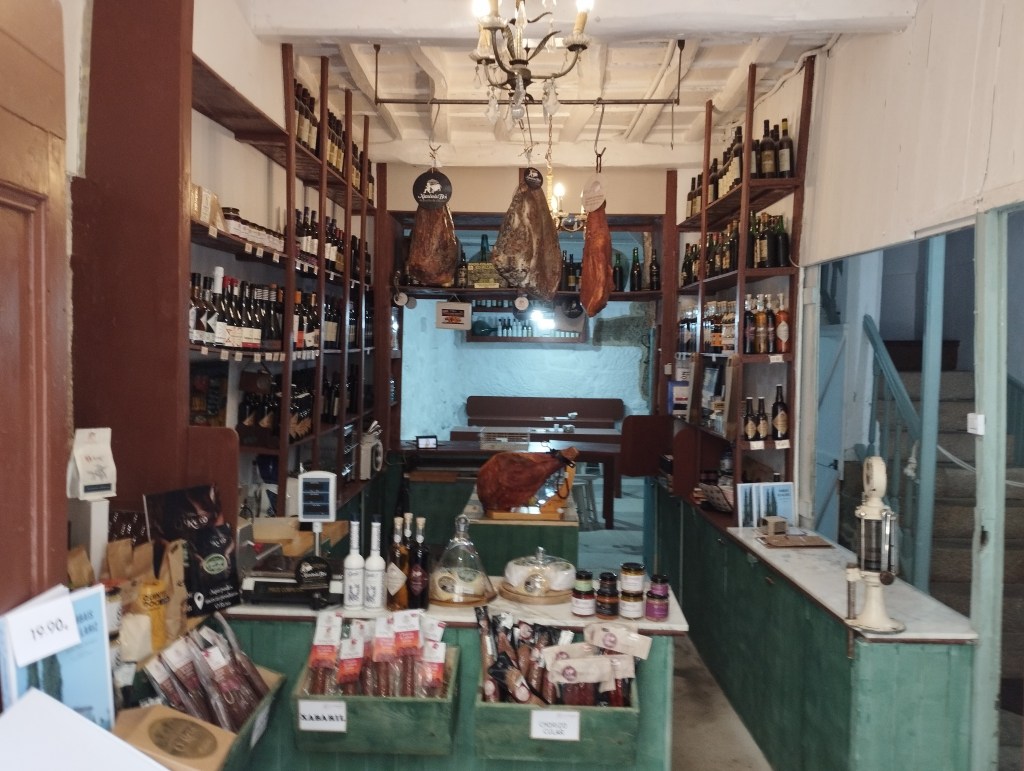
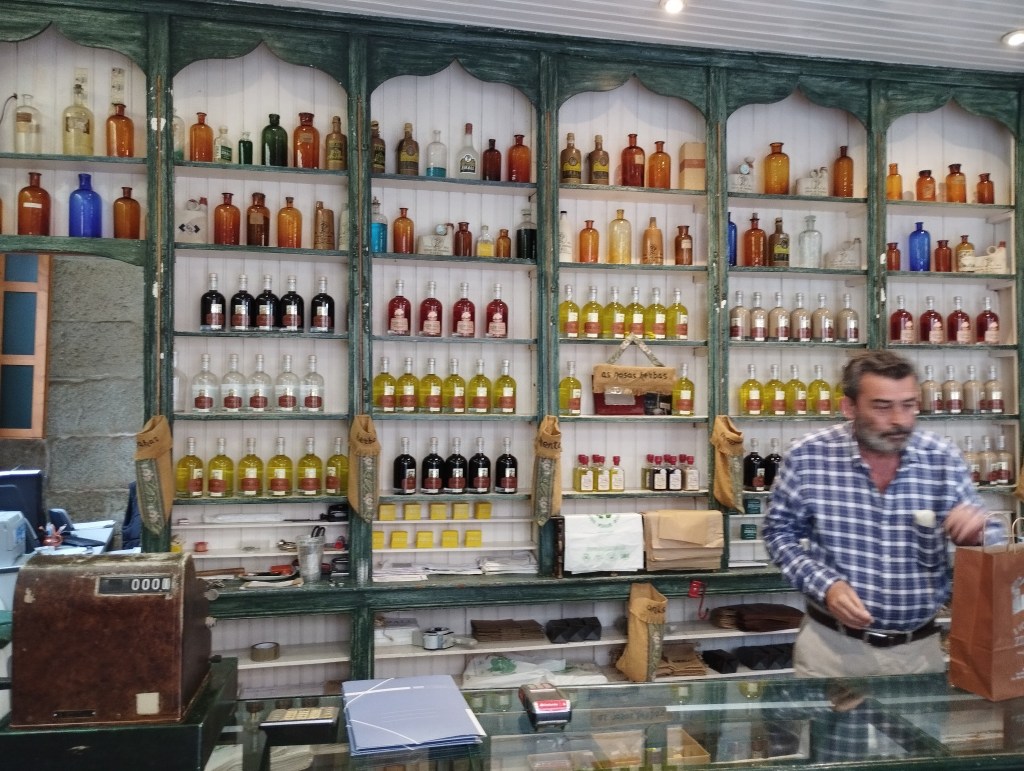
We continued south to spend our last few nights in a Casa Rural in the small village of Sabariz. From here we visited the very pretty riverside town of Allariz. Had lunch at Tenda do Pepiño de Allariz sort of like a delicatessen/wine bar at home. We also grabbed some of the Galician licor that is found everywhere, even the fruitas shops sell it. We discovered a licor store in Allariz and bought the crema de licor. Sort of like a Baileys but not as thick or creamy.



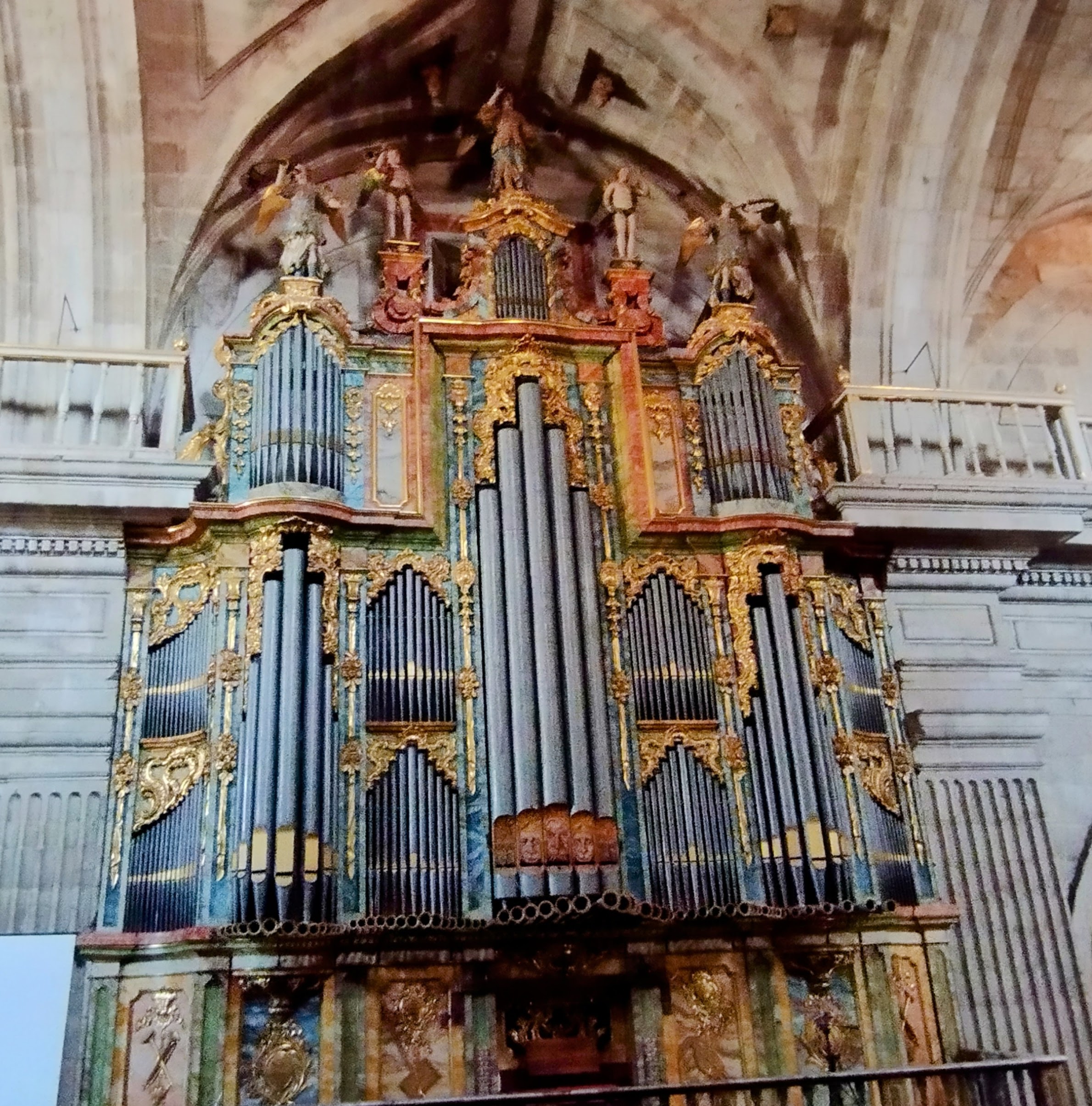
Of course we had to visit the Mosteiro de San Salvador de Celanova. The monastry (San Salvador Benedictine order) was established in the 10th century and the existing building and cathedral was built in the 17th century. It is a very large monastry and one half of it is used by the current concello (local government) and a school and biblioteca. The cathedral is the second most significant in Galicia after the Santiago de Compostela cathedral (where the Camino ends)

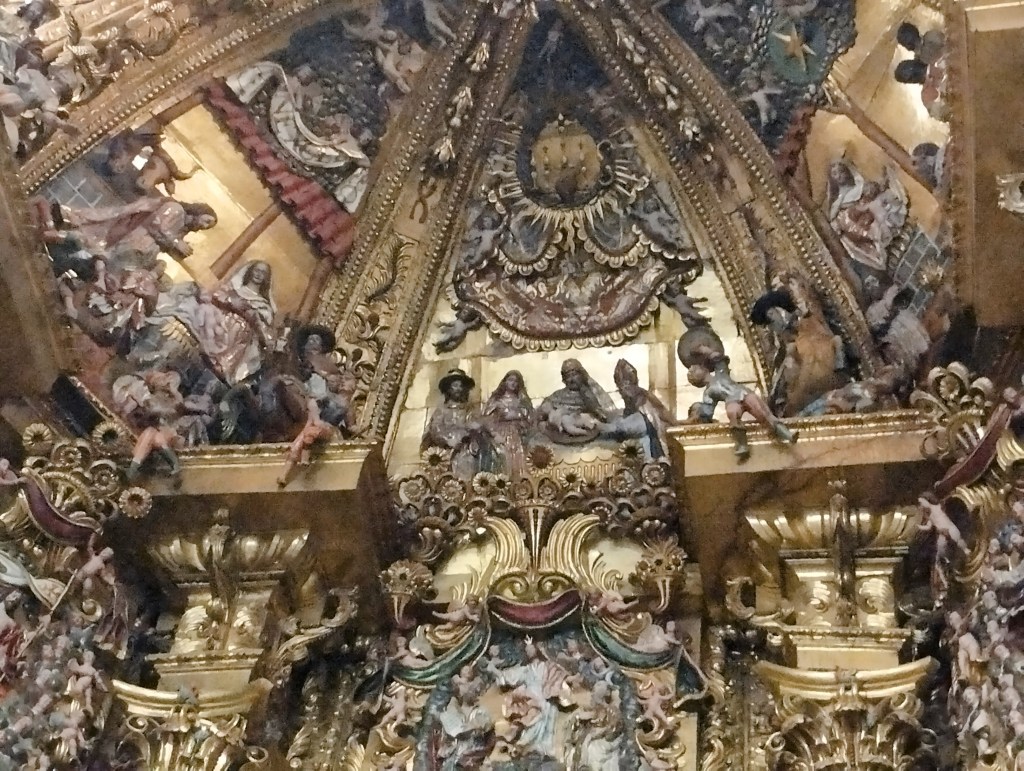
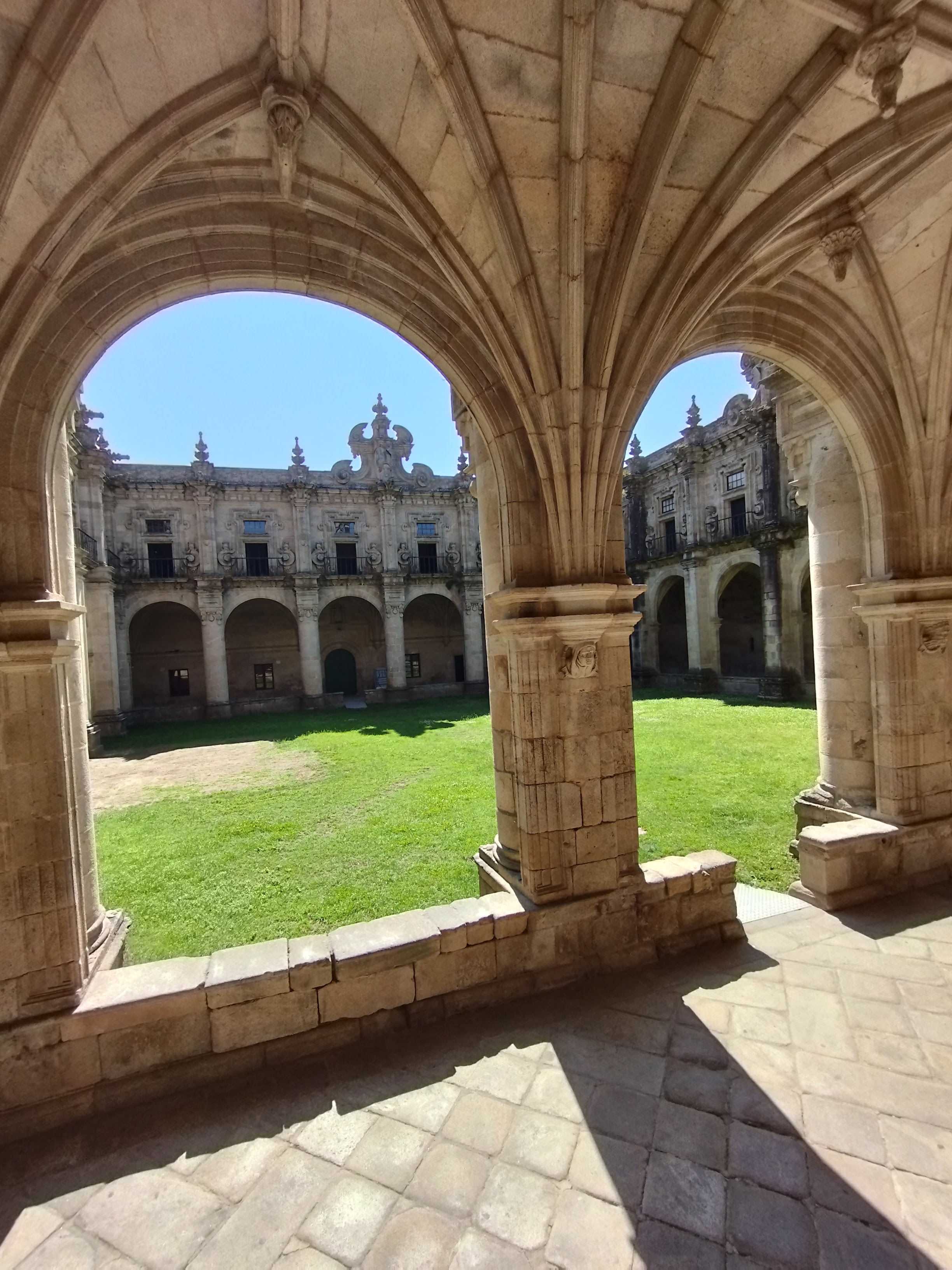

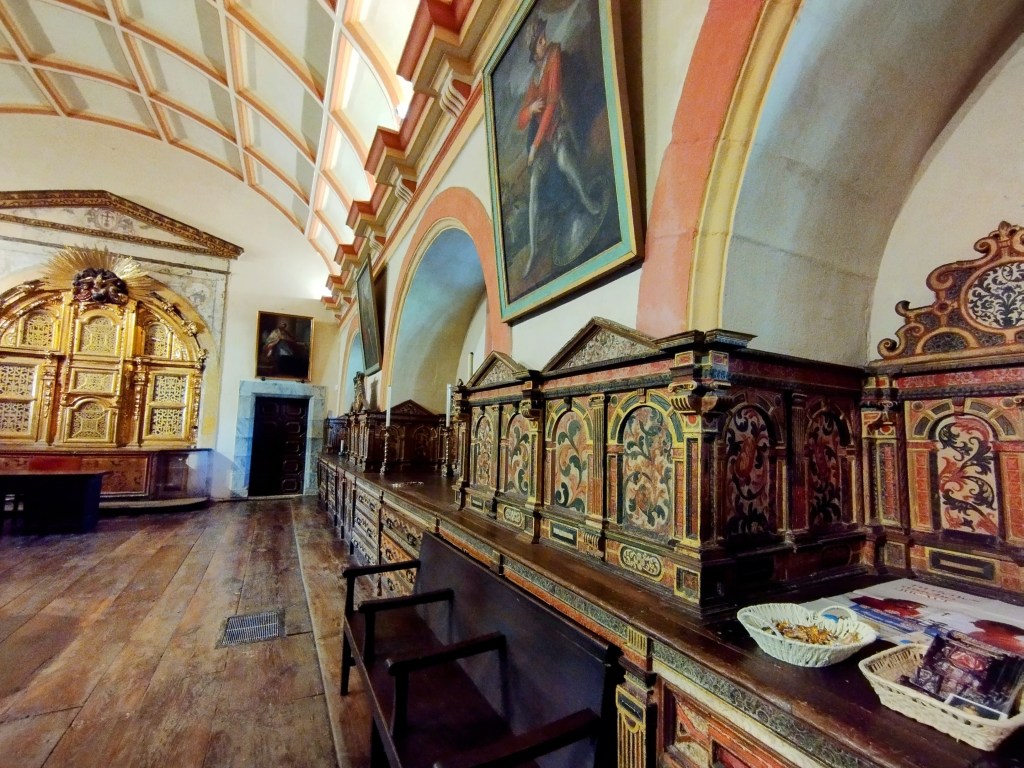


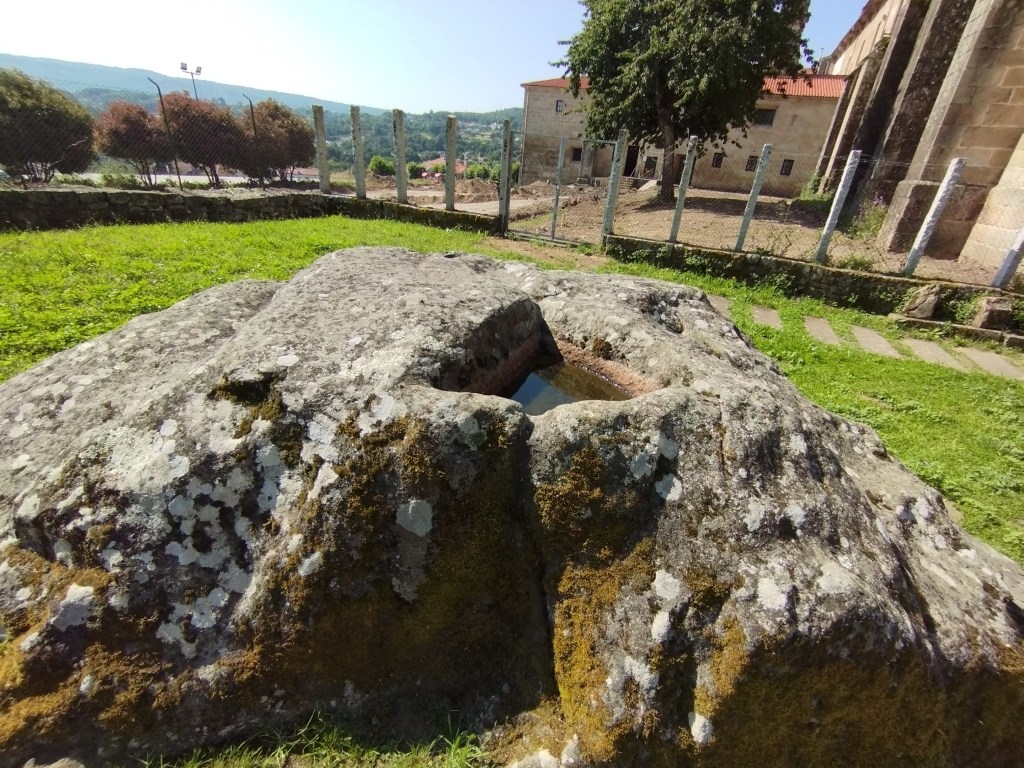
The small chapel of San Miguel is located at the back of the cathedral. The chapel was built in 940AD when the monastry was first established and the chapel has not been modified since it was built. The chapel is positioned so the rising sun (dawn) in summer and autum shone through the trumpet shaped windows to light the sacrifical stone in front. This is the founding stone for the monastery that was part of a vision that led the monks to establish their monastery in this location. The stone was used for animal sacrifice, complete with a bowl and drain for the blood.
On our last day we visited the Encoro das conchas (reserviour) and enjoyed lunch on the banks of the reservoir trying to keep cool in the very humid 36 degree heat.

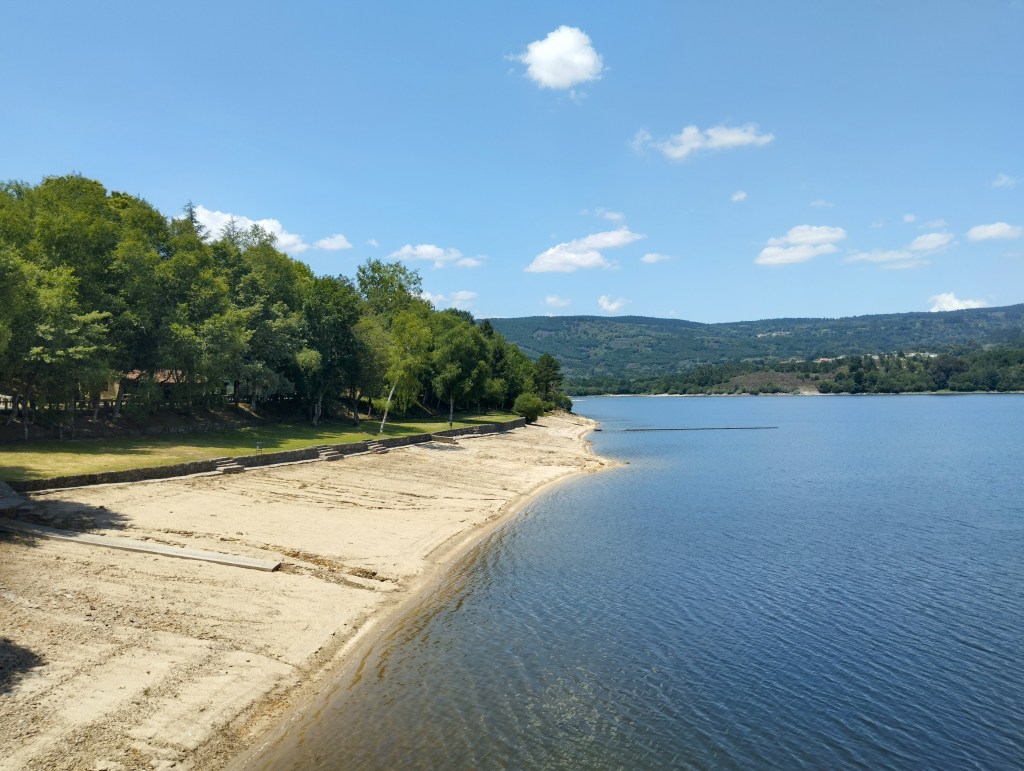
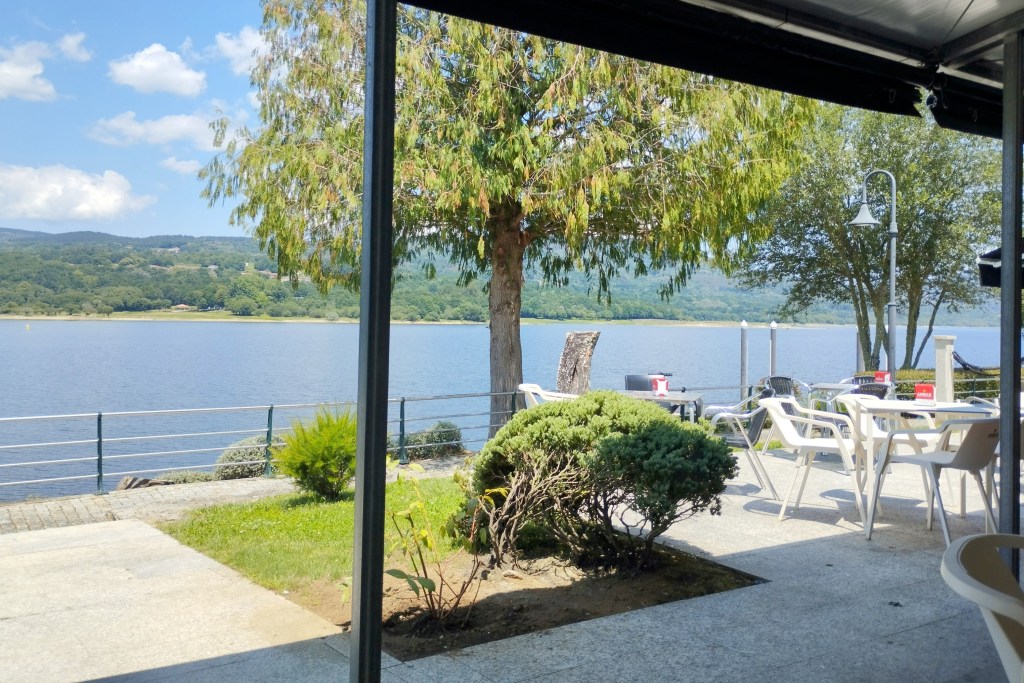
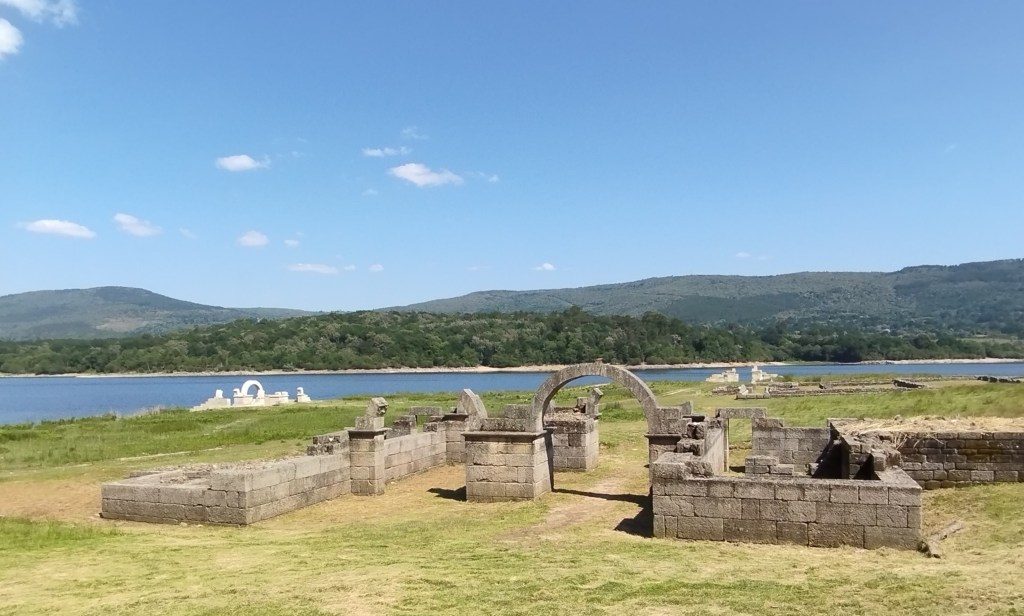
We visited the military roman camp ruins, Aquis Querquennis, which sit on the banks of the reservoir and some parts of the year they are flooded.
This was an important military camp for the Romans acting as a control point on the Via Nova, a roman road that linked Braga (in Portugal) to Astorga (near Leon) in Castile y Leon. Spain was ruled by the Romans for 700 years and Galicia has many roman ruins scattered throughout the region.

G
 Our life in Spain
Dawn, the richness of all this is overwhelmingly beautiful â canât believe that you are living this life but very happy for you that you are. xx
[cid:wfc_sigstack_b81768e7-da46-430e-a076-dc126ad8f8ea.jpg]
Karen Scott
Pastoral Care Teacher B5
156 Park Road Donvale VIC 3111 AUSTRALIA
Phone: (613) 9872 8200
kscott@whitefriars.vic.edu.au | http://www.whitefriars.vic.edu.au/http://www.whitefriars.vic.edu.au/
ABN: 35 808 045 134 | REG A0029974Y | CRICOS: 01680G
[cid:facebook_0b65d937-93be-4793-a663-10041d6e4b9a.gif] https://www.facebook.com/WhitefriarsCollege/ [cid:twitter_3e739f0e-06d1-4149-9947-71fbc84fd2e3.gif] https://twitter.com/WhitefriarsColl [cid:instagram_4426bfe2-b15f-412b-b1b5-ee8b3892d398.gif] https://www.instagram.com/whitefriarscollege/
LikeLiked by 1 person
Hey Karen yes sometimes we are sitting at a bar having a drink and all of a sudden one of us will say – we’re in Spain! It feels very surreal at times but loving it. Hope all well with you
LikeLiked by 1 person