We had little understanding of the Yugoslav Wars even though they played out on our TVs at home in Australia in the 90s. It’s one thing to watch the news thousands of miles from conflict and then to visit a city that was battered by those wars and where you can see the “scars” of that war everywhere you walk. It was unsettling to do so but also we learnt so much as well.
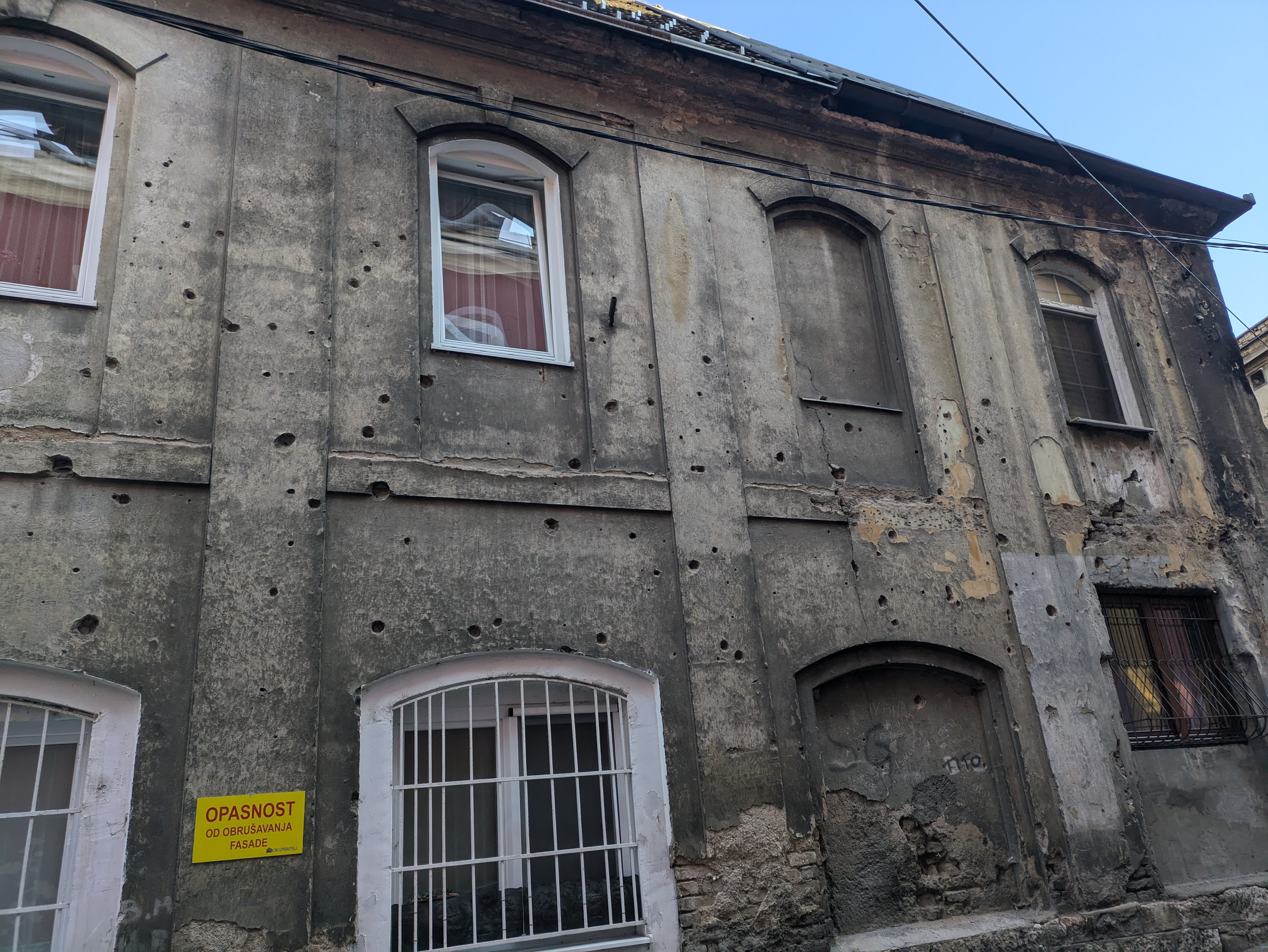
Many buildings showing the artillary shell and sniper bullet damage
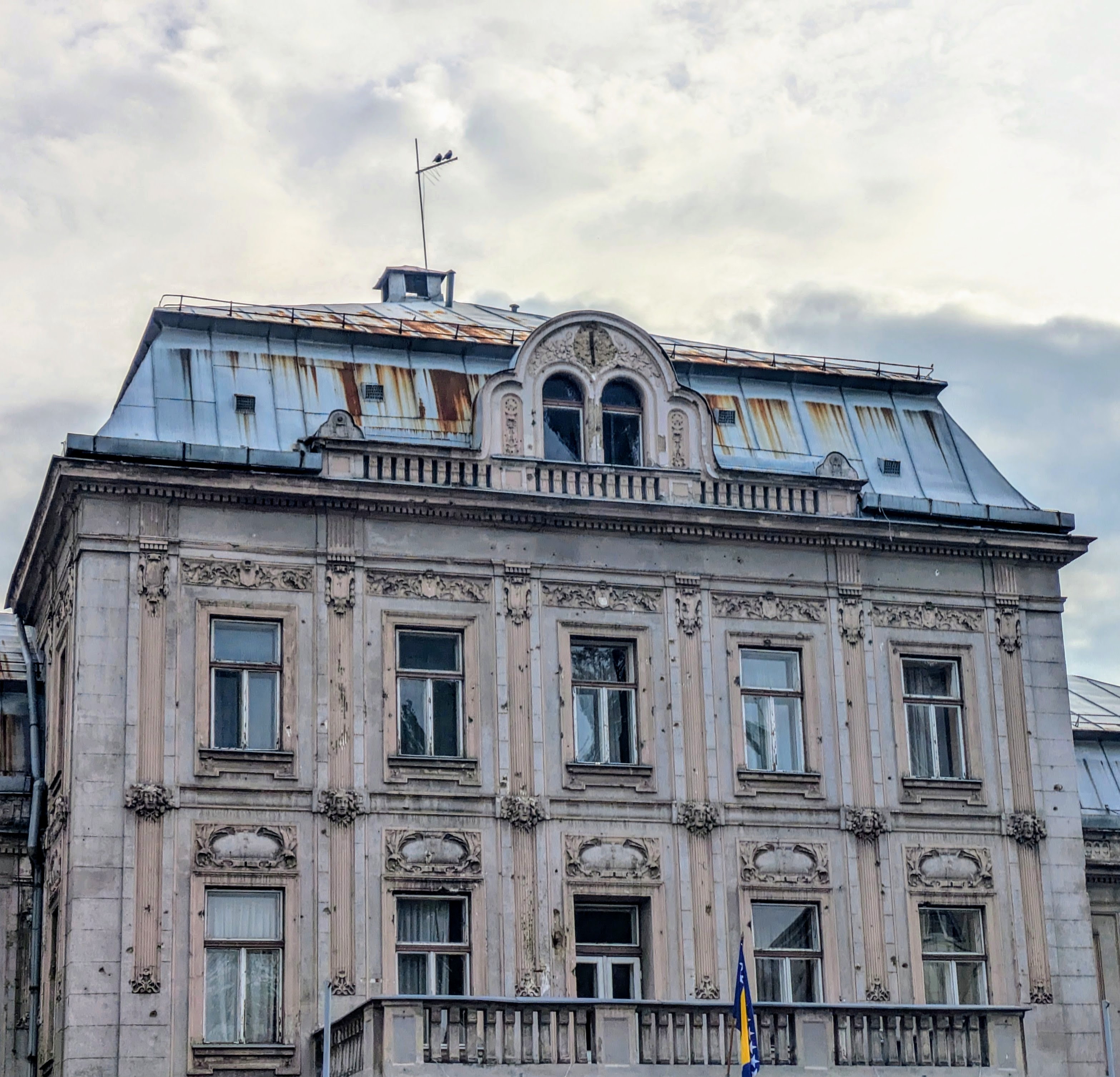

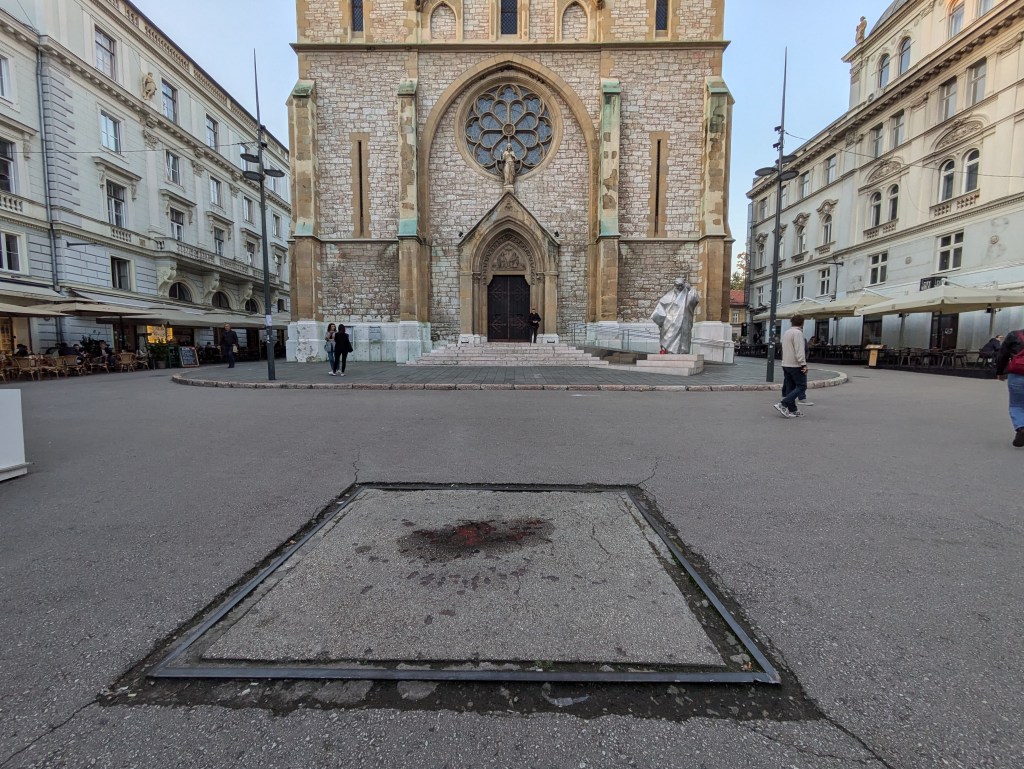

Bosnian War, ethnically rooted war (1992–95) in Bosnia and Herzegovina, a former republic of Yugoslavia with a multiethnic population comprising Bosniaks (Bosnian Muslims), Serbs, and Croats. After years of bitter fighting that involved the three Bosnian groups as well as the Yugoslav army, Western countries with backing by the North Atlantic Treaty Organization (NATO) imposed a final cease-fire negotiated at Dayton, Ohio, U.S., in 1995. https://www.britannica.com/event/Bosnian-War
The Siege of Sarajevo April 5, 1992 – February 29, 1996 (1452 days or 44 months, the longest siege in modern European history)
Before fighting broke out in Bosnia and Herzegovina in April 1992, Bosnian Serbs constructed reinforced artillery positions in the hills overlooking Sarajevo, reasoning that if they could crush resistance there, they might crush it everywhere. Once the conflict began they occupied the positions and some of the city suburbs and imposed a total blockade, denying Sarajevo food, power, and water. Although far better armed than the militia defending the city, Serbian forces lacked the numbers to storm it, so they settled in to pound it into submission. The militia, despite superior numbers, lacked the weapons to break the siege. It became a contest of endurance. Serb artillery inflicted great damage: on average more than 300 shells struck Sarajevo every day, and targets such as schools, hospitals, and homes were not spared. Nearly every building in the city was damaged. Snipers added to the dangers, and nowhere in the city was safe. Sarajevo came near to starvation before the United Nations, in control of the international airport, organized humanitarian relief in what became the largest airlift in world history, involving more than 12,000 flights and more than 20 countries. A tunnel, completed in mid-1993, connected city and airport, allowing supplies through. https://www.britannica.com/event/Siege-of-Sarajevo

The occupation ring on the hills around Sarajevo was more than 60 kilometres long and snipers used the old bob sled run from the 1984 Olympics to shelter behind while shooting on citizens in Sarajevo.

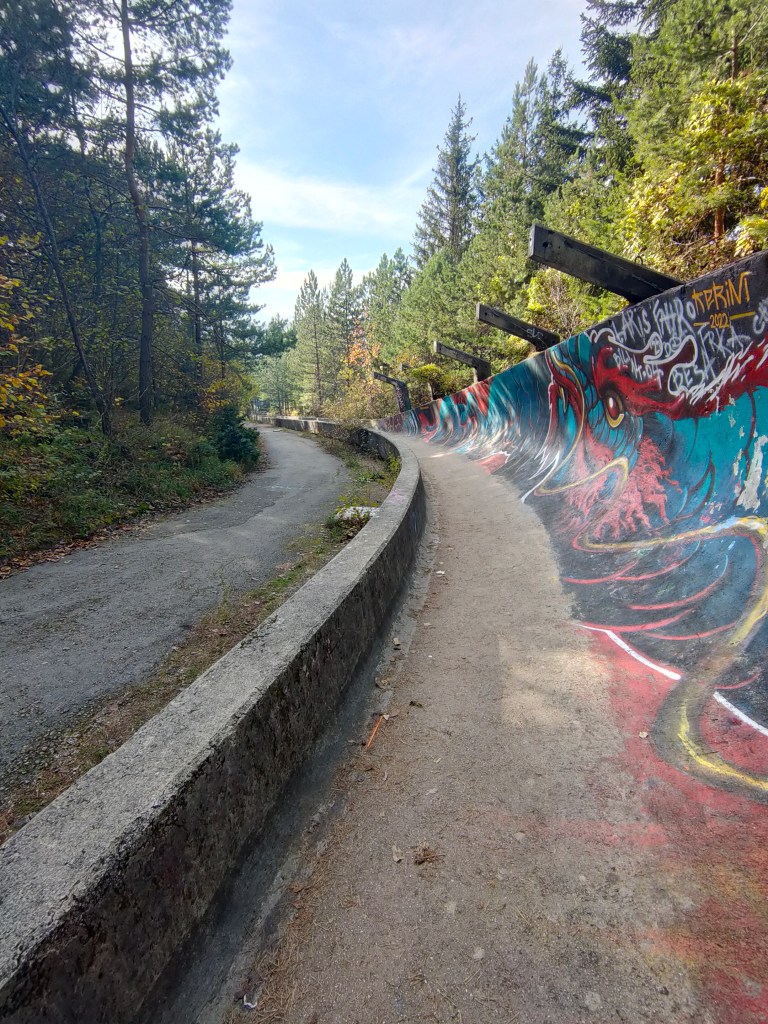

1452 days siege, during this time 11,541 citizens of Sarajevo died, 1601 were children. Before the tunnel construction anyone who wanted to enter or leave the besieged city had to run across 450 metres long airport runway under sniper fire.
It took 300 people, 4 months and 4 days to dig the tunnel. Digging was done using picks and shovels and under candle light. On the night when the tunnel was completed about 12 tons of military material was transported through it to Sarajevo. It was 800 metres long, 1 metre wide and 1.6 metres high and became known as The Tunnel of Hope
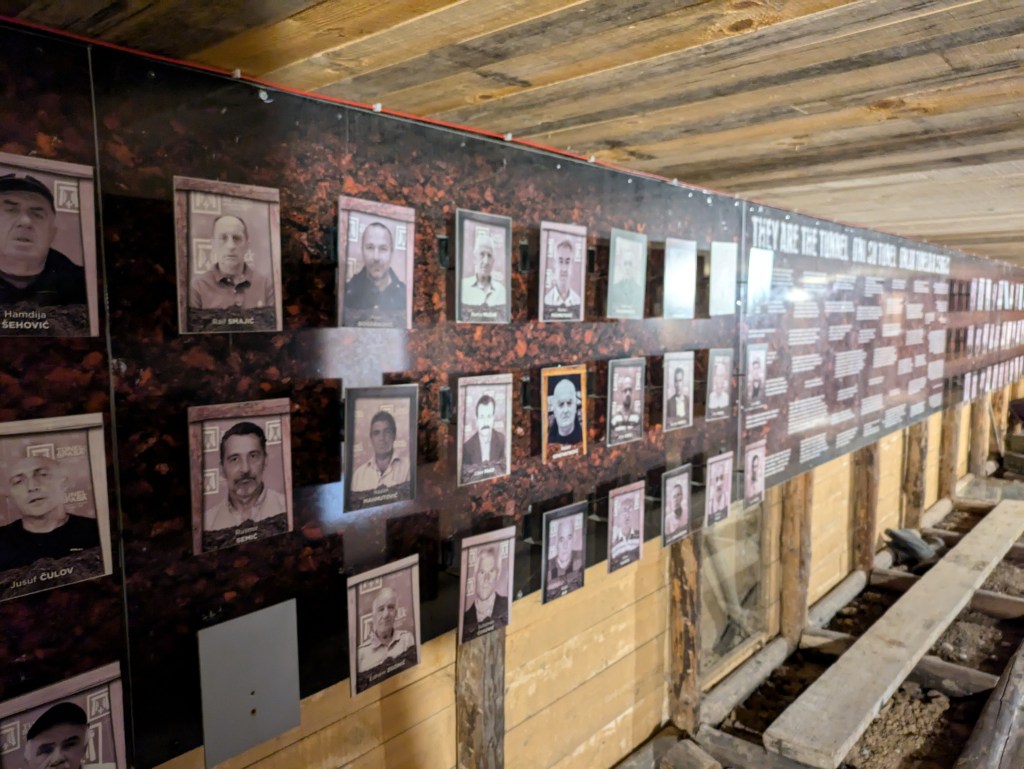

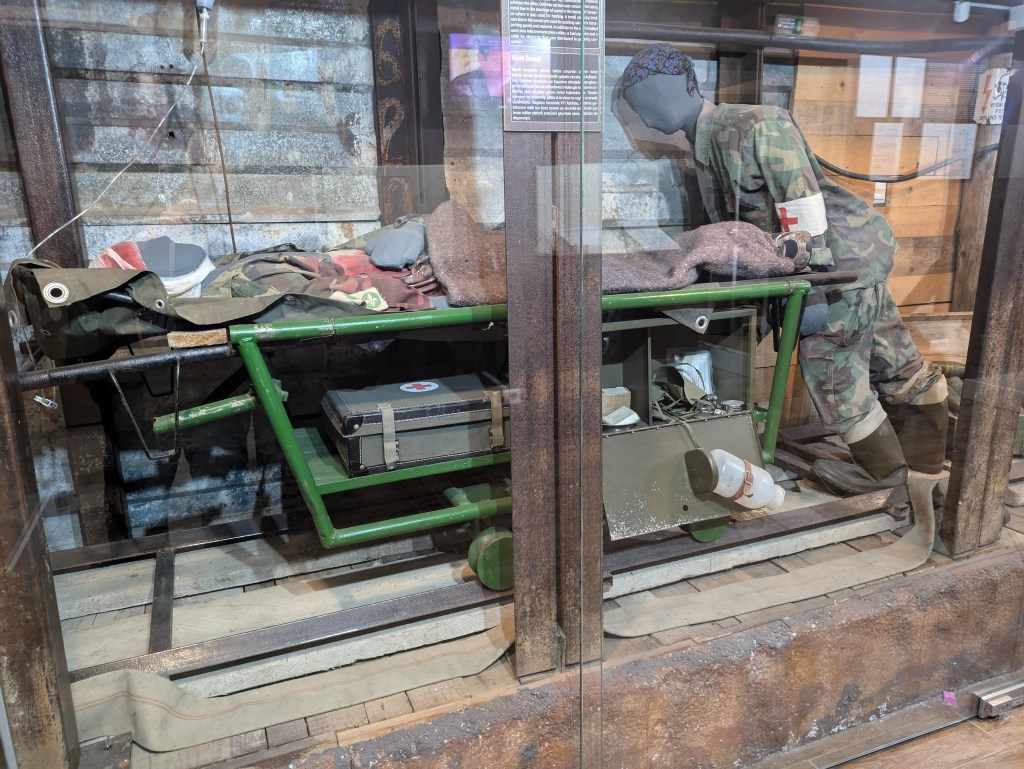
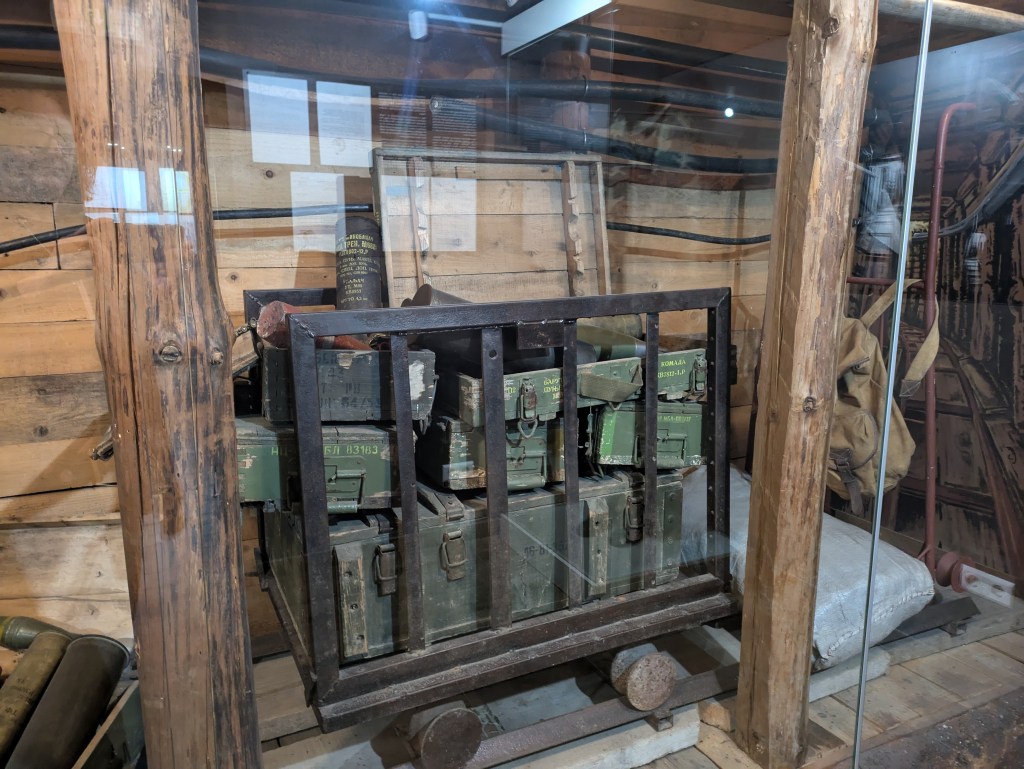
& much needed food and medicine.
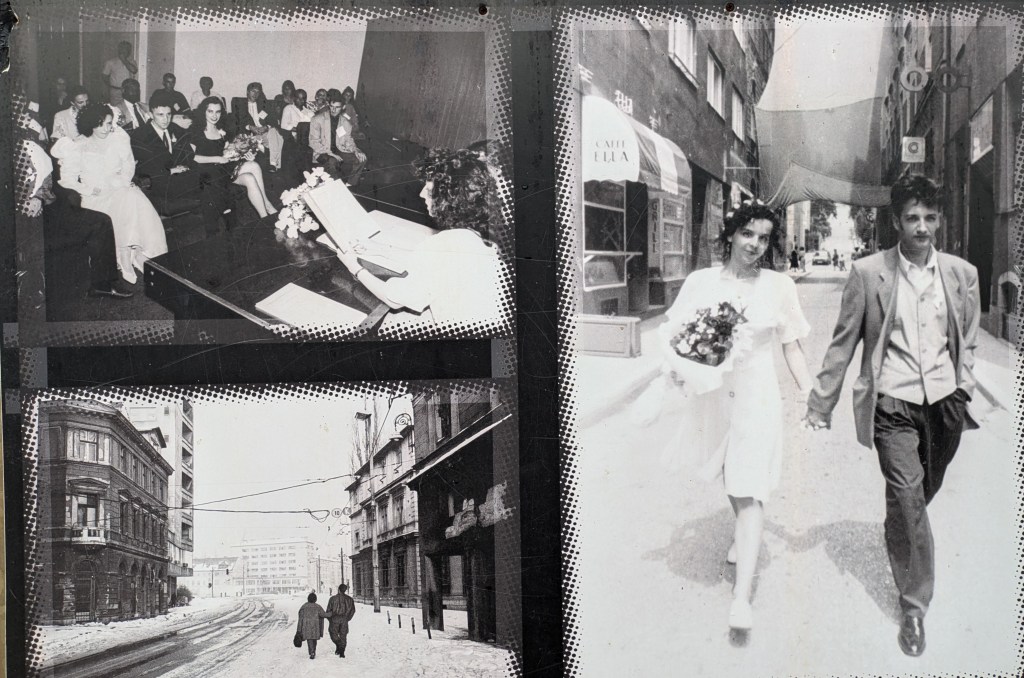


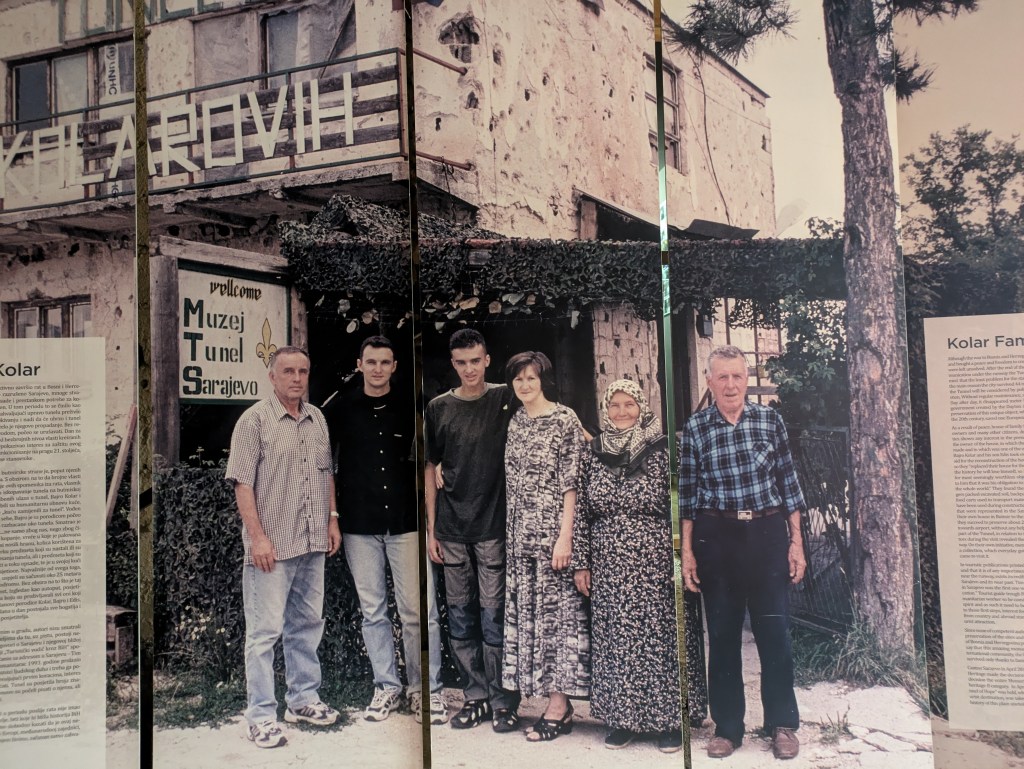

of the tunnel grew tired of waiting for the government to preseve the tunnel and
Bajro Kolar and his son Edris decided to do it themselves.
They were guided by the idea that if he who forgets the history he loses himself.
The Srebrenica genocide Jul 11, 1995 – Jul 22, 1995.
The Srebrenica memorial and gravesite remembers the slaying of 8,372 Bosniak (Bosnian Muslim) boys and men, perpetrated by Bosnian Serb forces in Srebrenica which at the time was included in Serb-held territory. We did not visit Srebrenica as decided we did not have the heart for it.
 Our life in Spain
We forget how lucky we are living safely here in Australia.
Love you travels and insight Dawn & Salvador.
Susie xx
LikeLike
Yes we are very lucky Susie
LikeLike