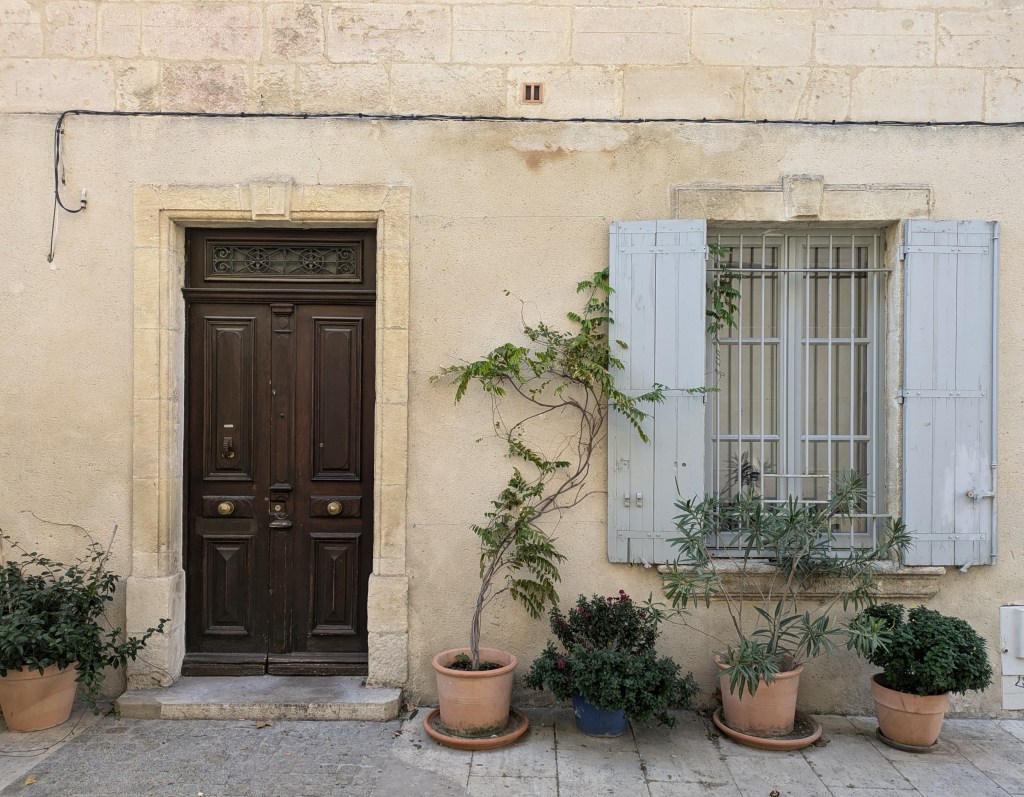
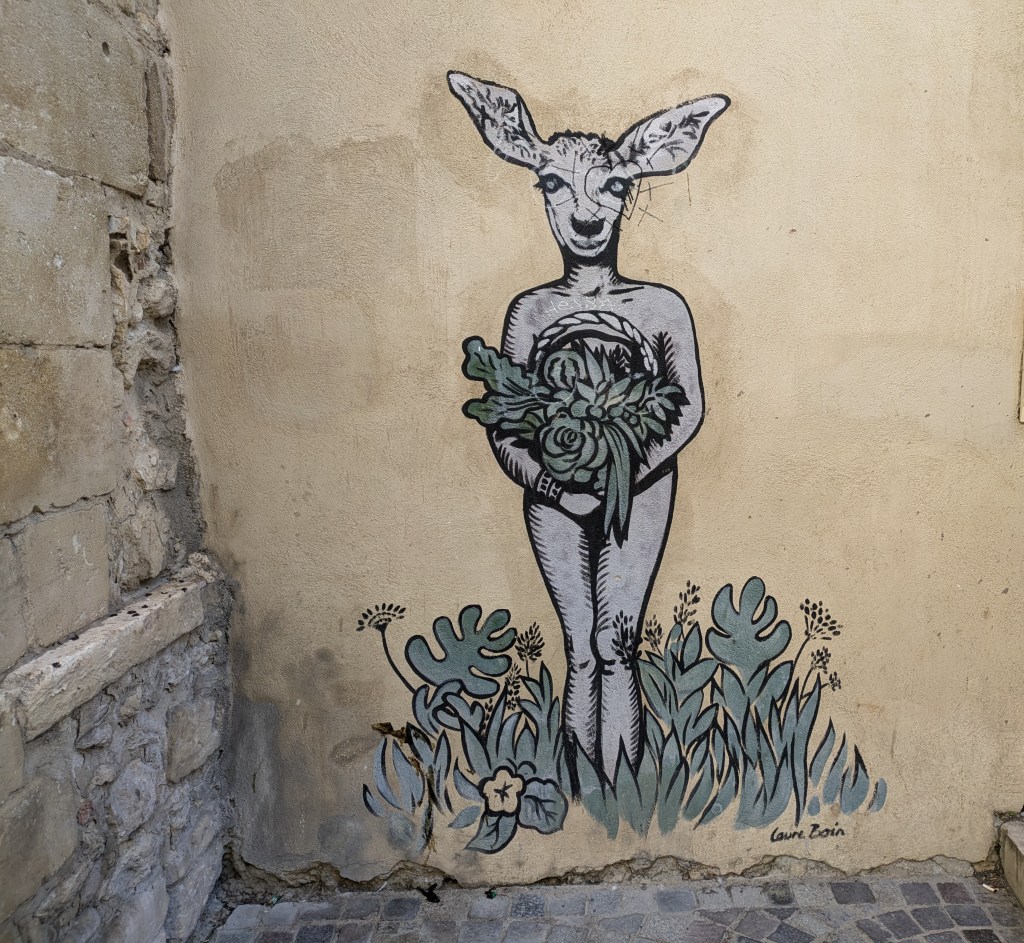
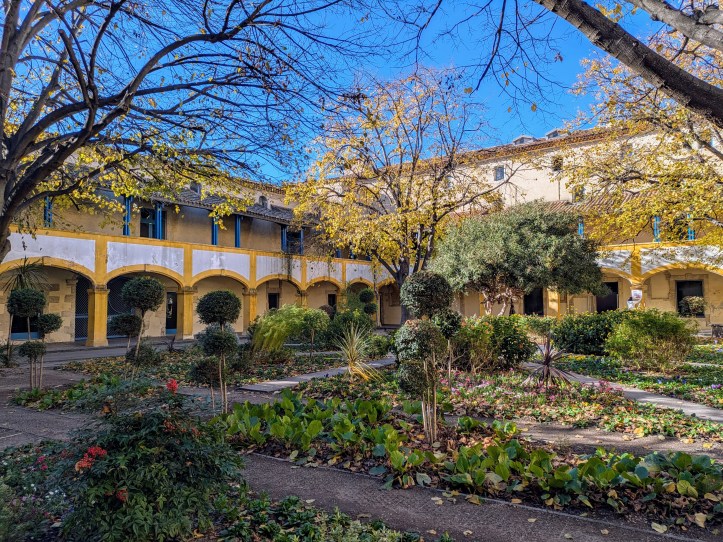
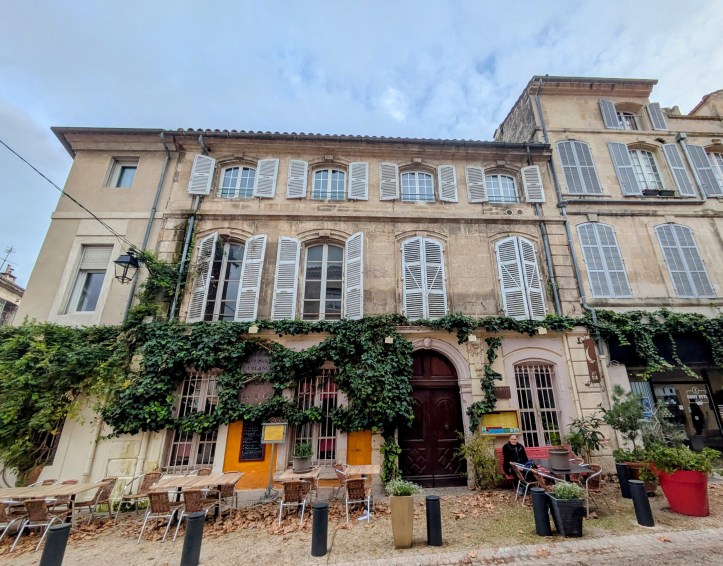
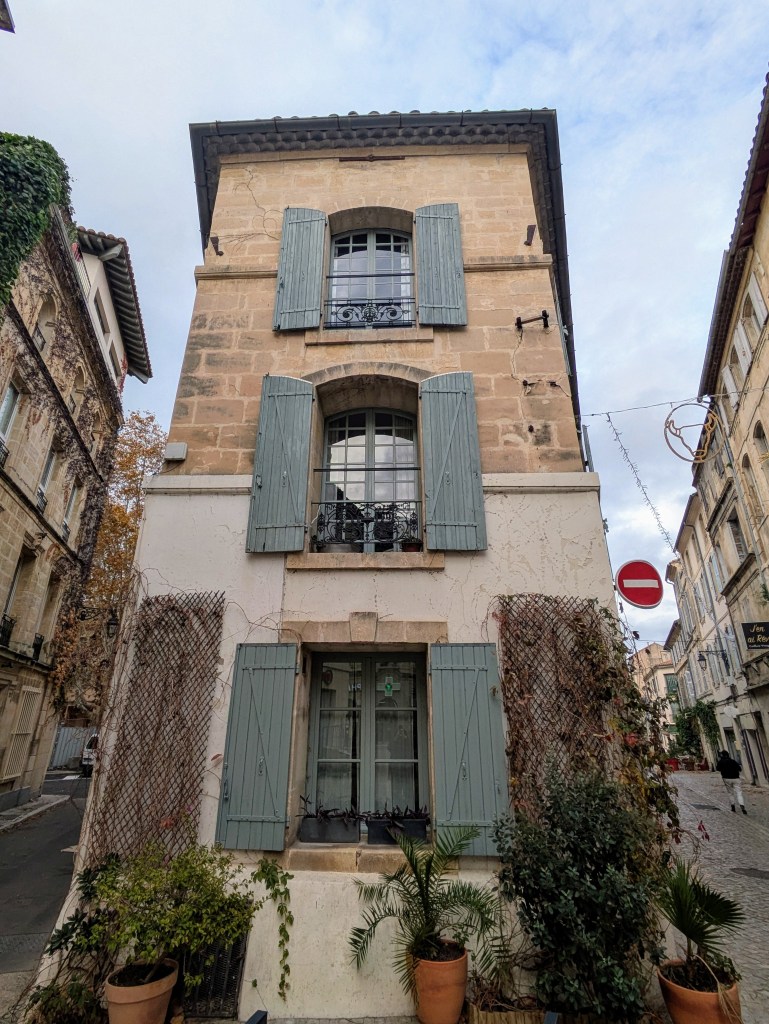
Leaving Italy, we arrived in the beautiful city of Arles, located in Provence, France. It was a lovely city to be based in to explore the region. It is most famous for both its Roman amphitheatre and the fact that Vincent Van Gogh called it home in 1888 for 1 year, and some of his paintings were of Arles and the surrounding area.
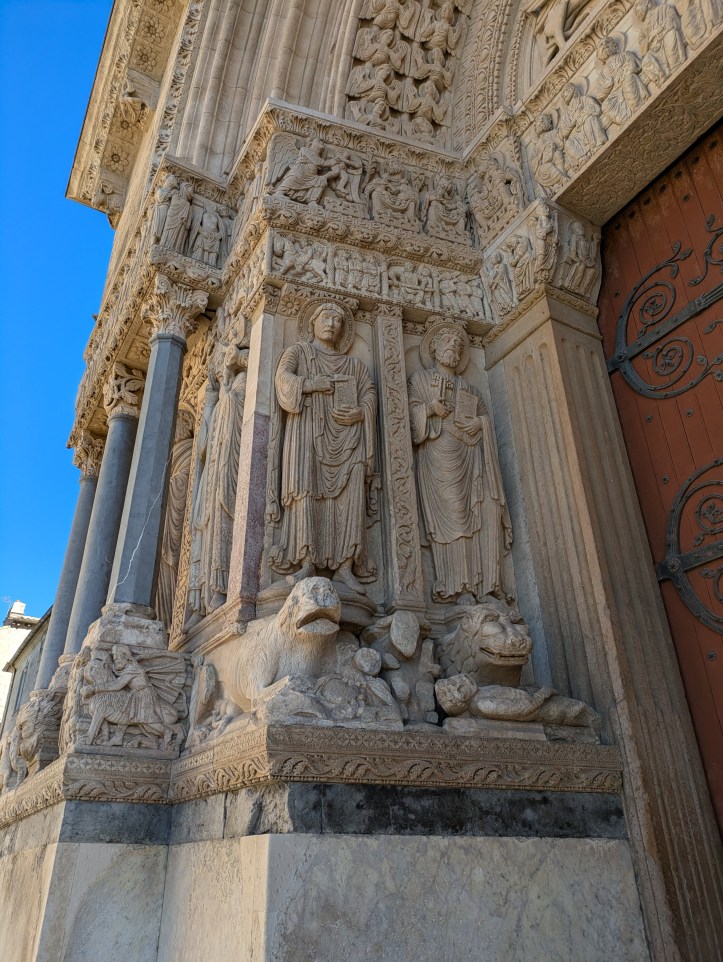
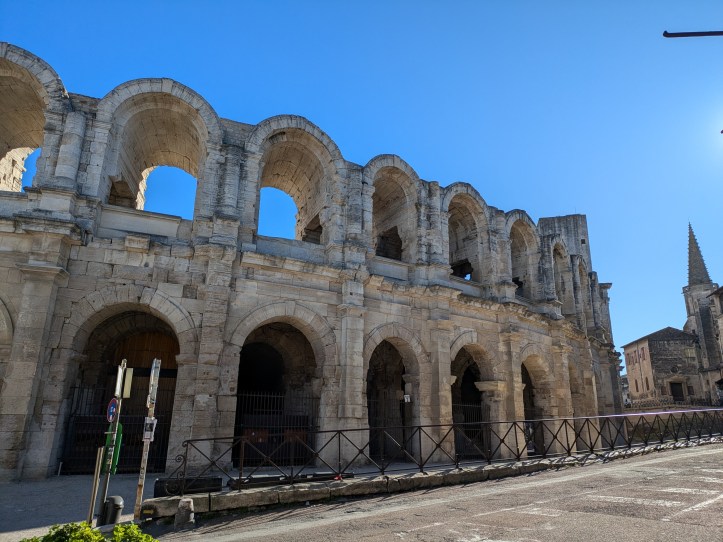
bloody hand-to-hand battles.
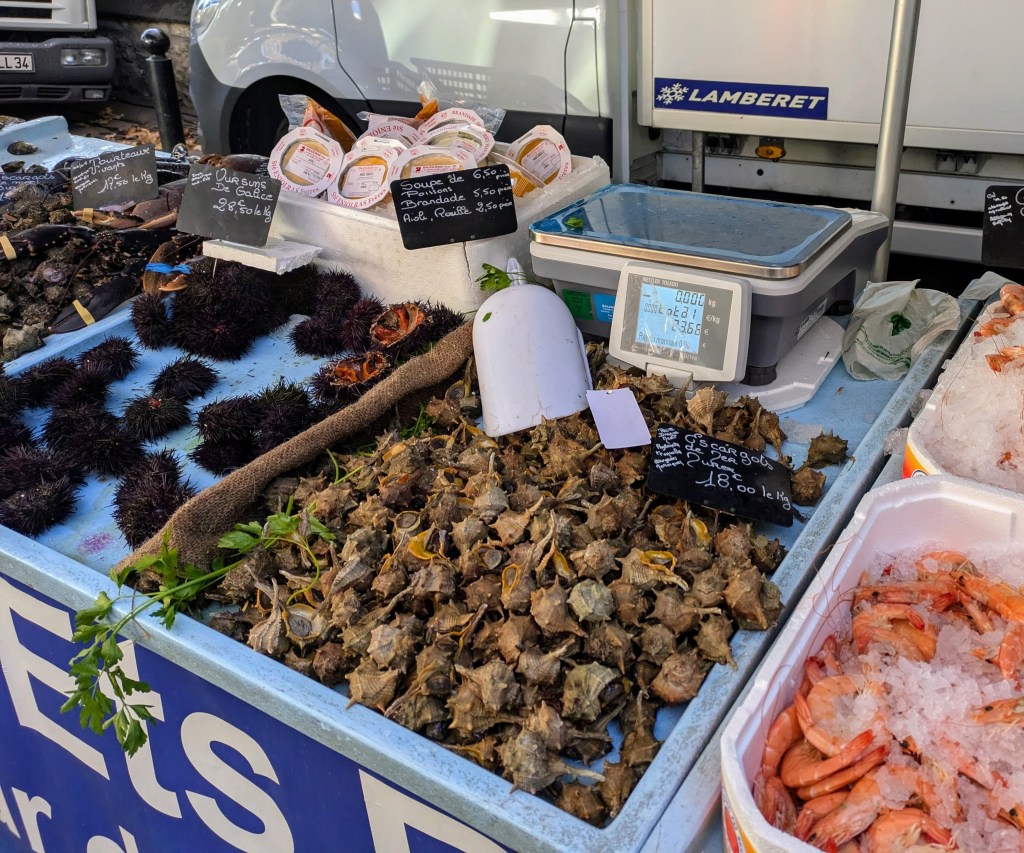
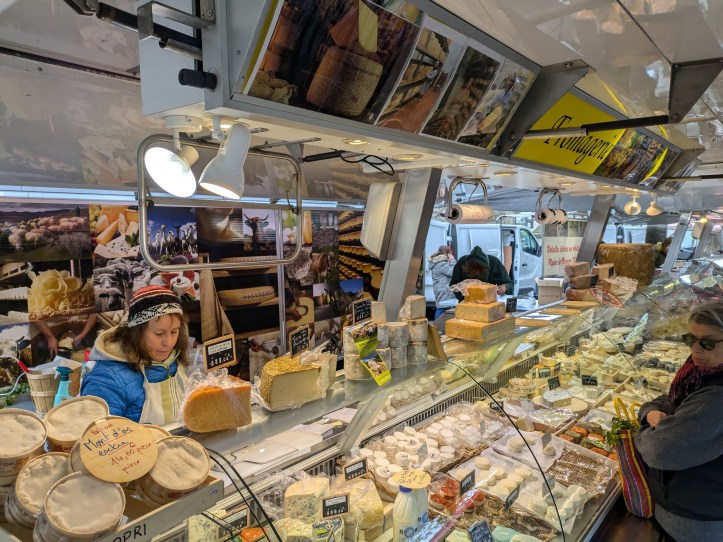
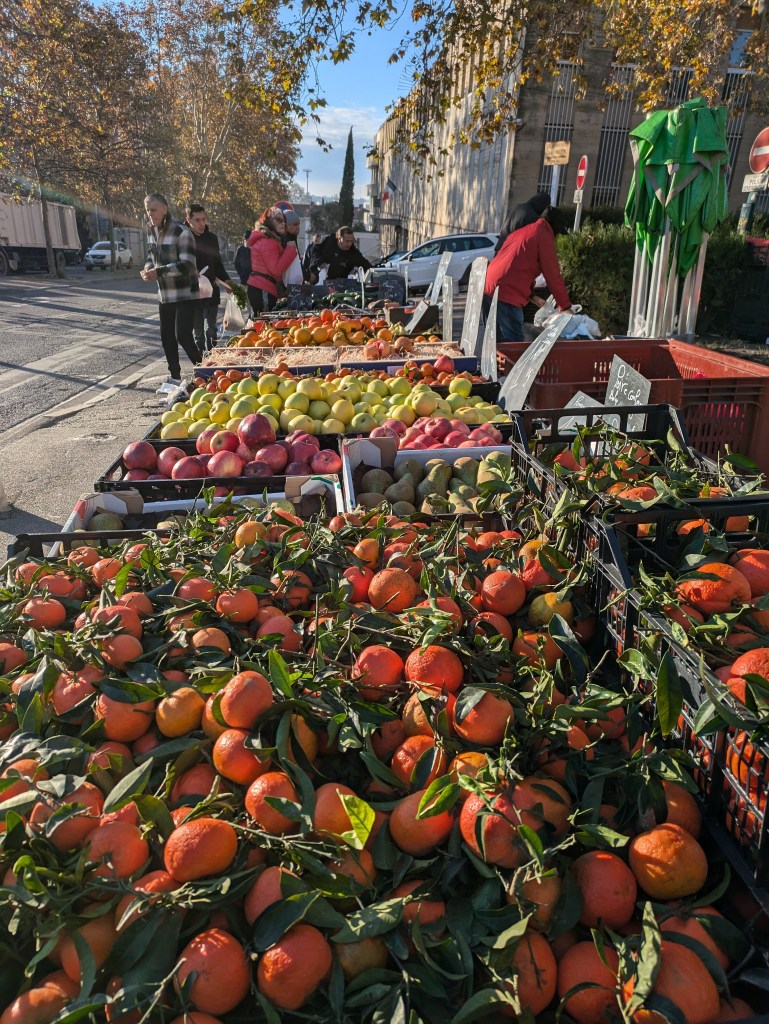
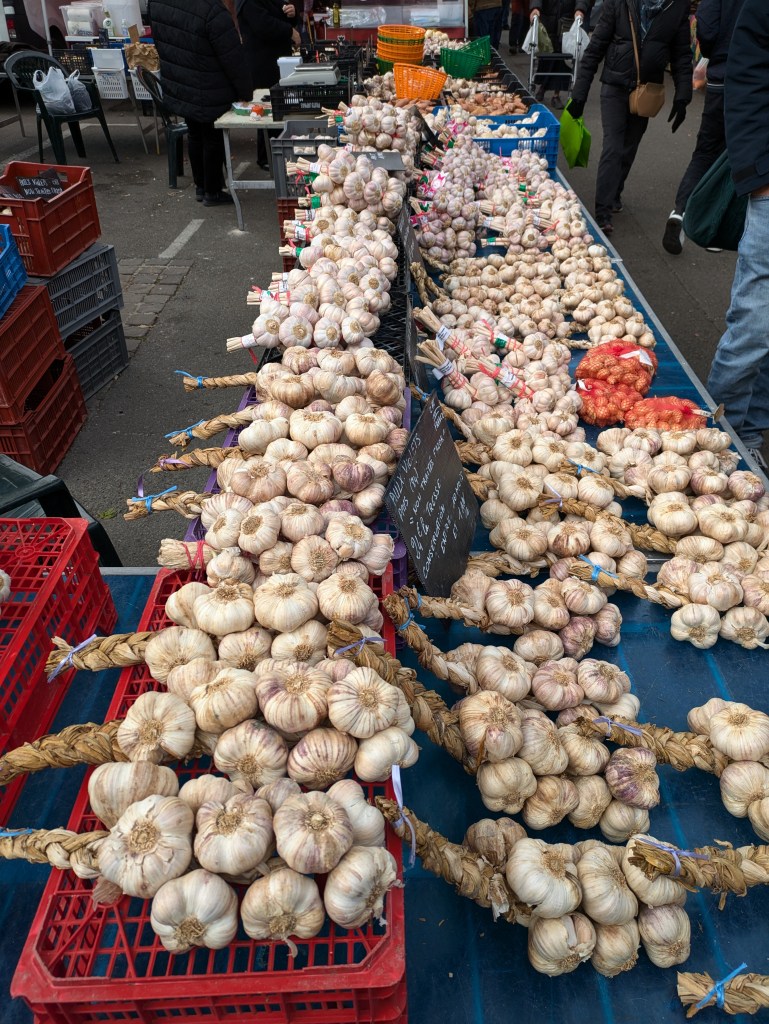
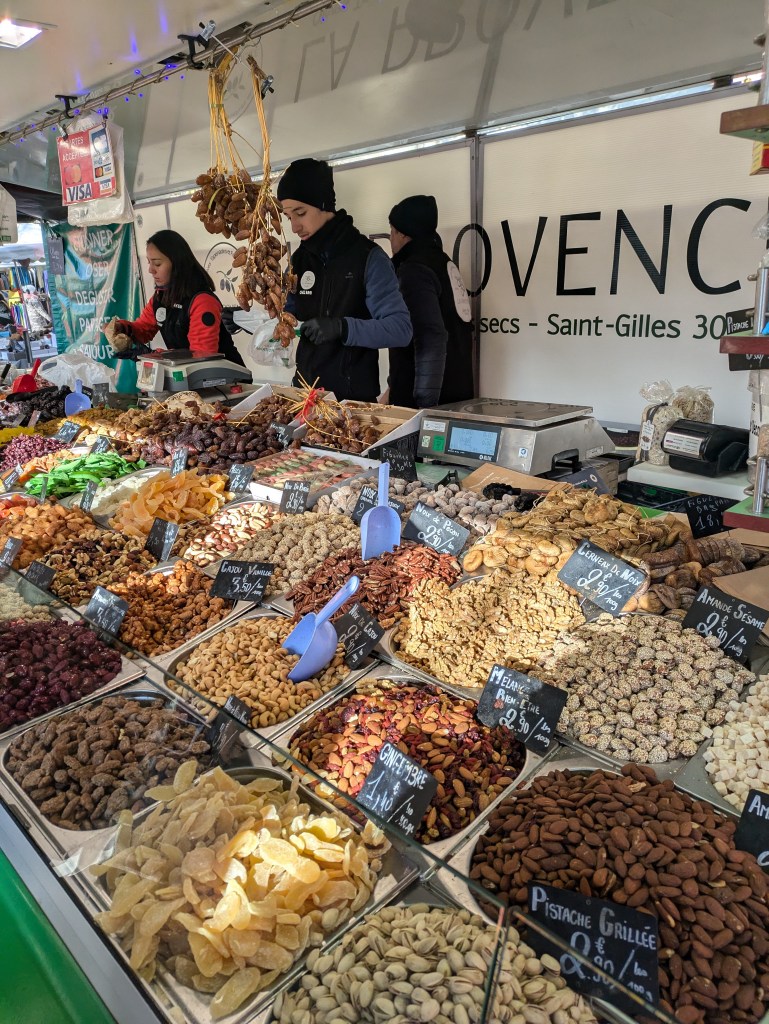
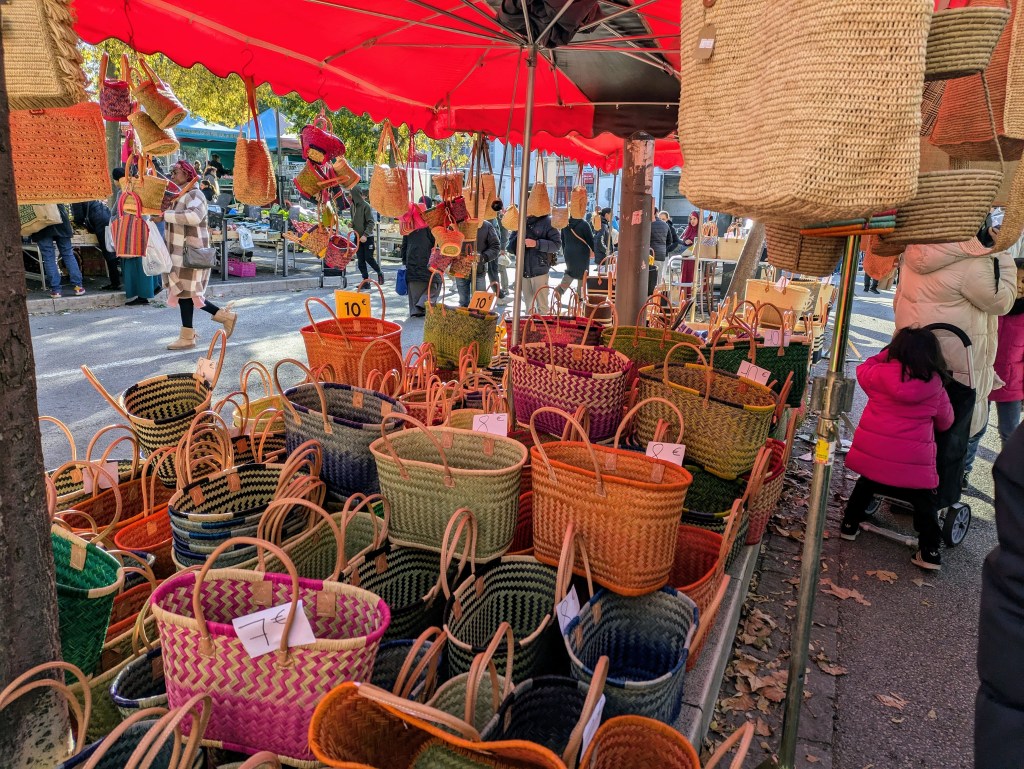
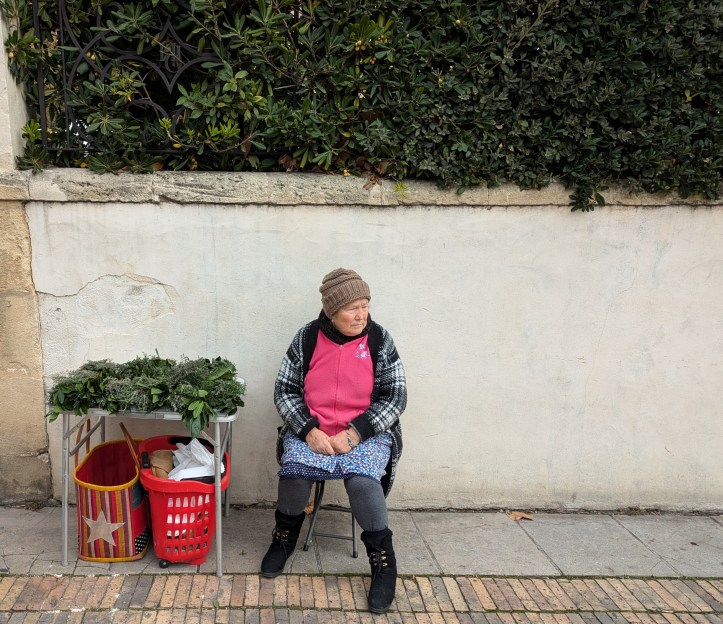
The Arles market is one of the biggest in Provence, stretching 2 km along Boulevard des Lices in the city. It was one of the best we had been to. The variety and quality of produce were amazing, and we loved every minute of it.
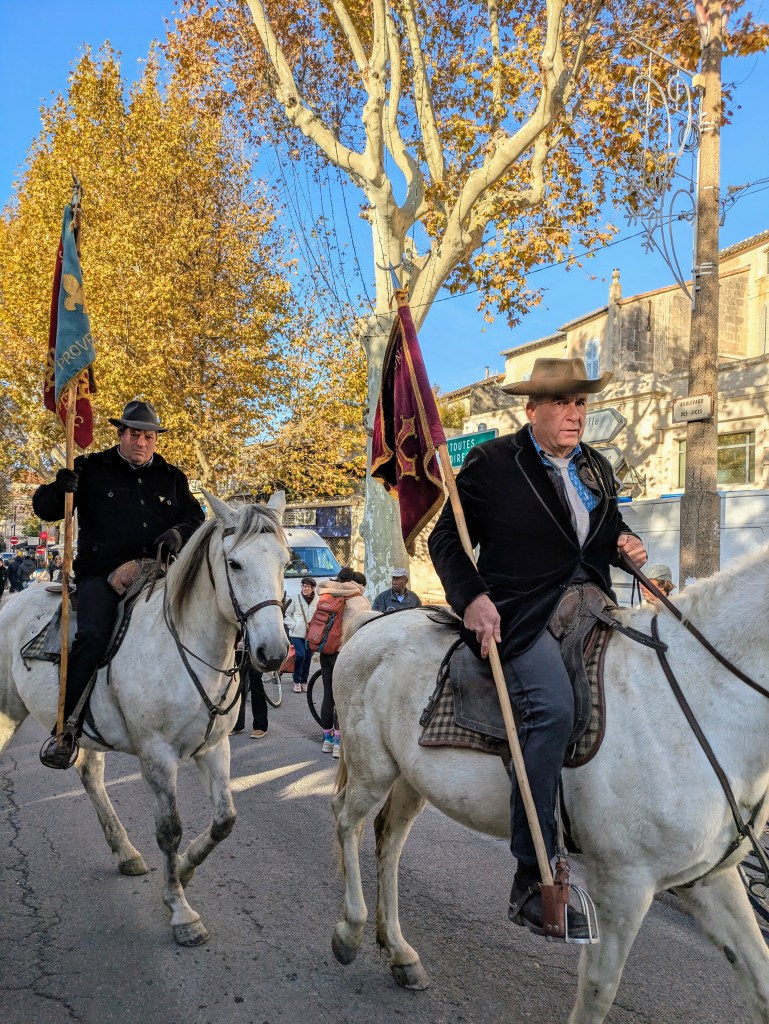
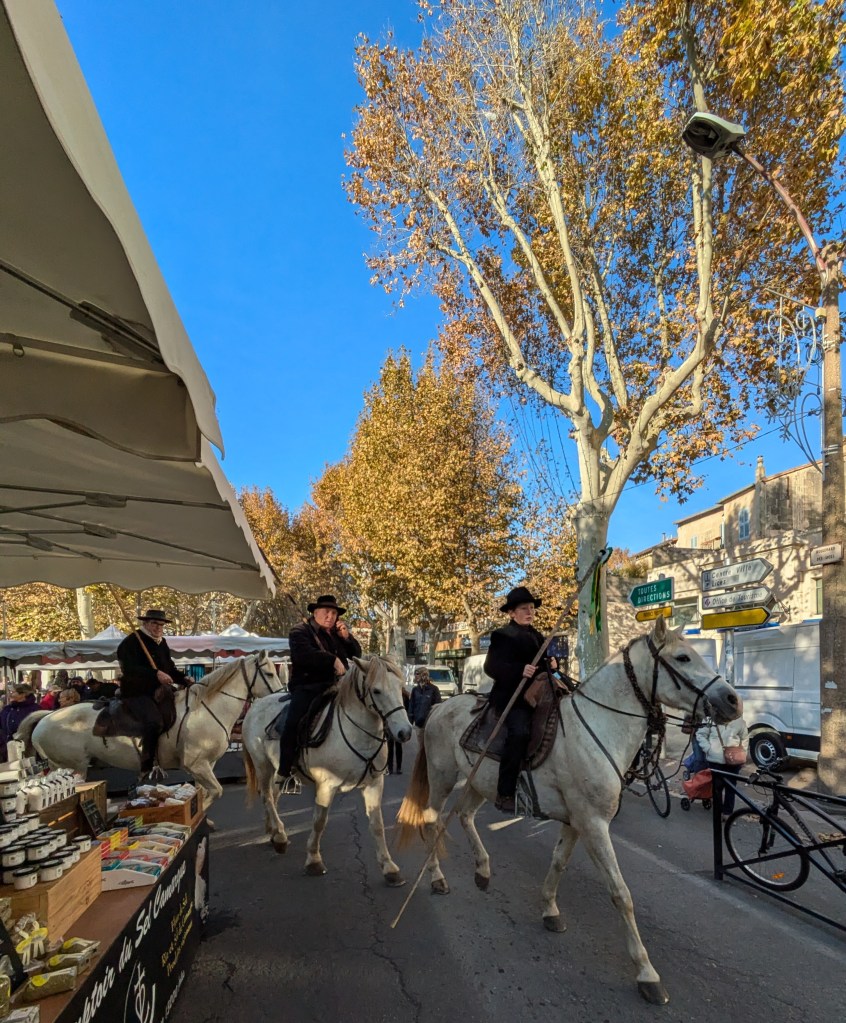
These guys rode through the market, the white horses are from the Carmargue region.
Camargue National Park & Saintes-Maries-de-la-Mer – we could be in Spain.
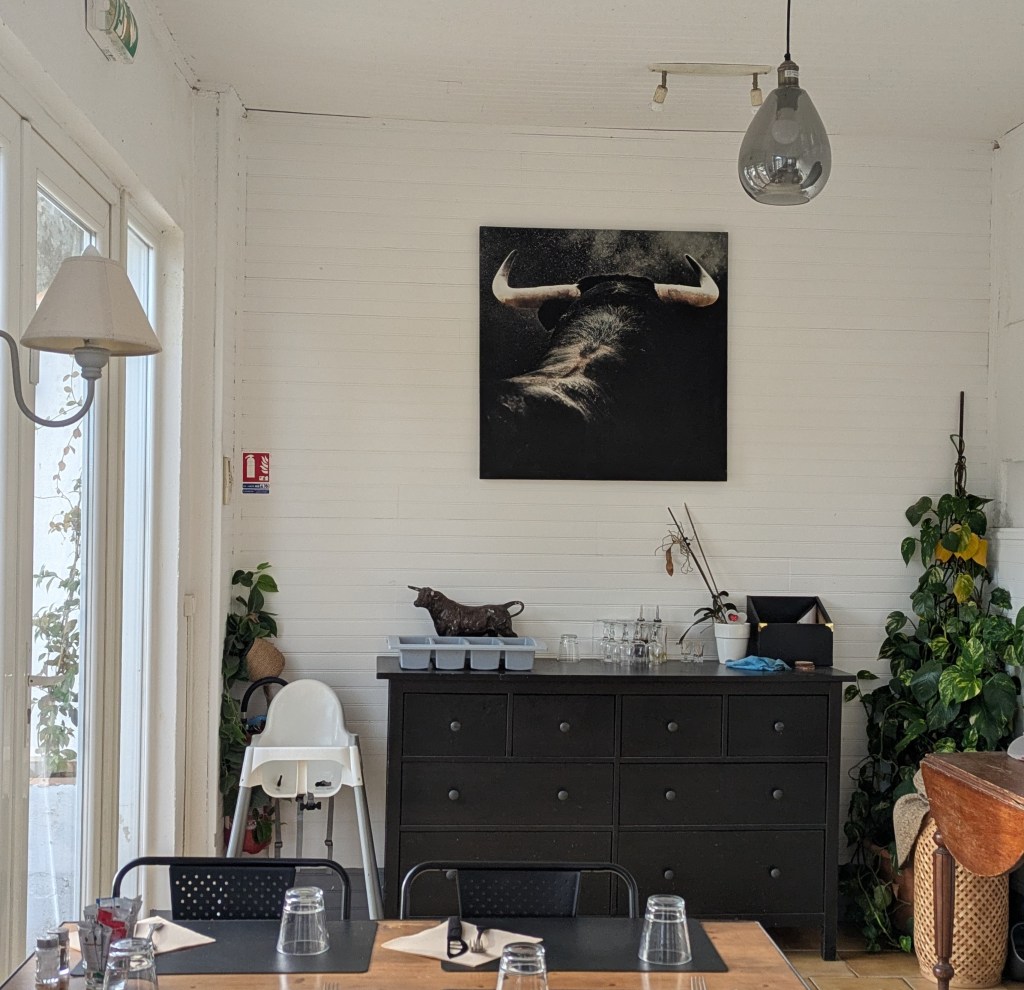
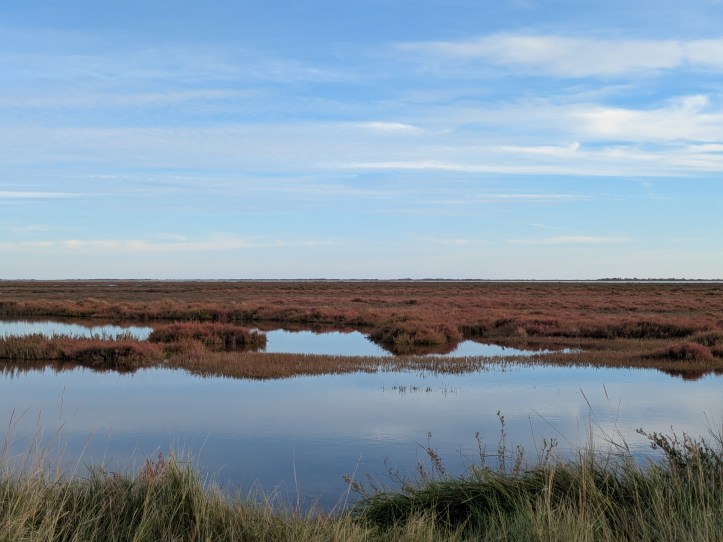
We drove to the Camargue National Park, which is famous for its salt lakes, bulls, white horses, and flamingos. It’s a beautiful region, and the town of Saintes-Maries-de-la-Mer reminded us of the south of Spain, complete with bullfighting rings.
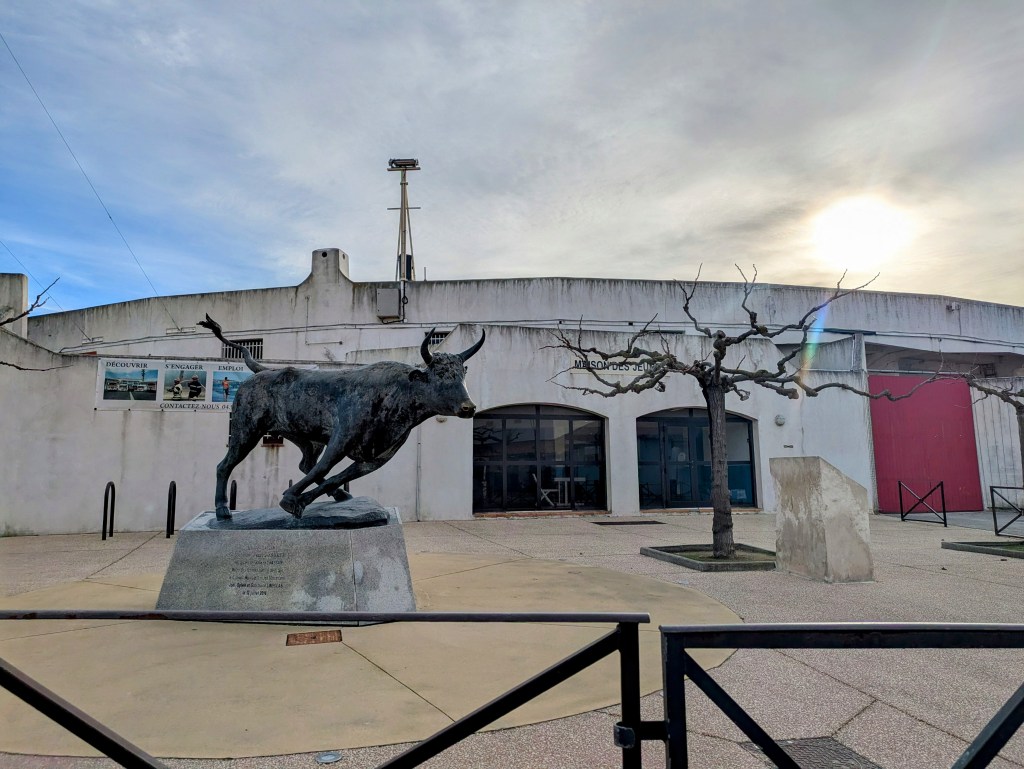
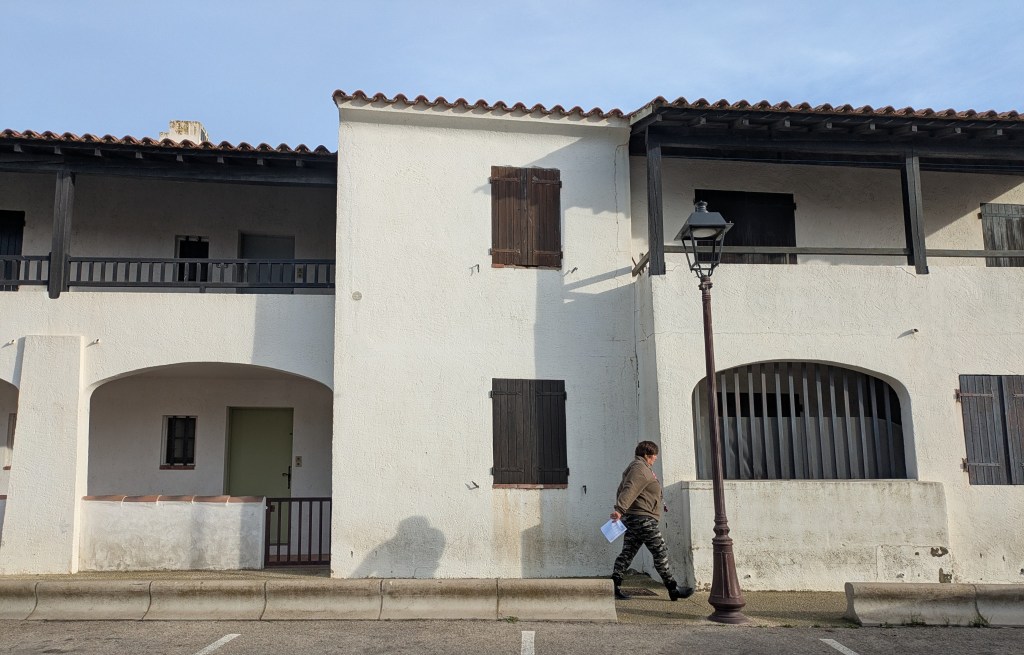
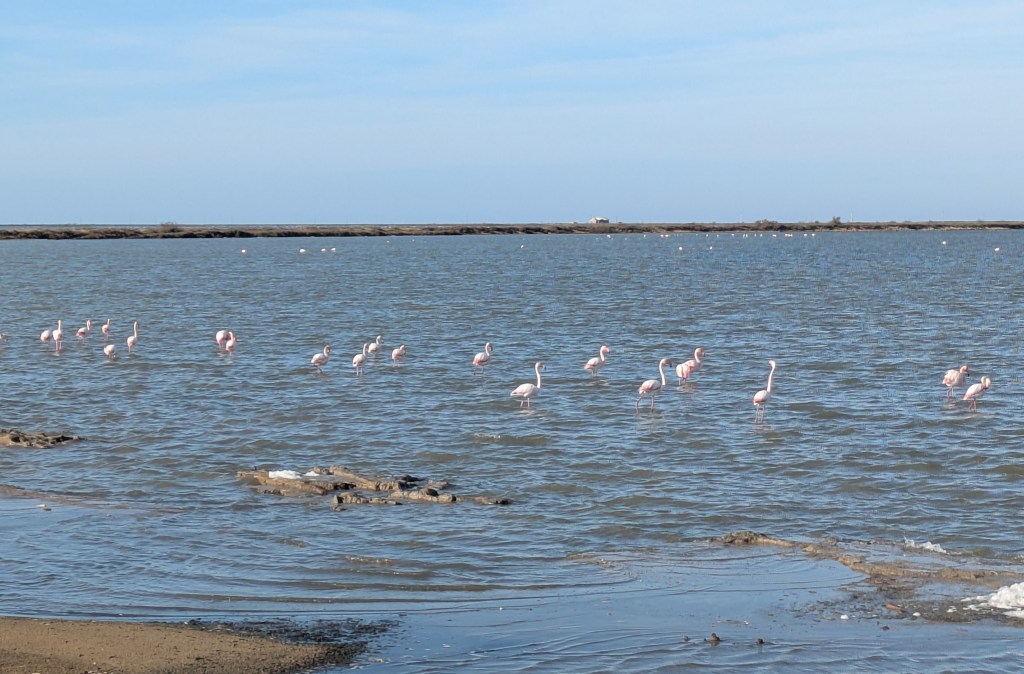
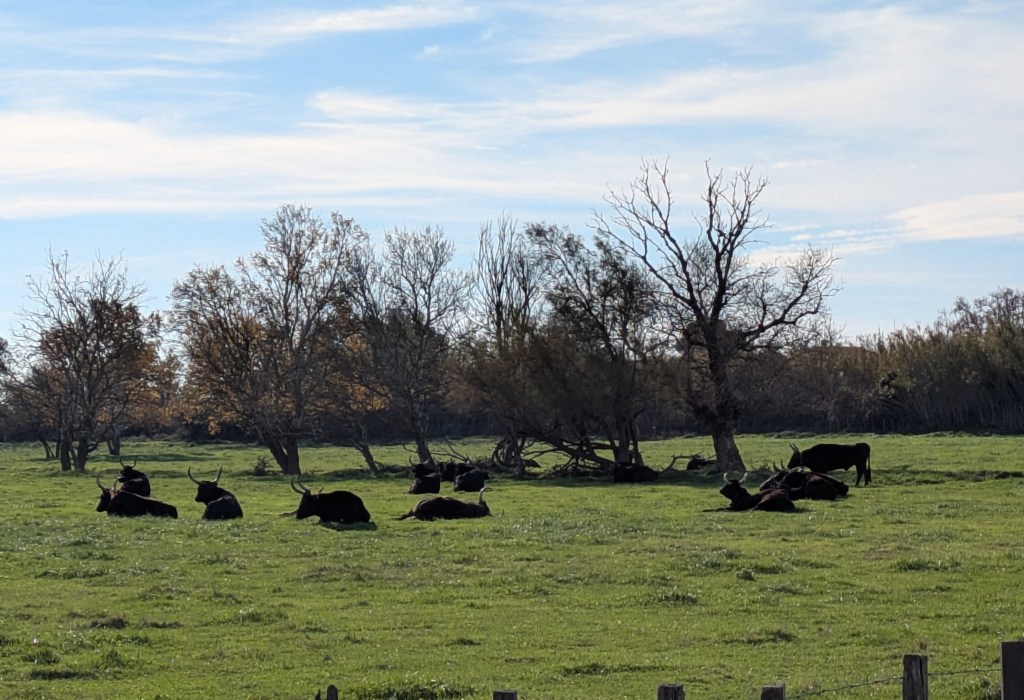
We drove out to the salt lakes and then to the coast, hoping to catch sight of the flamingos on the way. We found a few, and then once at the coast, discovered it was a popular spot for fishermen.
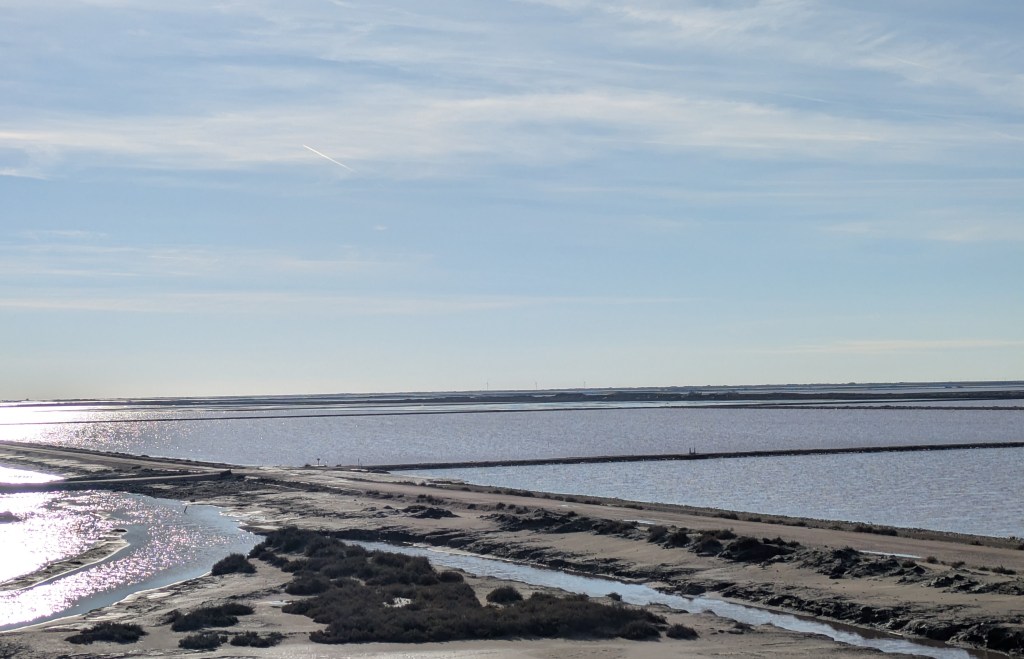
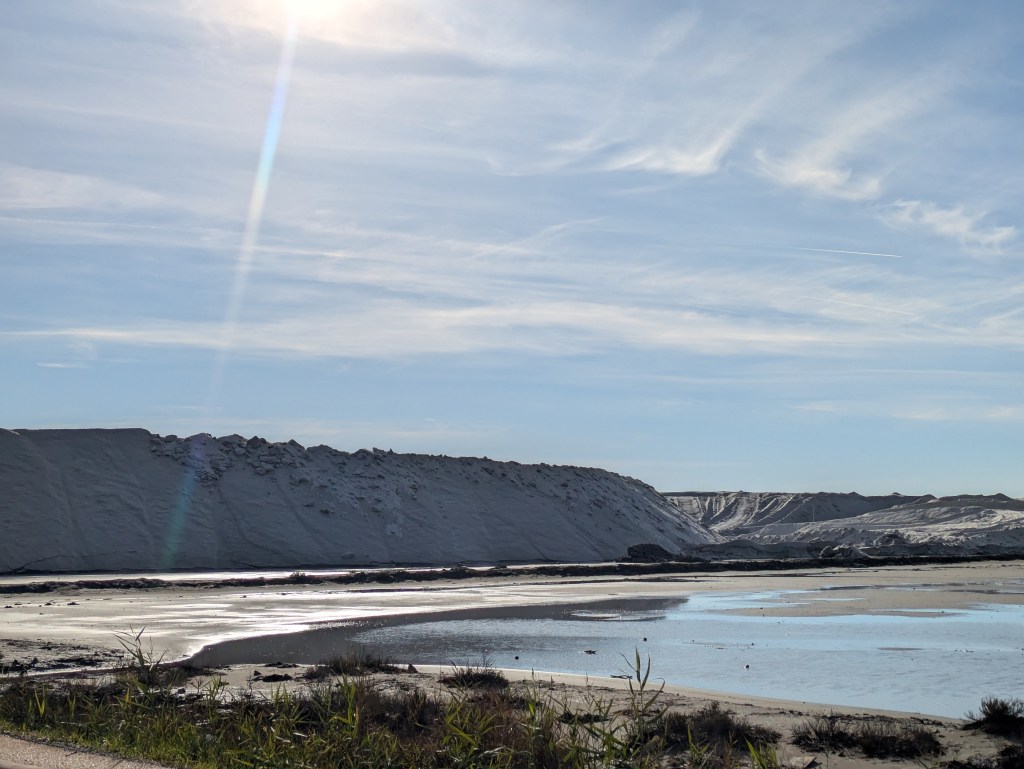
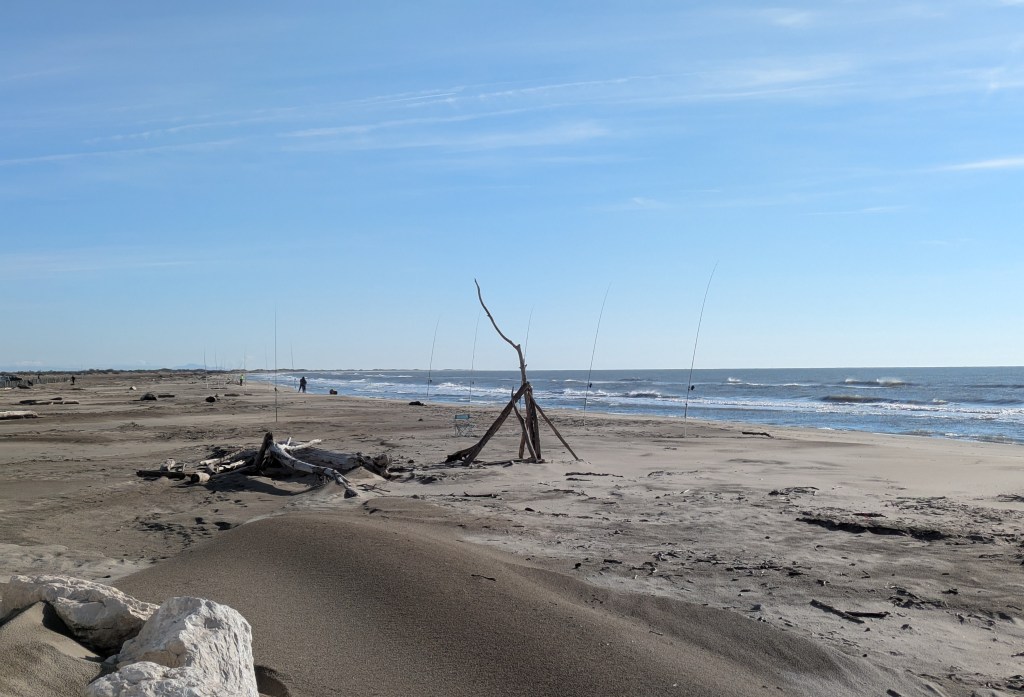
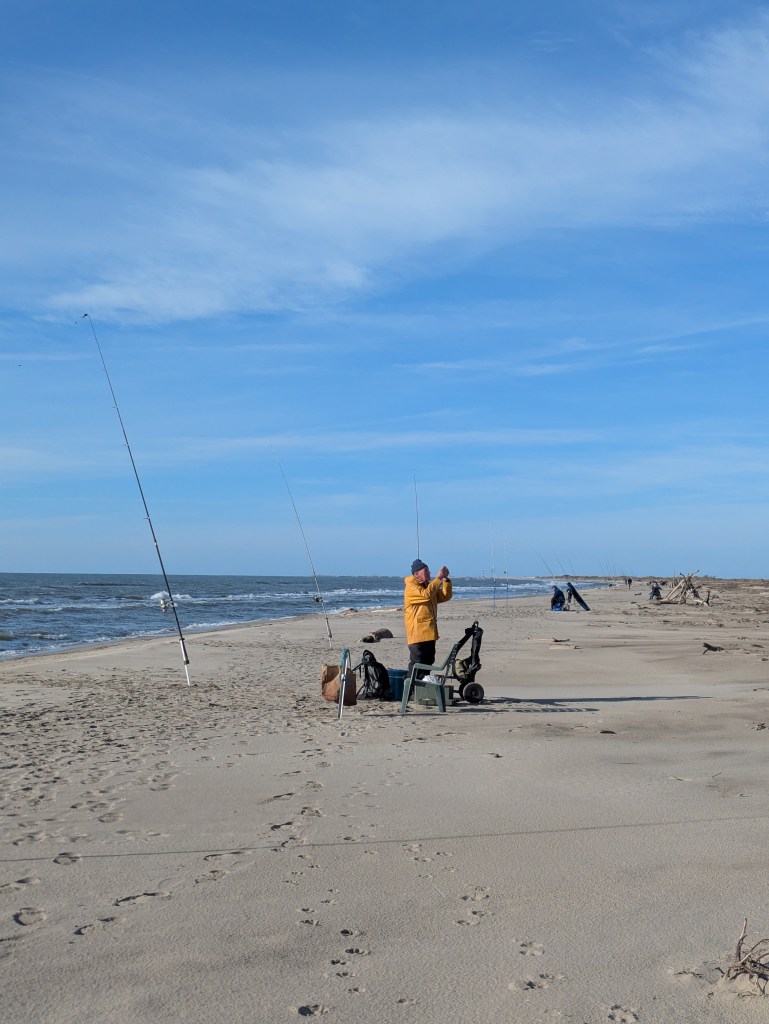
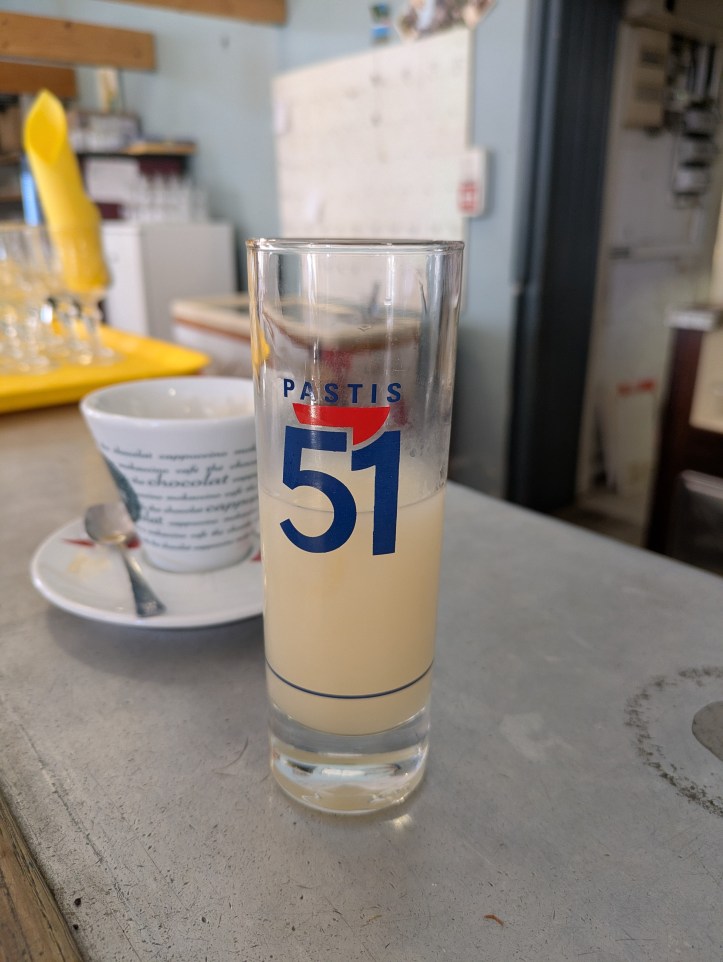
On the way back we stopped at a local bar for a coffee and also to try the local liquor for this region, Pastis, an anise-flavoured spirit and apéritif, typically containing less than 100 g/L sugar and 40–45% alcohol. It is served with a little water and ice, and I really liked it; it was very refreshing. It was a great bar, and we had a wonderful conversation with the young bartender whose family is originally from Greece but settled there a few generations ago to work in the salt lakes.
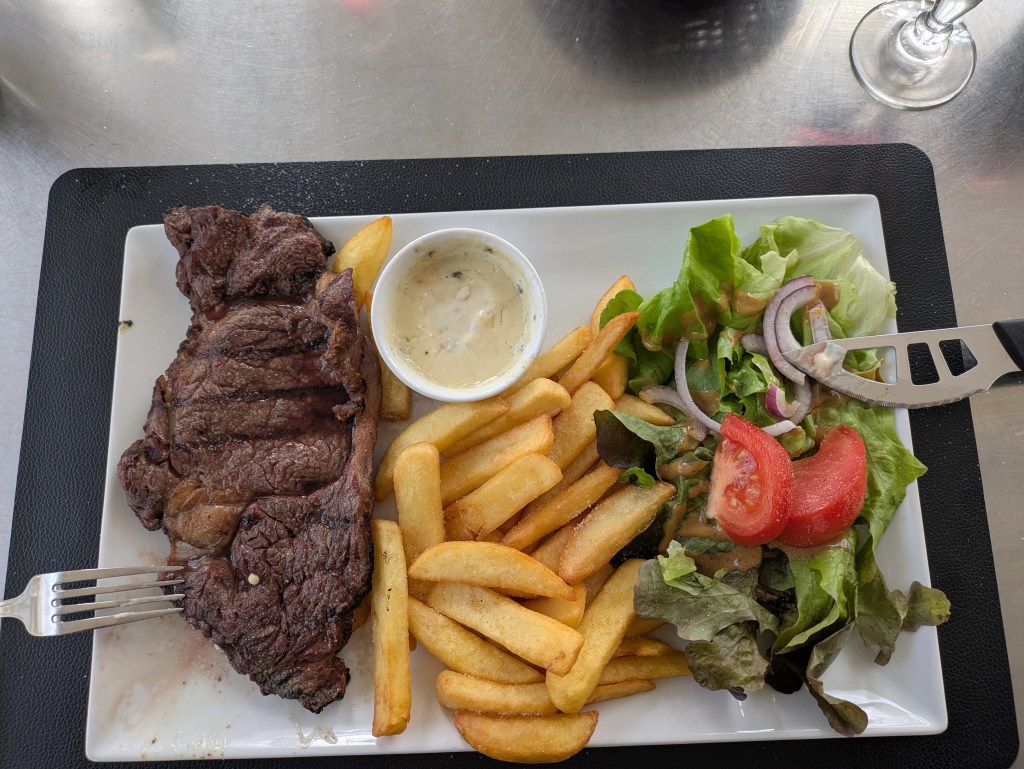
We found a lovely local restaurnant for lunch – simple but very good – entrecote of course from the local Camargue beef.
The fabulous Roman Pont du Gard and the quintessential Provence village of Saint-Rémy-de-Provence.
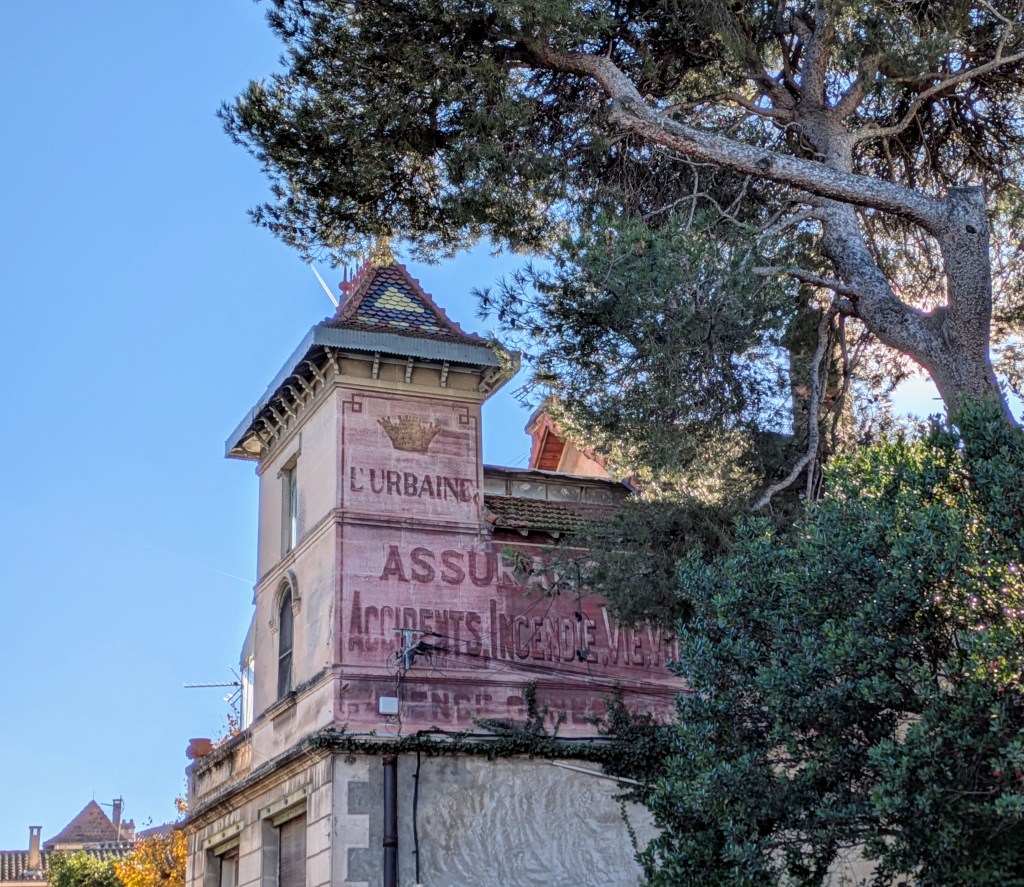
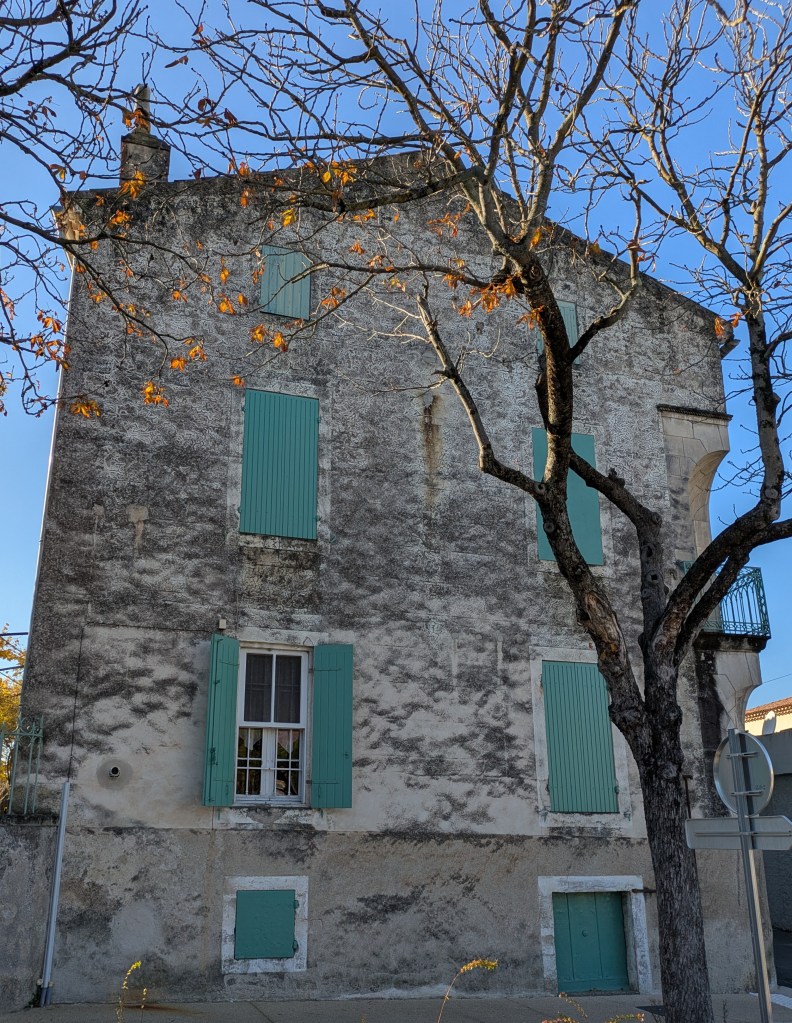
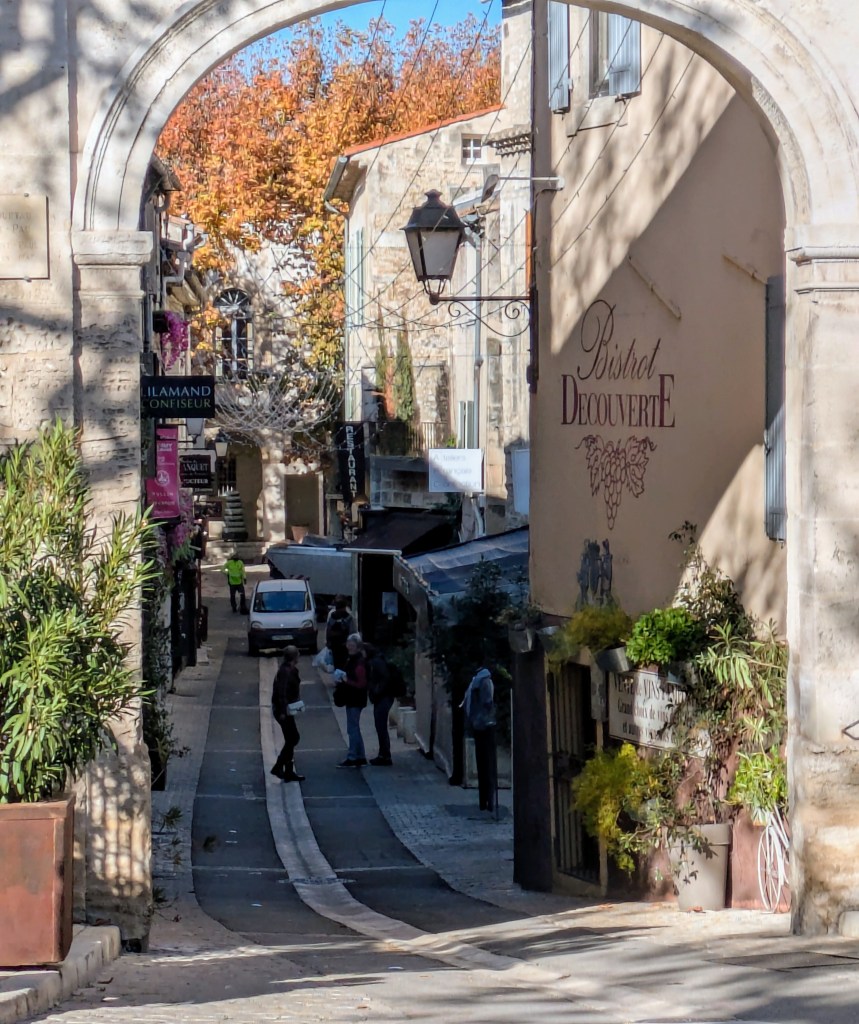
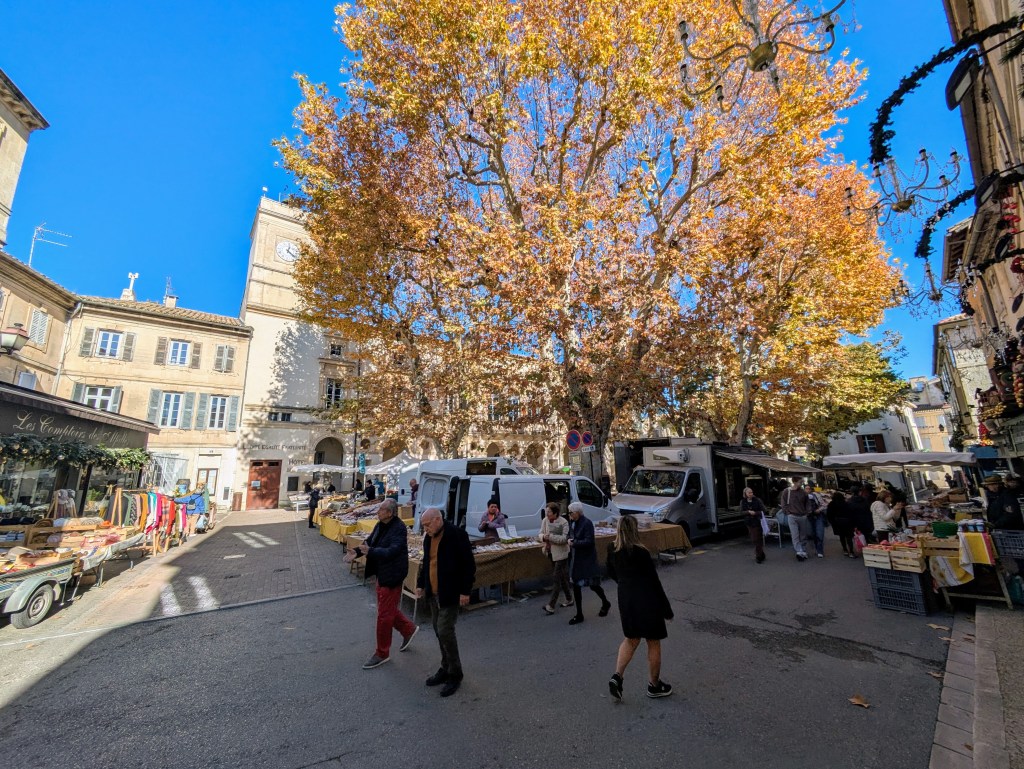
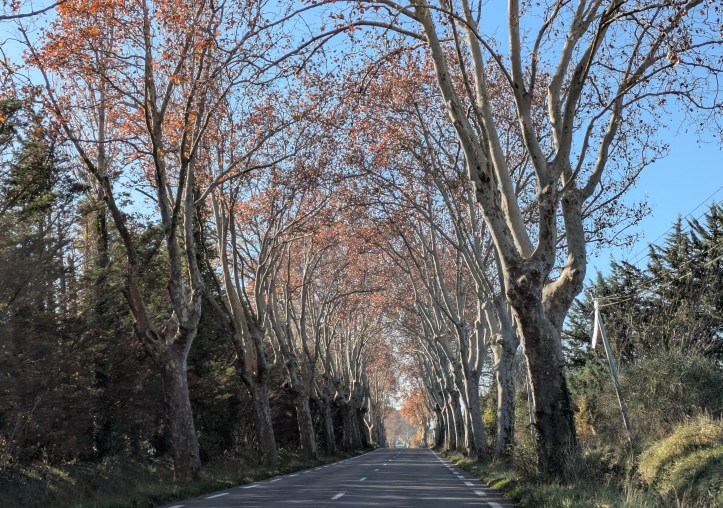
Many of the smaller villages nearby are on the typical tourist route of Provence to Avignon and Aix-en-Provence. We decided to just visit one, the village Saint-Rémy-de-Provence on our way to the nearby Roman Pont du Gard.
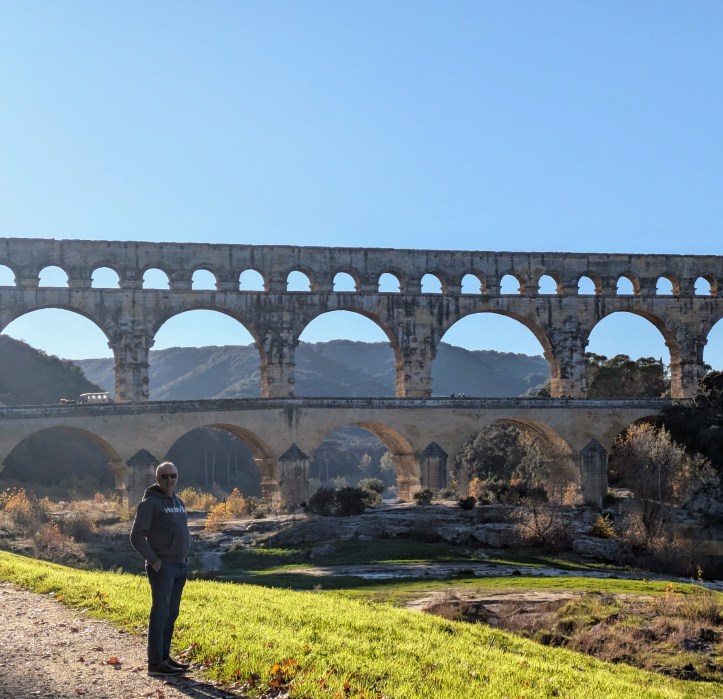
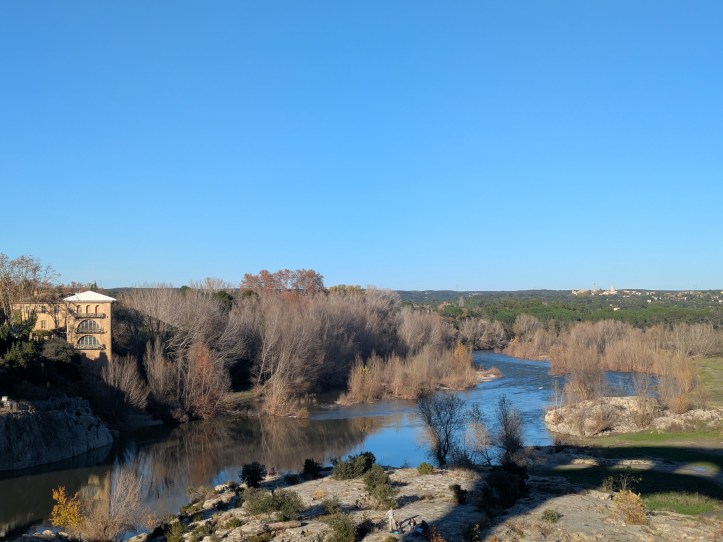
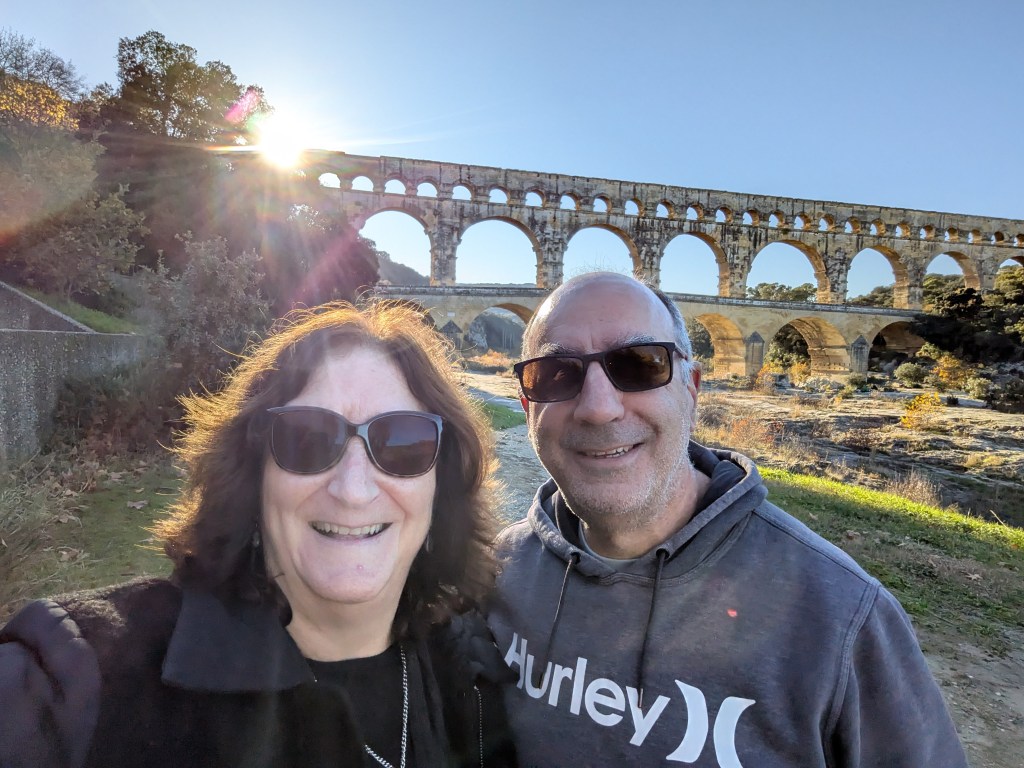
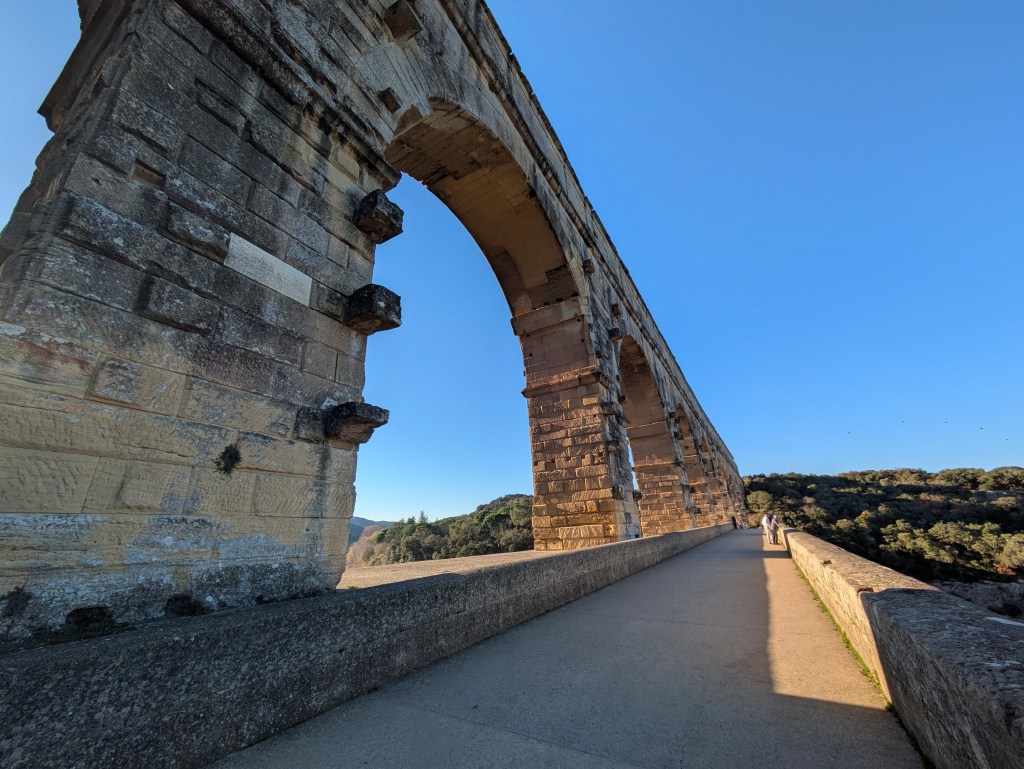
The Roman Pont du Gard – Bridge in Vers-Pont-du-Gard, France. The Pont du Gard is an ancient Roman aqueduct bridge built in the first century AD (60 AD) and is one of the best-preserved Roman aqueduct bridges. It stands 48.8 m high and formerly carried an estimated 40,000 m³ of water a day over 50 km (31 mi) to the fountains, baths, and homes of the Roman colony of Nemausus (now known as Nîmes). It was pretty amazing to visit, and it was a beautiful region.
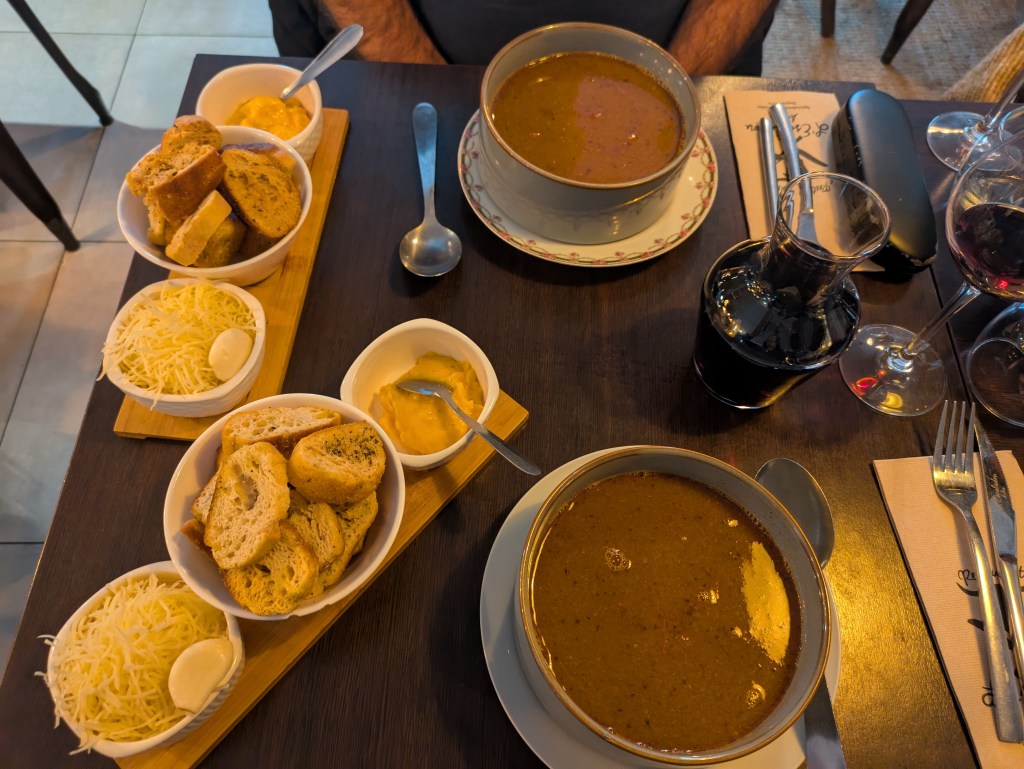
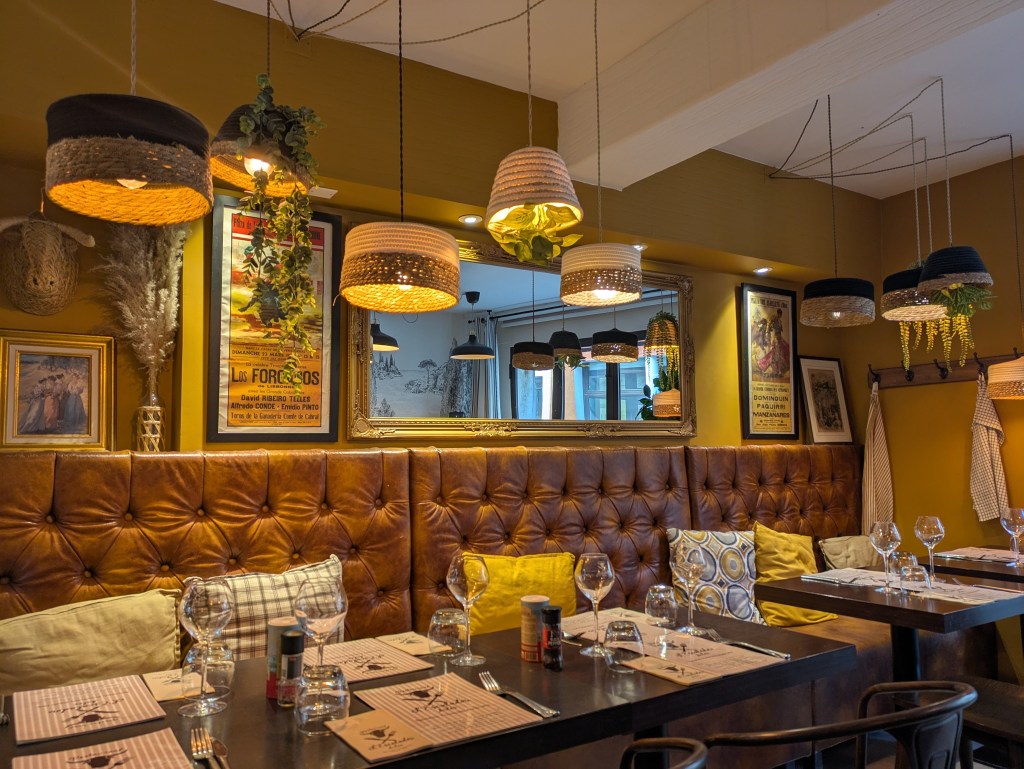
On our final day we decided to eat at the local Provence restaurant L’escaladou. It was a lovely meal, with the highlight being the delicious la soupe de poisson (fish soup) served with cheese, aioli, and croutons as an entrée in a meal of the day similar to the menu del dia in Spain but not as good value. We did not try the bouillabaisse, which this whole region, especially Marseille, is famous for, as it usually has to be pre-ordered and is quite expensive.
We loved our time in France. The people were very friendly and it was a really lovely region to visit. We will be back!
 Our life in Spain
Great photo’s. You guys obviously saw a better part of France than us.
LikeLike
I’d sponsor you to travel ! Have loved where you’ve been and how you’ve described it/ shown it.
LikeLike
Just love France. We will be doing a month there by train next year… can’t wait and have been learning French for 225 days.
Safe travels home. Susie ❤️
LikeLiked by 1 person